
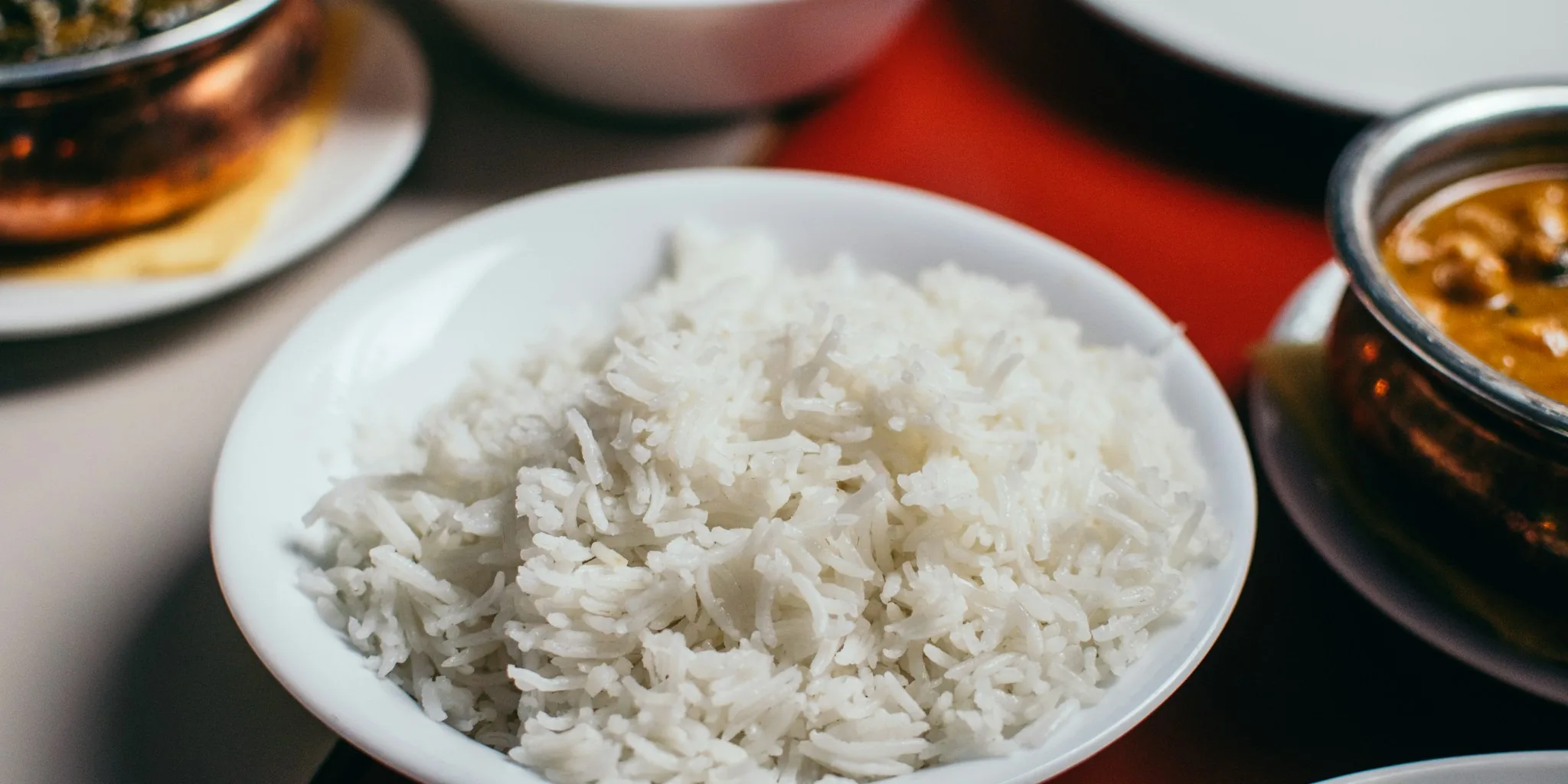

A rice cooker is one of the most dependable appliances you can add to your kitchen arsenal. Unlike stovetop cooking, which demands constant attention and careful timing, a rice cooker handles the heavy lifting while you focus on other meal prep tasks. The result: consistently fluffy, evenly cooked rice every single time. Whether you’re a seasoned home cook or just starting out, mastering your rice cooker will transform how you prepare this staple ingredient.
Tip 1: Always Rinse Your Rice First
The most important step many people skip is rinsing. Before adding rice to your cooker, place it in a fine-mesh strainer and run cool water over it, gently swirling the grains. Continue rinsing until the water runs clear, which typically takes about three passes. This removes excess starch from the surface of the grains. That starch is what causes rice to become gummy and sticky rather than light and fluffy. You can rinse directly in the cooking pot if you prefer: simply fill with water, swirl gently, and drain the cloudy liquid. Skip this step, and you’ll almost certainly end up with mushy, clumped rice.
Tip 2: Master the Water-to-Rice Ratio

The golden rule for white rice in a cooker is a 1:1 ratio: one cup of rice to one cup of water. This works reliably for long-grain varieties like basmati and jasmine, as well as short-grain white rice. Brown rice requires more water due to its thicker hull, so use one cup of brown rice with two and one-quarter cups of water. Most rice cookers come with a measuring cup (usually three-quarters of a standard cup), and many have markings on the pot itself to guide you. Always check your specific machine’s manual, since ratios can vary slightly depending on the model. When scaling up, simply maintain these proportions: two cups of white rice needs two cups of water, while two cups of brown rice requires four and one-half cups.
Tip 3: Spread Rice in an Even Layer
After combining rice and water in the pot, stir everything together and then spread the rice across the bottom in a single, level layer. This simple step ensures even heat distribution throughout the pot, which promotes uniform cooking. An uneven layer can result in some grains cooking faster than others, leading to inconsistent texture. Take just 30 seconds to do this before closing the lid and pressing start.
Tip 4: Understand Your Cooker’s Timing
Most cookers automatically stop cooking once the water boils away and the temperature rises above 212 degrees Fahrenheit. For one cup of white rice, expect cooking to take 20 to 30 minutes. Brown rice and larger quantities will need 45 to 50 minutes. The beauty of using a rice cooker is that you don’t need to monitor it at all. Once you press start, walk away and let the machine do its job. The automated shutoff prevents overcooking and eliminates the guesswork entirely.
Tip 5: Let Rice Rest After Cooking
When your cooker signals that cooking is complete, resist the urge to immediately open the lid and fluff the rice. Instead, leave it undisturbed with the lid on for 10 minutes. This resting period allows the grains to gently absorb any remaining moisture without additional heat, and lets them cool slightly and firm up. After those 10 minutes, use a rice paddle (not a metal spoon, which can scratch nonstick surfaces) to fluff the rice layer by layer. Dimpled paddles work especially well because they prevent sticking.
Tip 6: Prevent Stickiness and Splattering
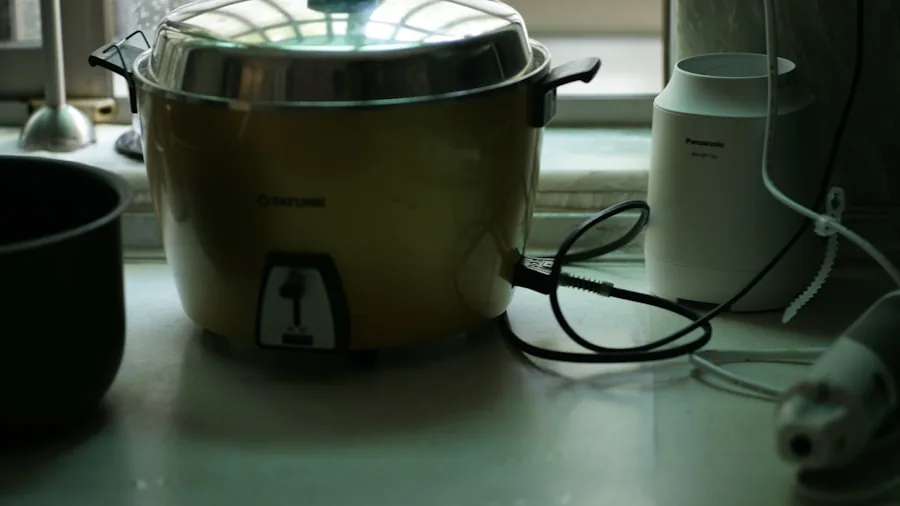
If your rice turns out sticky despite rinsing, you likely used too much water or skipped the rinsing step. Both issues are easily preventable with careful attention to ratios and pre-cooking preparation. To reduce splattering from starch buildup, stay within your cooker’s maximum capacity guidelines and always rinse beforehand. Adding a small amount of butter or oil to the pot also helps minimize foam overflow. Consider cooking in smaller batches if splatter remains a problem.
Tip 7: Expand Beyond Basic Rice
Your rice cooker isn’t limited to plain rice. Swap water for unsalted broth or stock to build flavor directly into the grains. Add fresh herbs, spices, sautéed garlic, or onions before cooking. After cooking, finish with fresh herbs, lemon juice, or chopped vegetables. For all-in-one meals, layer protein and vegetables on top of the rice before cooking. Modern rice cookers often include racks and baskets for steaming, and many can prepare other grains like quinoa, barley, and oatmeal with adjusted water ratios. This versatility makes your kitchen investment work harder for your everyday cooking.
With these seven tips in your back pocket, you’ll eliminate the stress from rice cooking and achieve restaurant-quality results at home. A rice cooker is truly a set-it-and-forget-it solution that deserves a permanent spot on your counter.




Write Your Review
No reviews yet. Be the first to share your experience!