
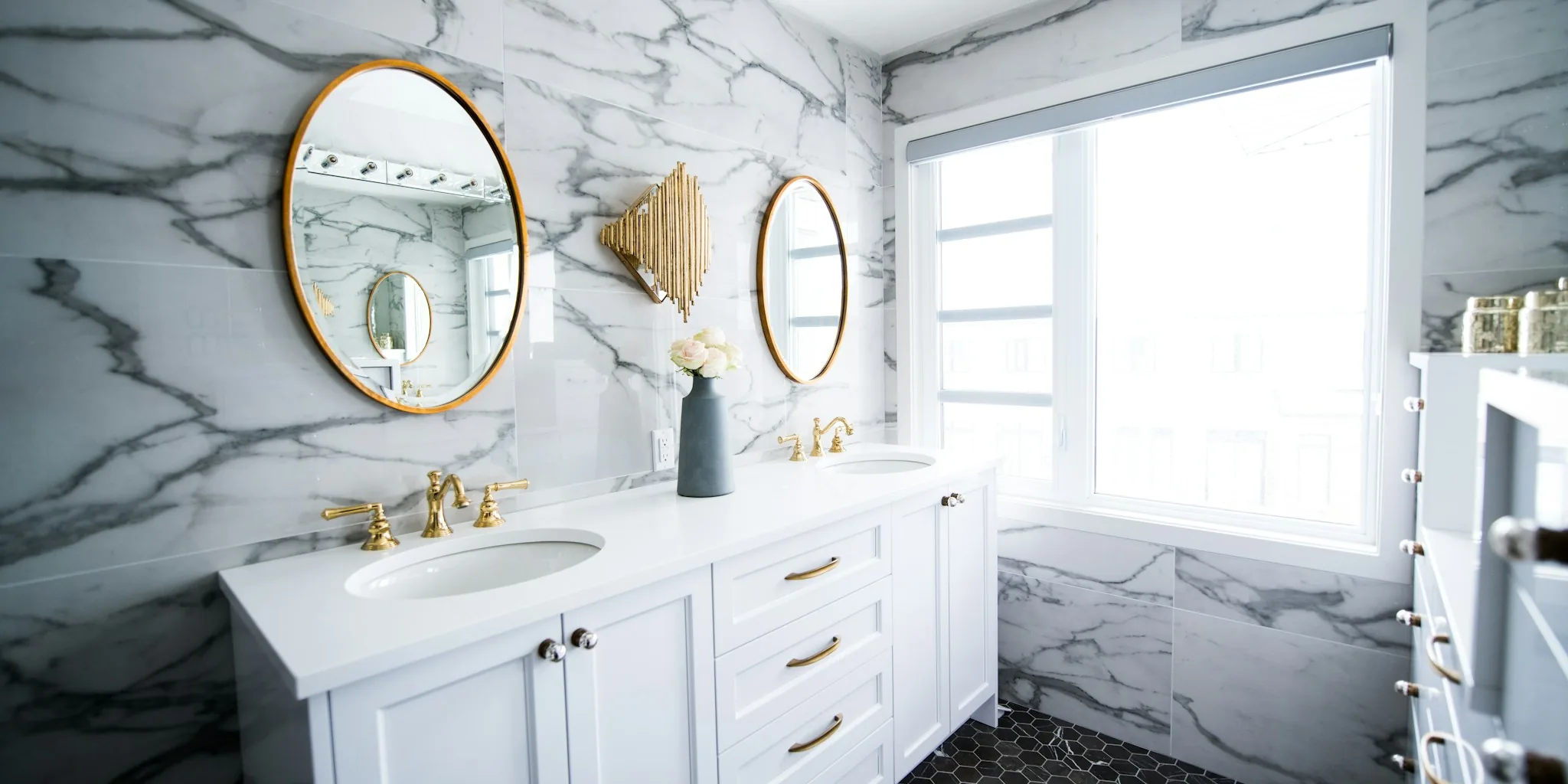

The bathroom is often the most overlooked room in a home, yet it demands constant organization and functionality. As we move through 2026, smart storage solutions are reshaping how homeowners think about their bathrooms, making them more streamlined and efficient than ever before. Understanding these emerging trends can help you make better decisions whether you’re planning a full renovation or simply refreshing your current space.
Custom Vanities Are Now the Standard
The days of one-size-fits-all vanities are fading. Recent industry data shows that 45 percent of bathroom renovators are now investing in custom vanity units longer than 60 inches, moving beyond basic builder-grade options. These larger units work well for double-sink arrangements, but they’re equally valuable in single-sink bathrooms, providing ample storage space to keep everyone’s toiletries organized and hidden from view.
The real advantage of custom vanities lies in their ability to match your overall bathroom design while solving functional problems. Internal slide-out drawers can be configured to fit seamlessly around plumbing, replacing awkward shelving that wastes space. Materials and finishes can be coordinated with your tile, flooring, and other fixtures, creating a cohesive, intentional look rather than a collection of mismatched pieces.
Vertical Storage That Doesn’t Feel Cramped
Floor-to-ceiling storage towers offer significant capacity for towels, bulk items, and seasonal supplies. However, placement matters tremendously in 2026 design. The best locations are inconspicuous areas that would otherwise sit unused, such as corners or spaces between wall studs. Avoid positioning tall cabinets where they obstruct windows, block visual focal points like freestanding tubs, or interfere with your natural movement through the space.
A poorly placed storage tower can instantly make your bathroom feel cramped or institutional rather than luxurious. Consider your daily bathroom routine: can you move freely without bumping into storage? Does the cabinet hide unsightly items like toilet paper bulk packs without consuming valuable floor space? These questions should guide your placement decisions.
Moisture-Resistant Storage Solutions
Bathrooms are uniquely humid environments, and storage must reflect this reality. Open shelving, while visually appealing, collects dust and allows moisture to damage items stored on them. Towels left folded on open shelves can develop mold, and toilet paper degrades quickly in damp conditions. In response, homeowners are increasingly reserving open shelves for daily-use items only, keeping everything else sealed inside cabinets or vanities.
This intentional approach to storage protection extends the lifespan of your belongings while reducing the need for constant cleaning and replacement. Closed storage also maintains the visual calm of your bathroom, preventing clutter from accumulating on display surfaces.
Recessed Niches and Built-In Cabinets
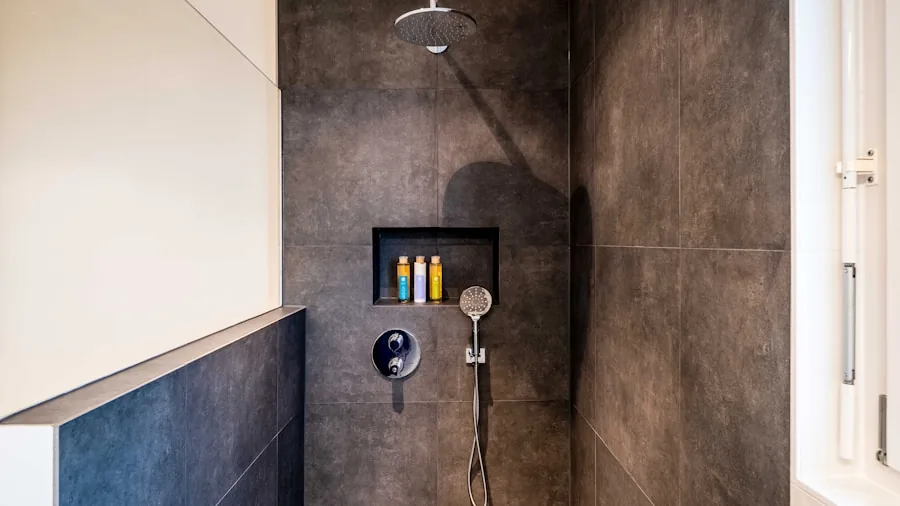
Recessed wall niches continue gaining popularity because they deliver storage without consuming floor space. When built into shower walls, these shallow shelves hold daily soaps and shampoos while looking far more refined than hanging caddies. They’re also easier to clean with a simple wipe-down rather than constant scrubbing of shower caddy crevices.
Beyond showers, recessed shelving throughout your bathroom makes spaces feel more expansive and intentional. Cabinets built directly into the gap between wall studs offer another smart solution, providing full-height storage without the footprint of freestanding units. These built-in options are increasingly popular because they deliver excellent resale value, a consideration for homeowners planning to sell in the coming years.
The Rise of Smart Storage Features
Technology is transforming bathroom storage in practical ways. Hidden power outlets and docking stations built into vanities allow you to charge grooming appliances and keep cords out of sight. Sixteen percent of renovators now request these features, along with built-in drawer organizers that prevent items from becoming chaotic. Smart towel rails and audio-enabled vanities with voice assistant integration are gaining traction, letting you listen to music or news while getting ready and adjusting lighting to suit your mood.
LED lighting inside medicine cabinets improves visibility, while some custom vanities now integrate dedicated spaces for hair dryers and electric toothbrushes to charge, eliminating cord clutter on countertops.
Floating Vanities Remain Popular, but Competition Is Increasing
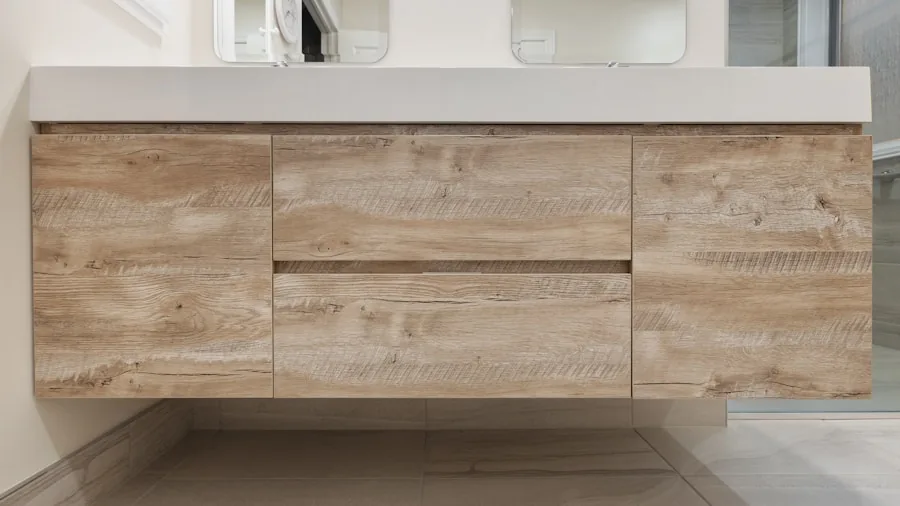
Fifty-three percent of homeowners now choose floating vanities over freestanding units, a trend that shows no signs of slowing. Wall-mounted cabinets save floor space and create a custom, built-in aesthetic, particularly beneficial in smaller bathrooms. However, freestanding vanities are making a comeback as part of the neutral maximalism movement, which uses sculptural shapes and quality materials to create collected, intentional spaces without overwhelming color.
Whether you choose floating or freestanding, prioritize units with varied drawer depths: shallow, medium, and deep options accommodate everything from cosmetics to appliances without forcing items into unsuitable spaces. Pairing quality vanities with undermount sinks elevates the overall appearance while maintaining functional storage underneath.
Details That Elevate the Entire Space
Hardware and hooks deserve thoughtful attention. Like kitchen cabinets, bathroom storage benefits from upgraded knobs, pulls, and hooks in quality finishes such as brushed gold or matte black. Hooks become decorative elements when chosen intentionally, adding vertical storage for towels and robes while contributing to your design scheme. A hand towel bar positioned near your vanity adds surprising functionality and completes your bathroom’s overall aesthetic.
These 2026 trends reflect a broader shift toward storage that combines beauty with practicality, integration with visibility, and custom detail with budget consciousness. Whether your next bathroom project is large or modest, these principles can guide your decisions toward spaces that feel organized, intentional, and genuinely suited to your daily life.

Write Your Review
No reviews yet. Be the first to share your experience!