

A Simple Bathroom Staple Offers an Affordable Solution to Whitefly Infestations
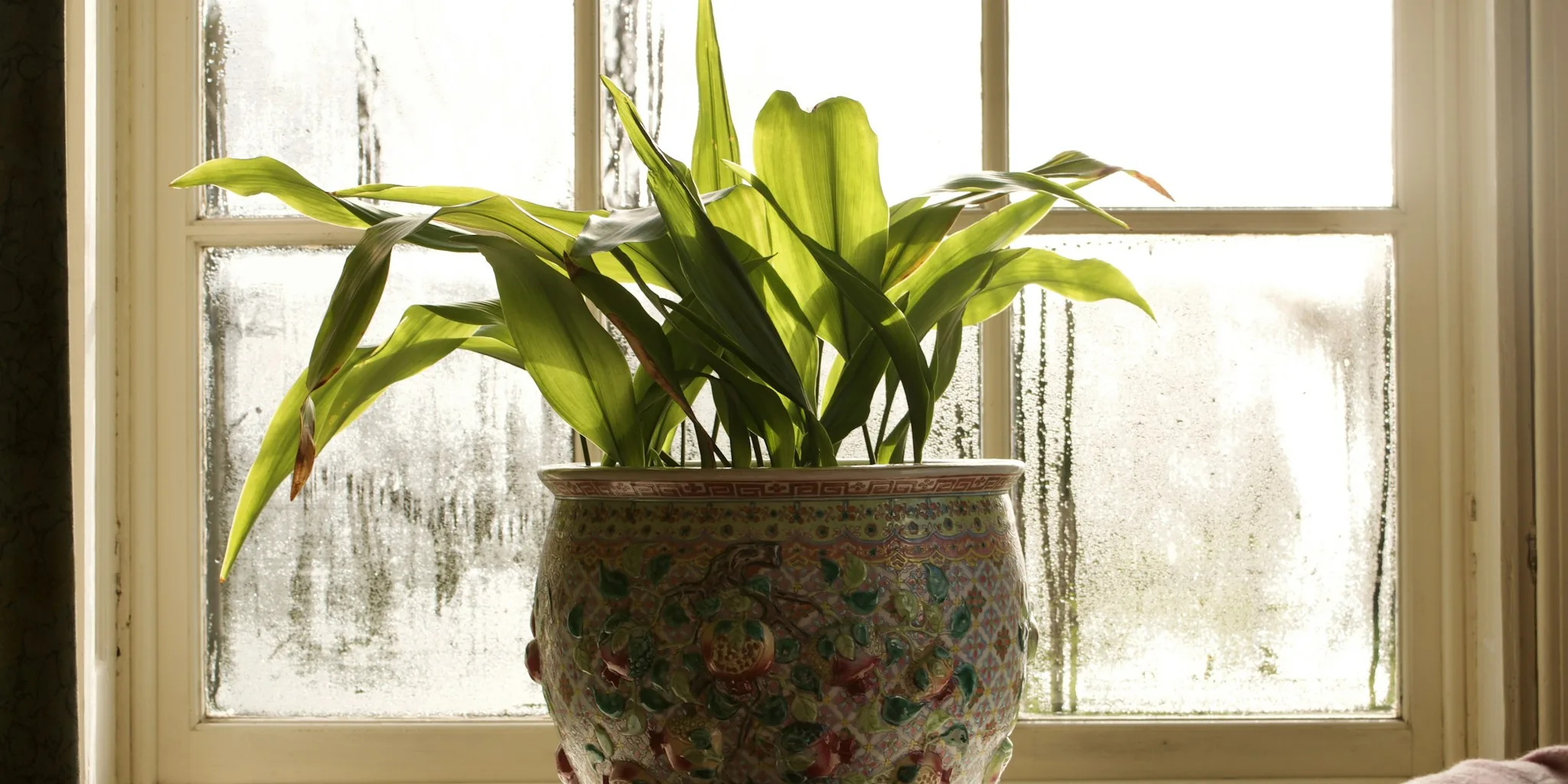
Whiteflies are among the more troublesome household pests that often go unnoticed until significant damage has already occurred. These tiny insects belong to the Aleyrodidae family and have a destructive habit of feeding on plant sap, which can weaken your houseplants and stunt their growth over time. Because they prefer to hide beneath leaf surfaces, spotting an infestation early can be challenging. However, if you do discover these pests around your indoor greenery, you already have an effective solution sitting in your bathroom cabinet.
Petroleum jelly, commonly known by its popular brand name, is a mixture of mineral oils and waxes typically used as a skincare product. What many people do not realize is that this bathroom staple can be repurposed into an affordable and non-toxic pest control trap. Combined with basic yellow cardstock, it mimics the commercial yellow sticky traps that professional gardeners and plant enthusiasts use to monitor and capture flying insects. This DIY approach costs just pennies and requires no special materials beyond items most households already have on hand.
How to Identify and Confirm a Whitefly Problem
Before setting up your trap, confirm that whiteflies are actually present. Gently shake the affected plant’s leaves and watch for a visible cloud of tiny white particles resembling dust. This telltale sign indicates an active infestation and means action is needed. Once you have confirmed the presence of these pests, you can move forward with creating your homemade solution.
Creating Your DIY Whitefly Trap
The process is straightforward and requires minimal preparation. Cut a piece of yellow cardstock to a size appropriate for your plant area, though there is no strict requirement regarding dimensions. Apply a generous coating of petroleum jelly across the entire surface of the cardstock. For easier positioning, attach the coated cardstock to a wooden craft stick and insert it into the soil near the affected plant. This setup allows you to adjust the trap’s height and placement as needed.
The science behind this method is simple: adult whiteflies are naturally attracted to the color yellow and will fly directly toward the cardstock. Once they land on the jelly-coated surface, they become stuck and cannot escape. This traps them effectively without using any harsh chemicals or pesticides. Just as bathroom fixtures require regular maintenance and cleaning, these traps need attention too. Check your trap every few days and replace the cardstock once it becomes crowded with insects or accumulates dust and debris.
Alternative Approaches and When to Use Them
If you find yourself running low on petroleum jelly or want to explore other options, you can create an alternative sticky mixture by combining petroleum jelly with dish soap in equal proportions. This combination creates a different texture that still effectively captures adult whiteflies, though you may need additional treatments to fully eliminate a severe infestation. Some shoppers prefer mixing these ingredients because it extends their supply and offers comparable results.
It is important to note that while this trap method successfully captures adult whiteflies, eliminating an established infestation often requires a multi-step approach. The traps work best as a preventative measure or for catching flying adults, but treating the eggs and larvae may demand supplementary solutions. Consider organizing your bathroom storage to keep pest control supplies easily accessible for quick application whenever needed.
Why This Method Works Better Than You Might Expect
This approach stands out because it relies on the natural behavior and preferences of whiteflies rather than harsh chemicals. The insects’ attraction to yellow is instinctive, making the trap highly effective at drawing them in. The sticky surface then prevents escape, creating a physical barrier that does not introduce toxins into your home environment. This matters especially for households with children, pets, or people with sensitivities to chemical pesticides.
The cost difference between this DIY solution and commercial sticky traps is substantial. A single commercial trap can cost several dollars, while petroleum jelly and cardstock cost only a few cents per trap. You can create multiple traps for different plants or windows, providing comprehensive coverage throughout your home at minimal expense. While you monitor your plants indoors, you can even enjoy music from waterproof speakers during your bathroom time.
Taking Action Against Whiteflies Today
If you suspect whiteflies are affecting your houseplants, do not delay in setting up traps. Early intervention prevents populations from exploding and causing irreversible damage to your greenery. Gather your petroleum jelly, yellow cardstock, and a craft stick, then position your trap within hours. With regular monitoring and maintenance, you should see a noticeable reduction in adult whitefly activity within one to two weeks. This simple, affordable approach demonstrates that effective pest control does not always require expensive specialized products or professional treatments.


Write Your Review
No reviews yet. Be the first to share your experience!