
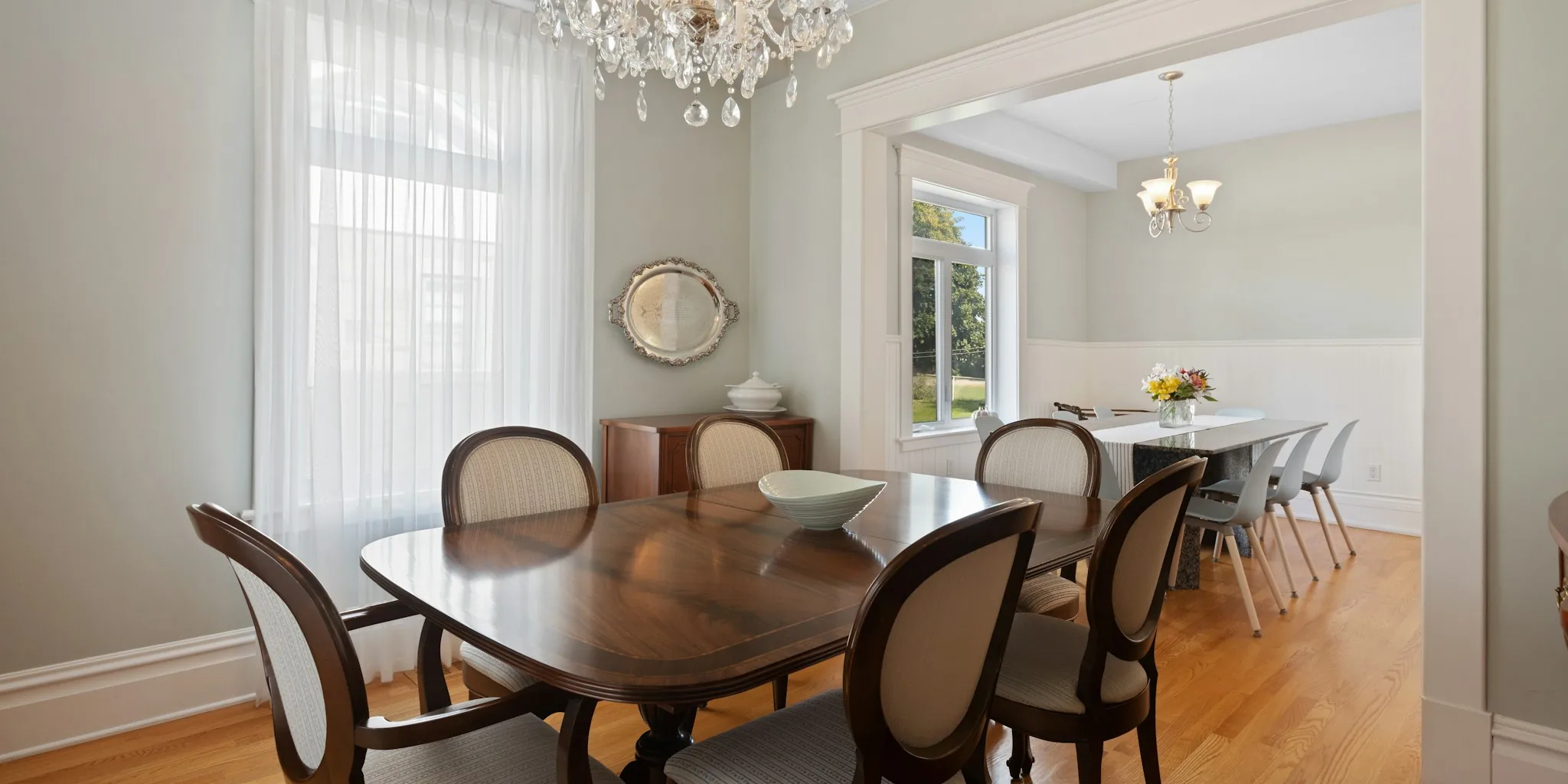

1980s Lighting Trends Make a Stylish Comeback
For decades, the ornate chandeliers of the 1980s were dismissed as relics of excess and overindulgence. But interior design has shifted, and these sparkling statement pieces are poised for a major revival. As homeowners move away from the cold minimalism that dominated recent years, there is renewed appetite for lighting that brings personality and drama to a room. Waterfall chandeliers, with their cascading tiers and light-catching surfaces, represent an accessible entry point into this more expressive design era.
The resurgence makes practical sense for today’s shopper. You no longer need to hunt through vintage shops or pay premium prices for authentic 1980s pieces. Modern reproductions capture the glamorous spirit of the original trend while fitting contemporary budgets and installation standards. Whether you are updating your dining room, foyer, or living room, these revived fixtures offer a fresh take on nostalgic elegance.
Understanding the Waterfall Chandelier Aesthetic
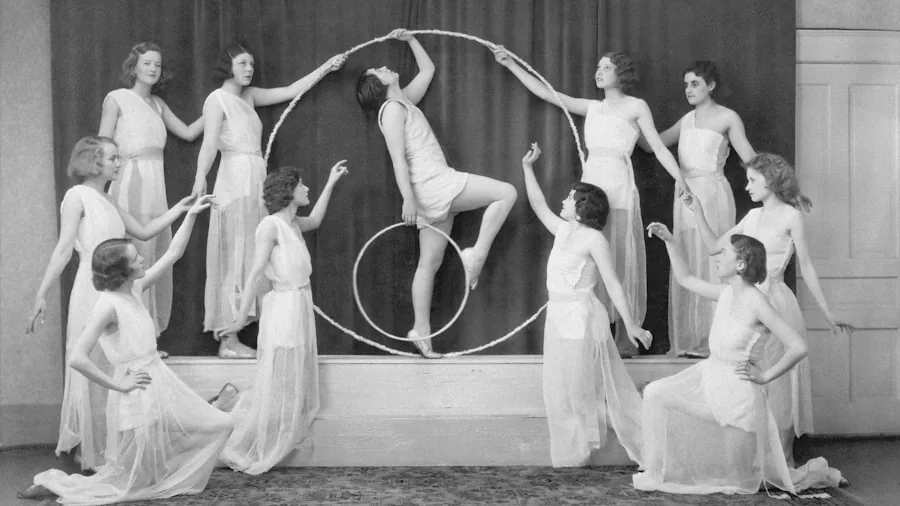
The waterfall chandelier became iconic during the 1980s largely because of a broader design movement. The decade saw a major resurgence of Art Deco influences, which had originally peaked in the 1920s. This artistic revival meant that metallic finishes, geometric shapes, and reflective surfaces dominated interior lighting. Chandeliers evolved from simple functional pieces into sculptural elements worthy of admiration.
What made waterfall designs particularly popular was their engineering and visual impact. Multiple tiers of glass or crystal hung in decreasing lengths, creating the impression of light cascading downward. Each piece caught and reflected ambient light, transforming overhead fixtures into shimmering focal points. The effect was undeniably dramatic, which is precisely why modern design enthusiasts are taking notice as new shopping options emerge from online retailers and stores.
Material Choices and Authenticity
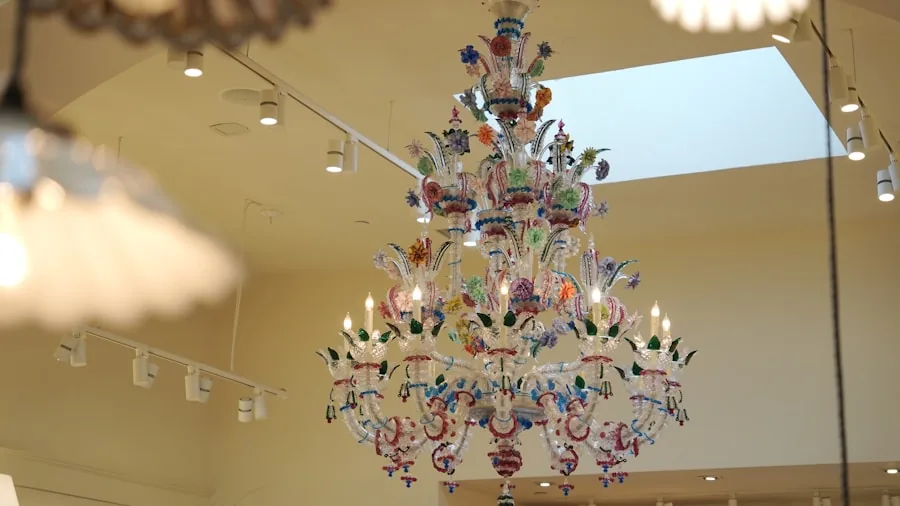
Not all waterfall chandeliers from the 1980s were created equal. The most coveted versions used Murano glass, a handcrafted Italian product manufactured on the Venetian island of Murano. These pieces became synonymous with luxury lighting throughout the decade. Murano waterfall chandeliers featured individually sculpted glass elements arranged in tiers, each one designed to catch and reflect light in deliberate ways. The triangular prism shapes, known as Triedri, became a signature element that collectors still seek today.
However, manufacturers also produced alternatives using cut or molded glass, mirrored surfaces, and even colored glass. These options delivered visual impact at lower price points, making the aesthetic accessible to a broader audience. Some Murano designs went beyond the waterfall concept, incorporating flower-shaped petals and crystal drops that resembled dewdrops. These variations demonstrated that 1980s glamour could take many forms, from bold and geometric to delicate and organic.
Where to Find These Fixtures Today
Authentic 1980s waterfall chandeliers appear regularly on specialty vintage marketplaces and online auction platforms. You can source genuine pieces through dedicated antique lighting retailers, collectible design sites, and even general resale platforms. Prices for authentic Murano pieces vary widely depending on condition, designer attribution, and rarity.
For budget-conscious shoppers, modern reproductions capture the essence of the trend without the premium cost. Many contemporary light fixture manufacturers have introduced waterfall designs inspired by the original 1980s aesthetic. These new versions use current materials and electrical standards, making installation safer and more straightforward. If you are considering a major lighting upgrade, exploring options for different spaces and styles will help you make informed decisions about how to integrate statement fixtures into your home.
Making the Trend Work in Your Space
The key to successfully incorporating a waterfall chandelier into a modern home is restraint and intentionality. Rather than filling every room with sparkle, choose one primary space like a dining room, foyer, or entryway. Allow the fixture to serve as a conversation starter and anchor point. Pair it with understated walls and furnishings to let the chandelier command attention without overwhelming the space.
Consider the scale and proportions of your room before committing. A large tiered waterfall fixture requires adequate ceiling height and room dimensions to avoid looking cramped or top-heavy. Lighting professionals can assess your space and recommend appropriate sizes and configurations. The investment in proper installation ensures both safety and aesthetic impact.
This moment in design history is genuinely favorable for waterfall chandelier enthusiasts. Tastes have moved beyond stark minimalism, creating room for statement-making light fixtures that blend opulence with personality. Whether you choose an authentic vintage piece or a contemporary reproduction, the waterfall chandelier can anchor a sophisticated and dramatic interior scheme.



Write Your Review
No reviews yet. Be the first to share your experience!