

Frozen meat is a pantry staple for busy home cooks, but thawing it correctly is crucial for food safety. Recent guidance from food safety experts highlights how many shoppers are still using unsafe defrosting methods that can lead to bacterial growth and foodborne illness. Understanding the science behind proper thawing can help you prepare meals confidently while protecting your family’s health.
The Danger Zone: Why Defrosting Method Matters
The USDA identifies a critical temperature range called the danger zone: between 40°F and 140°F. When meat sits in this temperature range for extended periods, dangerous bacteria like Salmonella and E. coli multiply rapidly. What makes this particularly concerning is that contaminated meat can look and smell perfectly fine, so visual inspection alone won’t keep you safe. This is why food experts emphasize following established defrosting protocols rather than relying on guesswork or convenience.
Three Safe Defrosting Methods Explained
Refrigerator Thawing: The Gold Standard
The safest approach requires planning ahead but delivers the best results. Move your frozen meat from the freezer to the refrigerator and allow it to thaw completely overnight. This method keeps meat consistently below 40°F throughout the entire process, preventing bacterial growth. Once thawed, ground meat and poultry stay fresh for one to two additional days, while beef, pork, and lamb remain safe for three to five days. A significant advantage is that refrigerator-thawed meat can be refrozen if your plans change, though some quality loss may occur.
Cold Water Method: Quick and Hands-On
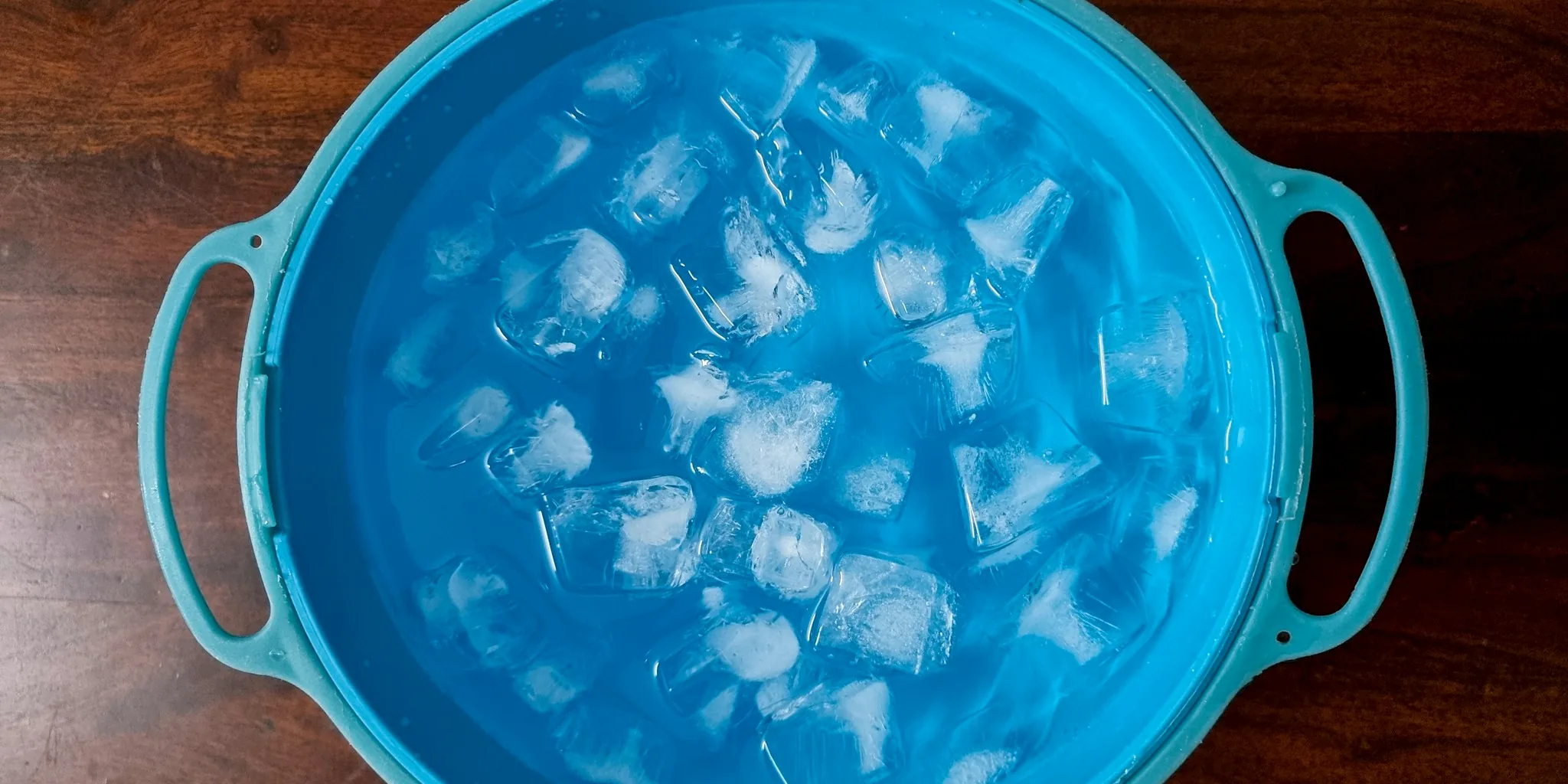
When you need faster results without a microwave, the cold water technique works well. Place your frozen meat in a resealable plastic bag, removing as much air as possible, then submerge it in a bowl of cold water. The key to success is changing the water every 30 minutes to maintain its temperature. Smaller portions (around one pound) typically thaw within an hour, while larger cuts may require two to three hours. Estimate roughly 30 minutes per pound as a general guideline. Note that meat thawed this way should be cooked immediately and shouldn’t be refrozen unless you cook it first.
Microwave Defrosting: The Fastest Option
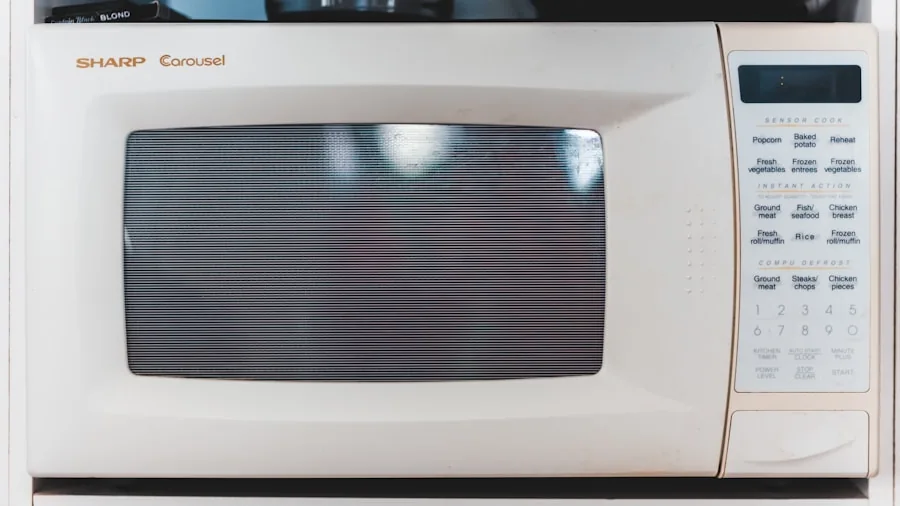
Your microwave can thaw meat in under 10 minutes, making it ideal for last-minute meal prep. This method works best for thinner cuts like chicken breasts or ground beef that will cook thoroughly afterward. Check your microwave’s manual for its specific defrost setting, or use a lower power level with short bursts if no defrost function exists. The critical mistake shoppers make is using too high a power level or running the cycle too long, which actually cooks portions of the meat instead of thawing it. Regardless of which setting you choose, start cooking immediately after the meat is thawed.
Methods to Avoid
The USDA strongly discourages thawing meat on the counter or in hot water. Room-temperature conditions allow meat to enter the danger zone within hours, creating ideal conditions for bacterial multiplication. Even if meat appears fine, it may harbor pathogens from before freezing. Similarly, avoid using a slow cooker for frozen meat, as it spends too long warming up and passes through the danger zone, creating food safety risks.
Can You Cook Meat Directly From Frozen
In a time crunch, you technically can cook frozen meat without thawing, though it’s not ideal. Solid cuts of chicken, ground turkey, and steak are safe to cook straight from the freezer, though cooking time increases by approximately 50 percent. You’ll sacrifice texture quality, including crispy skin or a perfect sear, but the meat will be safe to eat. The one exception is slow cooking frozen meat, which poses safety concerns due to prolonged time in the danger zone.
Practical Tips for Meal Planning
Smart shoppers can simplify their routine by thawing meat in the refrigerator the night before cooking. This eliminates stress and guarantees safe results. For those with limited kitchen space, small kitchen design changes can optimize your fridge and freezer organization to make meal prep easier. Consider batch-cooking thawed meat into soups and stews for the week ahead, a strategy that maximizes both safety and convenience.
Whether you choose the refrigerator, cold water, or microwave method, the most important principle is keeping meat out of the danger zone. By understanding these options and planning accordingly, you’ll reduce foodborne illness risks while simplifying your weeknight cooking routine. Armed with this knowledge, you can confidently thaw any cut of meat and prepare satisfying meals for your household.





Write Your Review
No reviews yet. Be the first to share your experience!