
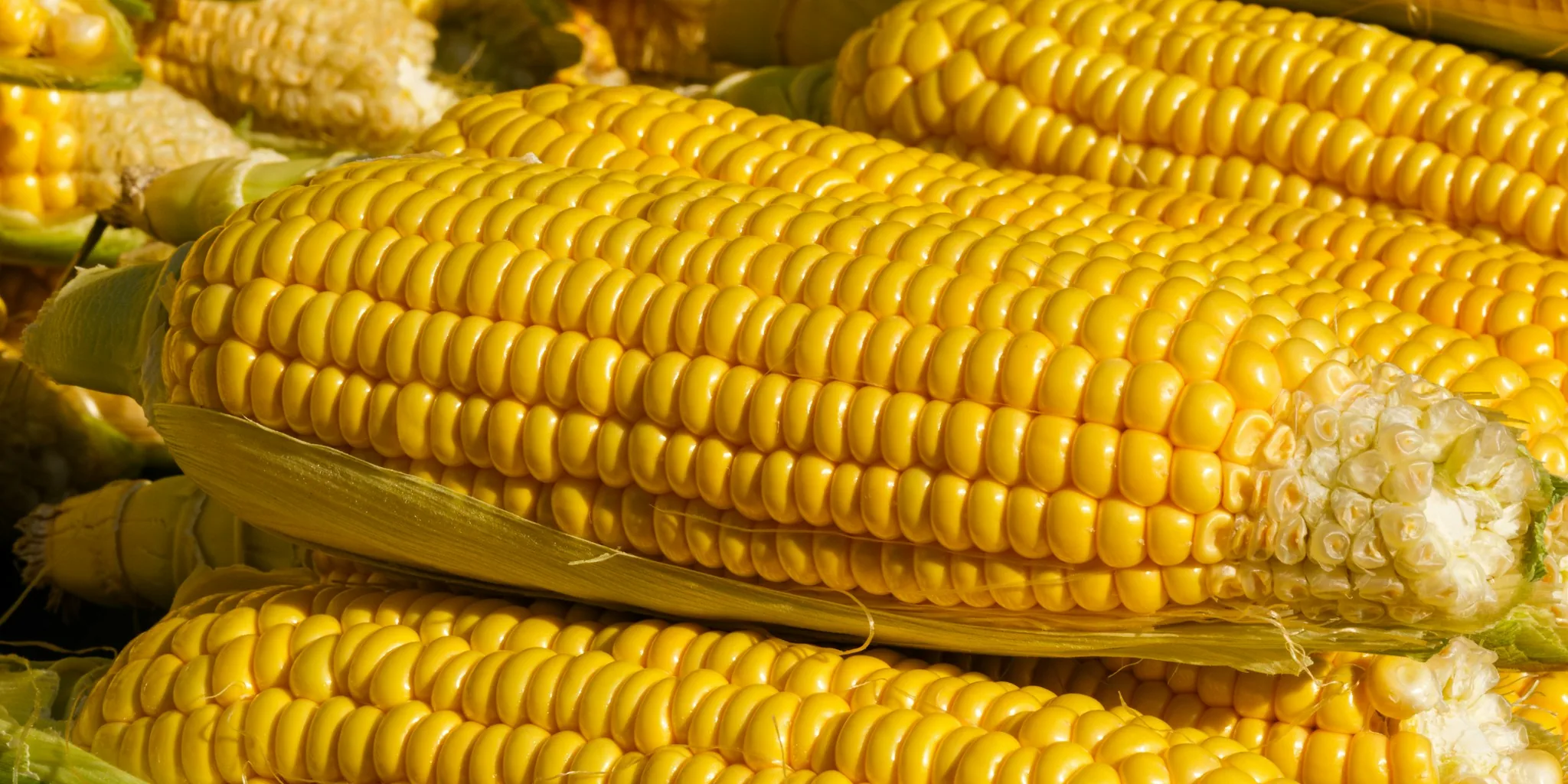

If you have spent years manually peeling away corn husks and silk strands before cooking, a trending kitchen technique is about to change everything. A simple method involving boiling and one strategic cut has taken social media by storm, and for good reason: it actually works, and it cuts preparation time down to roughly two minutes.
The Old Way Was Costing You Time
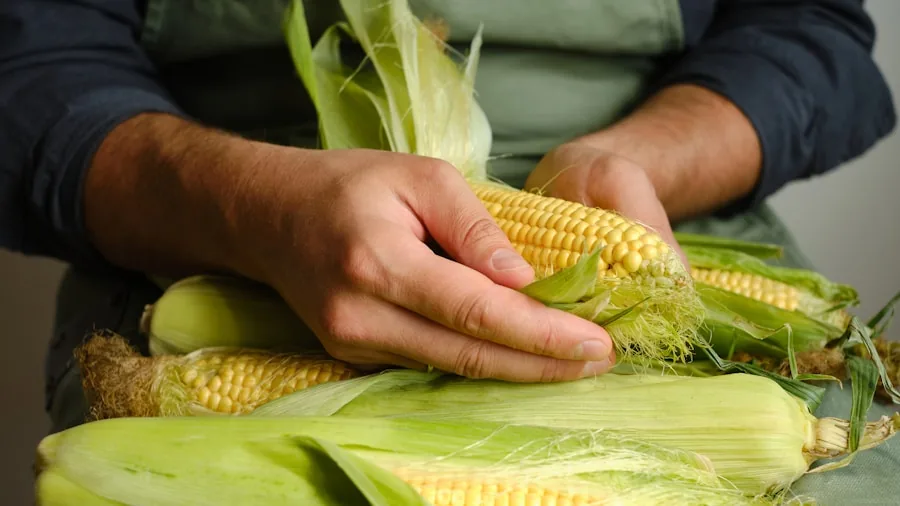
Traditional corn shucking is undeniably frustrating. You peel back layer after layer of husk, only to discover that individual silk strands remain clinging to the cob. Those stray fibers end up between your teeth while eating, which means returning to the cob to remove them. The entire process can consume ten to fifteen minutes per ear, turning what should be simple prep work into a genuine kitchen chore. For anyone planning a backyard barbecue or summer dinner, multiplying that time across six or eight ears becomes a real time sink.
How the Viral Trick Actually Works
The method is straightforward enough that anyone can master it on the first attempt. Start by placing unshucked corn directly into boiling water for a few minutes. Do not remove the husk beforehand. Once the corn has cooked briefly, carefully remove the ears and place them on a cutting board to cool slightly. Using a sharp knife, slice off approximately two to three inches from the bottom end of the cob. This is the critical step. Grab the leafy husk at the top using a paper towel for better grip, then gently shake the cob. The kernel-covered corn slides right out, leaving behind a clean cob and a fraction of the mess that traditional shucking produces.
The technique works because heat softens the connection points where the husk and silk attach to the cob. By cutting off the bottom section, you eliminate the most stubborn attachment zone. The shake then completes the separation cleanly.
What Shoppers Need to Know Before Trying It
Success depends on getting the cut depth right. Many people make the mistake of cutting too little off the bottom. Aim for two to three inches, or even slightly more, to ensure you cut past the base where all the husk and silk strands interconnect. Leaving the husk leaves intact at the top is equally important, since you need them as a grip point when shaking the corn free. Do not trim the top husk beforehand.
Heat retention is another practical consideration. Boiled corn stays hot for several minutes, so wait until it has cooled enough to handle comfortably with your bare hands. A paper towel provides insulation and improves your grip on the leaves simultaneously.
This method works with other cooking methods too. Some home cooks achieve identical results by microwaving the corn first instead of boiling it. Choose whichever cooking method aligns with your kitchen routine and dinner timeline.
Why This Matters for Your Kitchen
Shaving ten to fifteen minutes off your meal prep adds up across a season of summer entertaining. If you are hosting multiple dinners or rethinking how your kitchen flows during cooking, efficiency gains matter. Even small improvements in prep work free up mental energy and counter space for other components of your meal.
Beyond speed, this approach generates significantly less mess. Rather than corn silk scattered across your counter and husk leaves piling up, you end with contained debris that fits easily into a compost bin or trash bag. If you are managing common kitchen cleanup challenges, reducing the physical mess during prep is a genuine quality of life improvement.
What You Can Do With Corn After Shucking
Once the corn is free from its husk, your options expand. Eat it directly off the cob as a side dish. Slice the kernels off and toss them into salads, grain bowls, or pasta. Some cooks place the cooked cob on an outdoor grill to add a subtle char before serving. If you need creative storage solutions for seasonal cooking tools and ingredients, knowing multiple preparation methods helps you plan menu variety throughout the season.
The viral hack solves a genuine kitchen annoyance that millions of home cooks face every summer. If you have been shucking corn the traditional way, this technique deserves a real test before your next family dinner. Two minutes to perfectly clean corn represents a significant return on your effort investment.




Write Your Review
No reviews yet. Be the first to share your experience!