
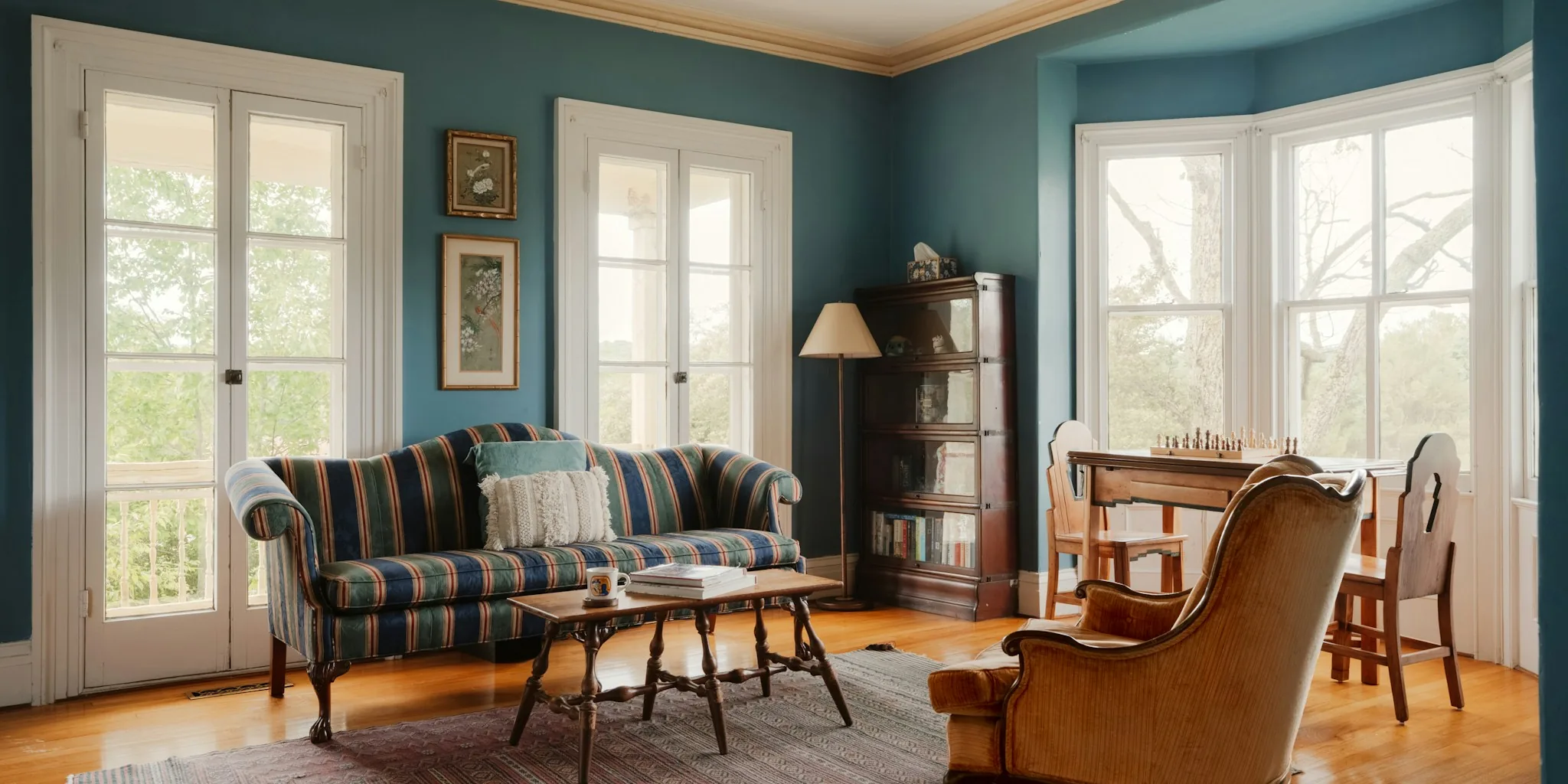

When it comes to kitchen design, many homeowners default to neutral palettes and modern minimalism. But a growing number of shoppers are discovering that injecting personality and warmth into a kitchen doesn’t mean sacrificing the charm of historic architecture. Real renovation stories show that the most memorable kitchens blend period details with unexpected color choices and curated vintage pieces.
Breaking Free From the All-White Kitchen Trend
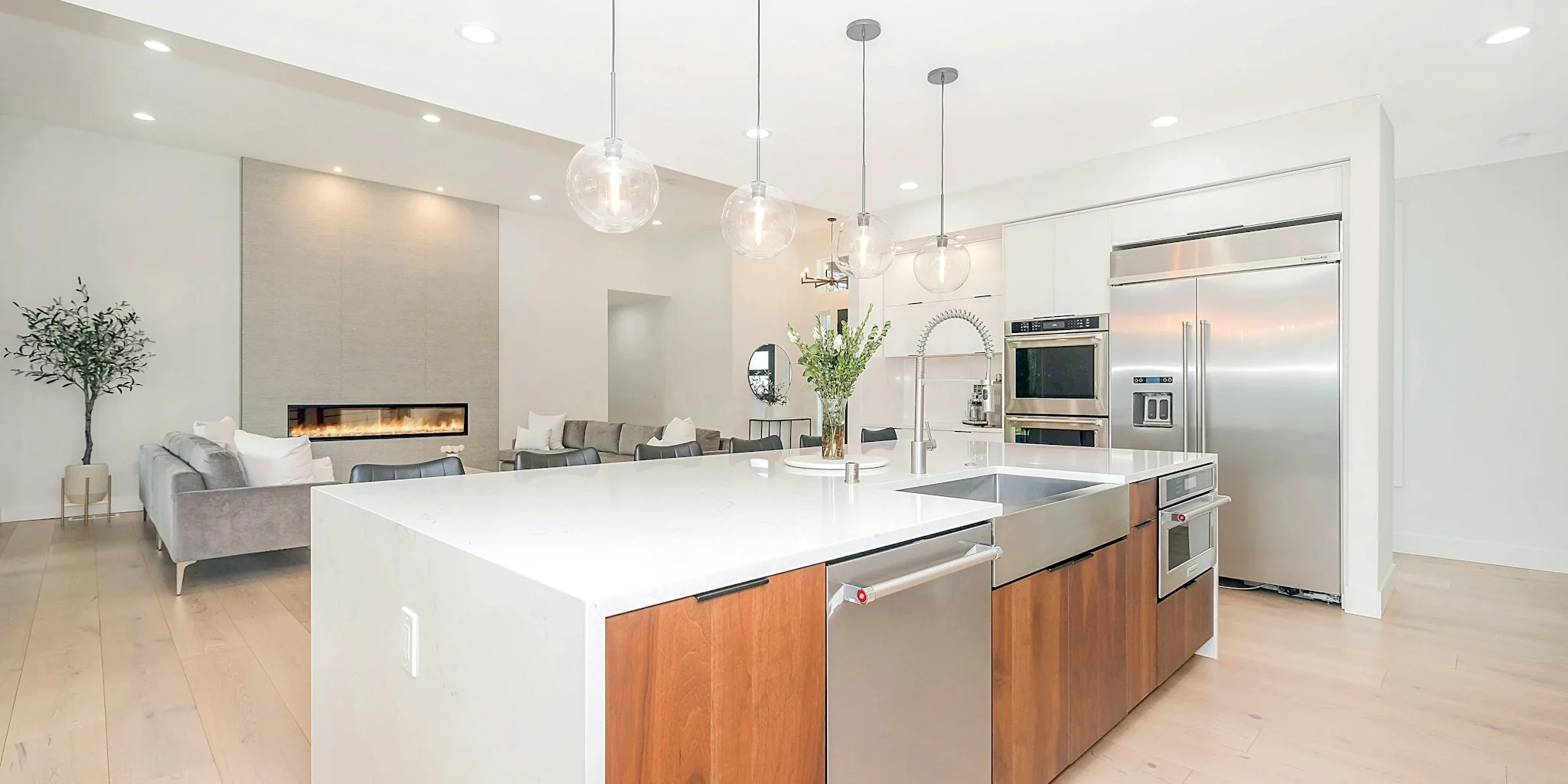
For years, the all-white kitchen dominated design magazines and home improvement shows. It promised cleanliness, simplicity, and timelessness. Yet many homeowners who embrace this aesthetic eventually realize it doesn’t reflect who they are. The blank-slate approach sounds appealing in theory, but living with it day after day can feel impersonal and cold.
The shift happens gradually. After spending time in a home, residents begin to understand what actually makes their space feel like home. Rather than fighting against the architecture of an older property, today’s kitchen shoppers are learning to work with original features like exposed beams, hardwood floors, and brick fireplaces as anchors for deeper, more intentional design choices.
Using Color to Create Warmth and Character
One powerful way to personalize a historic kitchen is through strategic use of color. Instead of whites and grays, forward-thinking homeowners are painting dining areas and kitchen walls in rich, saturated hues like deep cornflower blue or warm terra cotta tones. These colors don’t compete with period architecture; they complement it and create the cozy, lived-in feeling that makes a house a home.
The beauty of this approach is that bold kitchen paint colors actually highlight original elements rather than obscuring them. A vibrant blue wall makes exposed brick glow. It emphasizes wooden beams and draws attention to the craftsmanship that went into building these homes over a century ago. This philosophy represents a fundamental shift in how homeowners value authenticity over trends.
Shopping Local Antique Markets for One-of-a-Kind Pieces
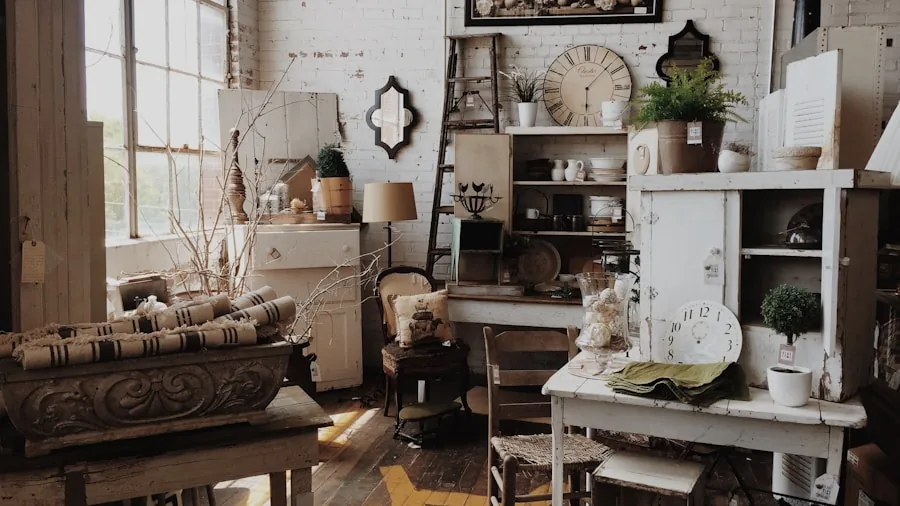
Furnishing a kitchen or dining room with pieces that have real history has become a preferred alternative to mass-produced furniture. Shoppers visiting local antique warehouses and second-hand shops discover sideboards, coat racks, chairs, and other functional items that add genuine character. What sets this approach apart is the intentionality behind each selection.
Rather than filling a space quickly with new furniture, many homeowners now prefer to hunt gradually through local shops, building relationships with vendors and makers. This slower pace of decorating aligns with a broader lifestyle shift toward sustainability and supporting artisans. Vintage and antique pieces also tell stories. The wear and patina that comes with age, once seen as a drawback, is now recognized as proof of quality and authenticity.
DIY Kitchen Projects That Make a Real Difference
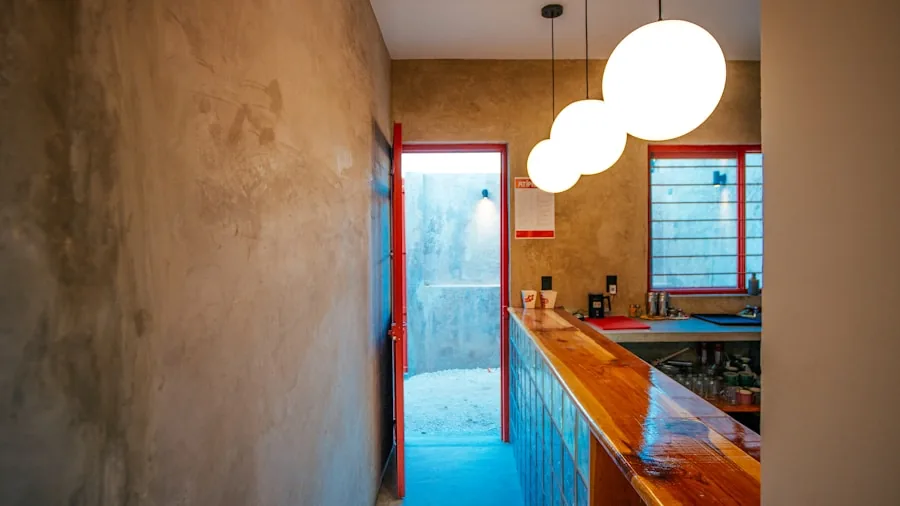
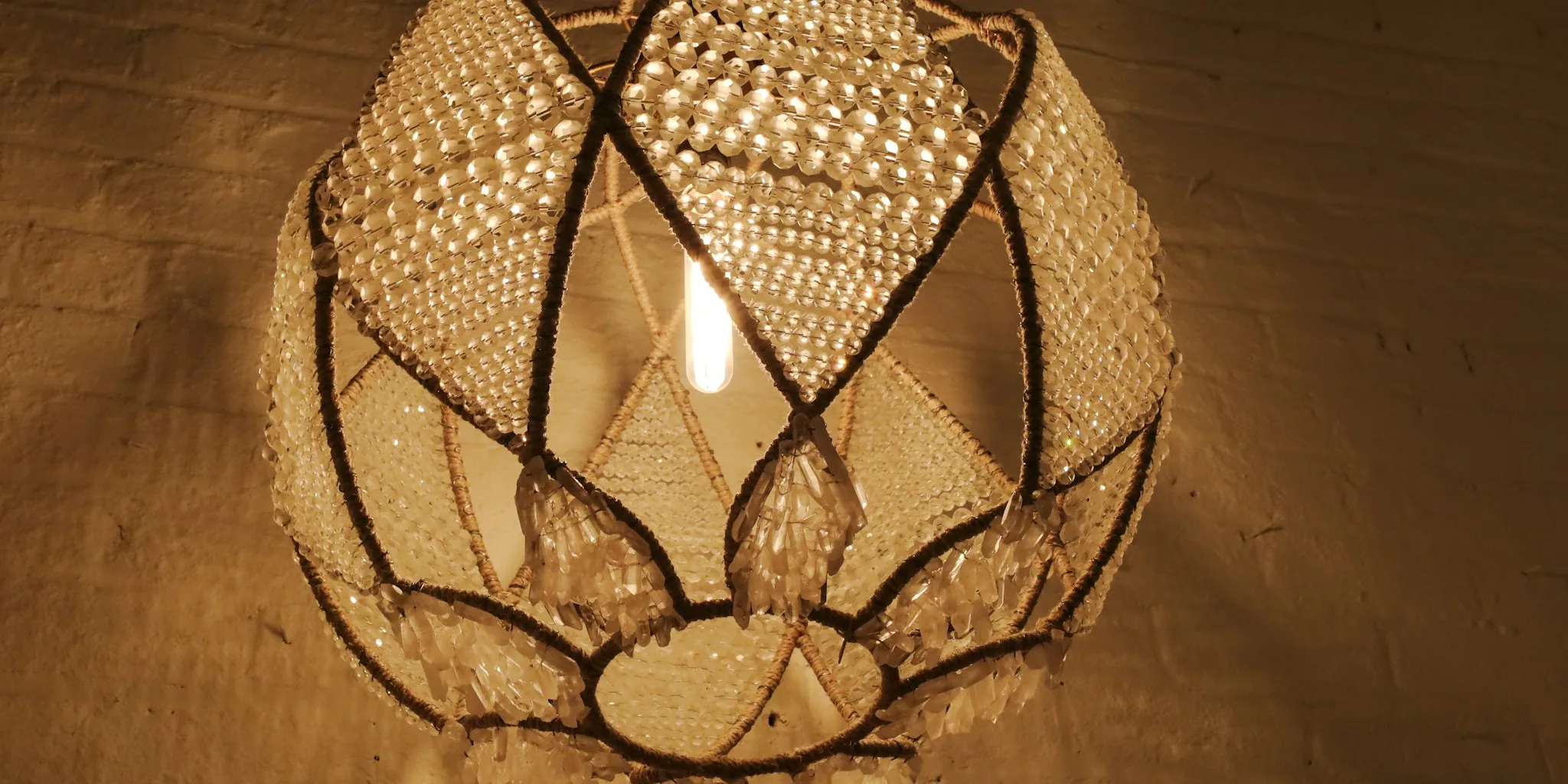
Kitchen shoppers don’t need to undertake expensive full renovations to create meaningful changes. Strategic, smaller-scale projects can transform a space significantly. For example, updating overhead lighting with a fixture that features warm fabric shading immediately changes the ambiance of a room. The right lighting can make a kitchen feel inviting and sophisticated rather than cold and utilitarian.
Other popular DIY kitchen upgrades include adding open shelving, installing a tension rod with cafe curtains to hide awkward storage areas, or displaying curated collections on open cabinetry. These projects cost relatively little compared to major renovations but deliver outsized impact on how the space feels and functions. Smart organizational solutions like drawer dividers also help maintain the aesthetic while improving usability.
Sourcing Decor From Local Artisans and Makers
The kitchen has become a canvas for displaying meaningful objects and artwork. Instead of relying on mass-market decor, homeowners are partnering with local ceramicists, florists, and sculptors to fill their spaces with genuine art. Open shelving and sideboards become gallery walls where functional dishes, vessels, and decorative pieces coexist.
This approach turns everyday kitchen items into conversation starters. A handmade ceramic bowl isn’t just utilitarian; it’s a connection to the artist who created it and the community where it was made. Creative storage solutions can also display collections beautifully, making organization part of the design itself.
What This Means for Kitchen Shoppers Today
The takeaway for anyone planning a kitchen update is that personal style matters more than following a single aesthetic rule. A historic kitchen painted in unexpected color, furnished with vintage finds, and decorated with locally made art will feel more inviting and memorable than a picture-perfect showroom space. Modern kitchen shoppers are discovering that the best designs reflect the people living in them, not an impersonal design trend.
If you’re planning kitchen changes, consider starting with color, then gradually introduce vintage and artisan pieces that speak to you. Small DIY projects like lighting upgrades or display solutions cost little but deliver noticeable atmosphere improvements. Your kitchen should tell your story, not a designer’s.


Write Your Review
No reviews yet. Be the first to share your experience!