

Makita’s Slipping Position in the Cordless Power Tool Market
Makita has long been recognized as a builder of durable, feature-rich cordless power tools. Yet despite this reputation for quality, the brand appears to be losing ground to competitors in ways that directly affect your buying options and prices. Understanding what’s happening in the cordless power tool landscape can help you make better purchasing decisions for your projects.
Why Market Position Matters for Tool Buyers

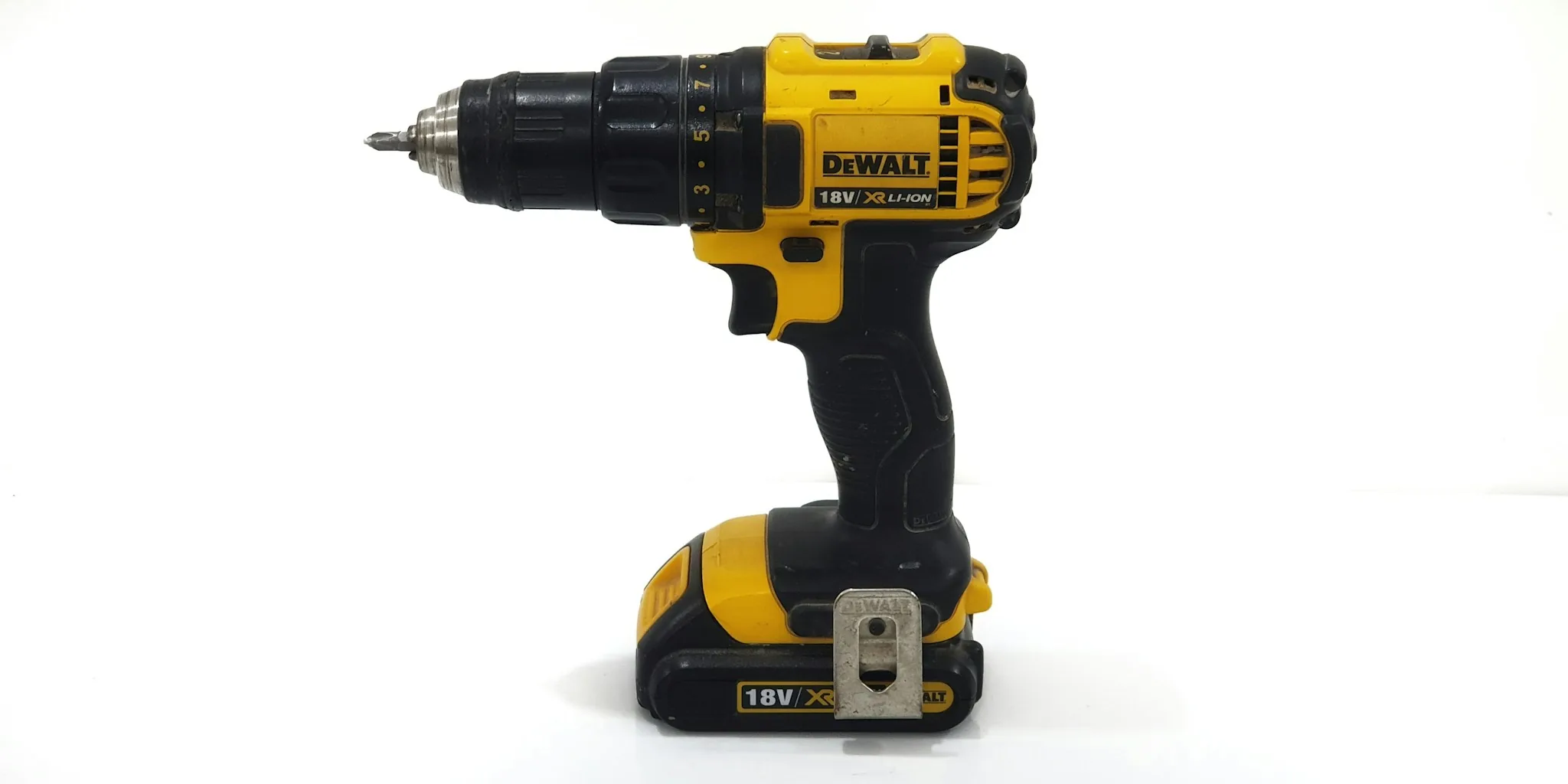
When a major tool manufacturer loses market share, it affects more than just company profits. It influences tool availability, pricing, product development, and the breadth of accessories available to you. DeWalt and Milwaukee have captured significant portions of the cordless tool market over the past decade, leaving Makita in a smaller position than it once held. This shift matters because it shapes which tools end up on store shelves and which remain exclusively online.
Quality doesn’t seem to be the issue. Makita tools are well-built and incorporate modern features that match or exceed what competitors offer. Instead, several interconnected factors appear to be reshaping buyer preferences and market dynamics.
Storage Systems and Brand Ecosystem Appeal
One instructive lesson comes from Milwaukee’s Packout storage system, introduced around nine years ago. Despite pricing significantly higher than competing modular storage options at the time, buyers embraced it enthusiastically. This demonstrates that professionals and serious DIYers will pay premium prices when a brand offers a complete ecosystem that simplifies work organization and portability.
Makita’s cordless lineup includes solid tools, but the brand hasn’t created the same gravitational pull around a unified system ecosystem. Buyers today don’t just evaluate individual tools in isolation. They consider whether a brand’s accessories, storage solutions, and complementary products align with their workflow. When that integration feels incomplete, even quality tools struggle to gain traction.
Distribution and Availability Gaps
Retail availability plays a larger role than many shoppers realize. Hand tool brands like Knipex and Wera have built strong reputations despite limited brick-and-mortar presence, relying instead on dedicated online channels. This strategy works for specialized hand tools, but cordless power tools operate differently. Most buyers expect to see, handle, and compare options in person before committing to a system.
Makita’s distribution strategy hasn’t kept pace with competitor expansion. Major retailers have prioritized shelf space for DeWalt and Milwaukee, making Makita tools harder to find in typical home improvement stores. This visibility gap compounds over time, as new tool buyers gravitate toward what they can easily see and compare. Milwaukee’s strategic retailer partnerships have strengthened their position considerably, creating momentum that’s difficult for competitors to overcome.
Product Lineup Depth and Strategic Gaps

Every cordless power tool system has inherent strengths, weaknesses, and product gaps. Makita faces the same reality as its competitors. However, the perception matters as much as the reality. When buyers perceive that a competing brand offers better coverage across the tools they need most, they’re more likely to invest in that ecosystem and purchase additional tools within it over time.
The XGT platform represents Makita’s effort to modernize and expand competitively, with tools like the reciprocating saw earning praise for capability and performance. Yet individual tool excellence doesn’t automatically translate to market share growth if the broader brand strategy doesn’t support system adoption.
What This Means for Your Shopping Strategy
Makita’s market decline doesn’t mean their tools are inferior choices. In fact, specialty demolition tools and other heavy-duty applications show that Makita remains capable across various categories. However, it does mean you may need to work harder to find them and should carefully evaluate whether investing in Makita’s ecosystem makes sense for your specific needs.
Consider your long-term tool strategy. If you’re building a complete cordless system, the availability and accessory ecosystem matter significantly. If you’re purchasing one or two specialized tools for specific tasks, Makita’s quality engineering may still represent excellent value despite limited distribution. Quality woodworking tools demonstrate that specialized Makita products can compete effectively.
Market consolidation around fewer dominant players ultimately reduces your options and may limit competition that keeps prices reasonable. As a shopper, staying informed about these industry shifts helps you make purchasing decisions that align with your actual needs rather than simply following momentum toward the market leaders.






Write Your Review
No reviews yet. Be the first to share your experience!