
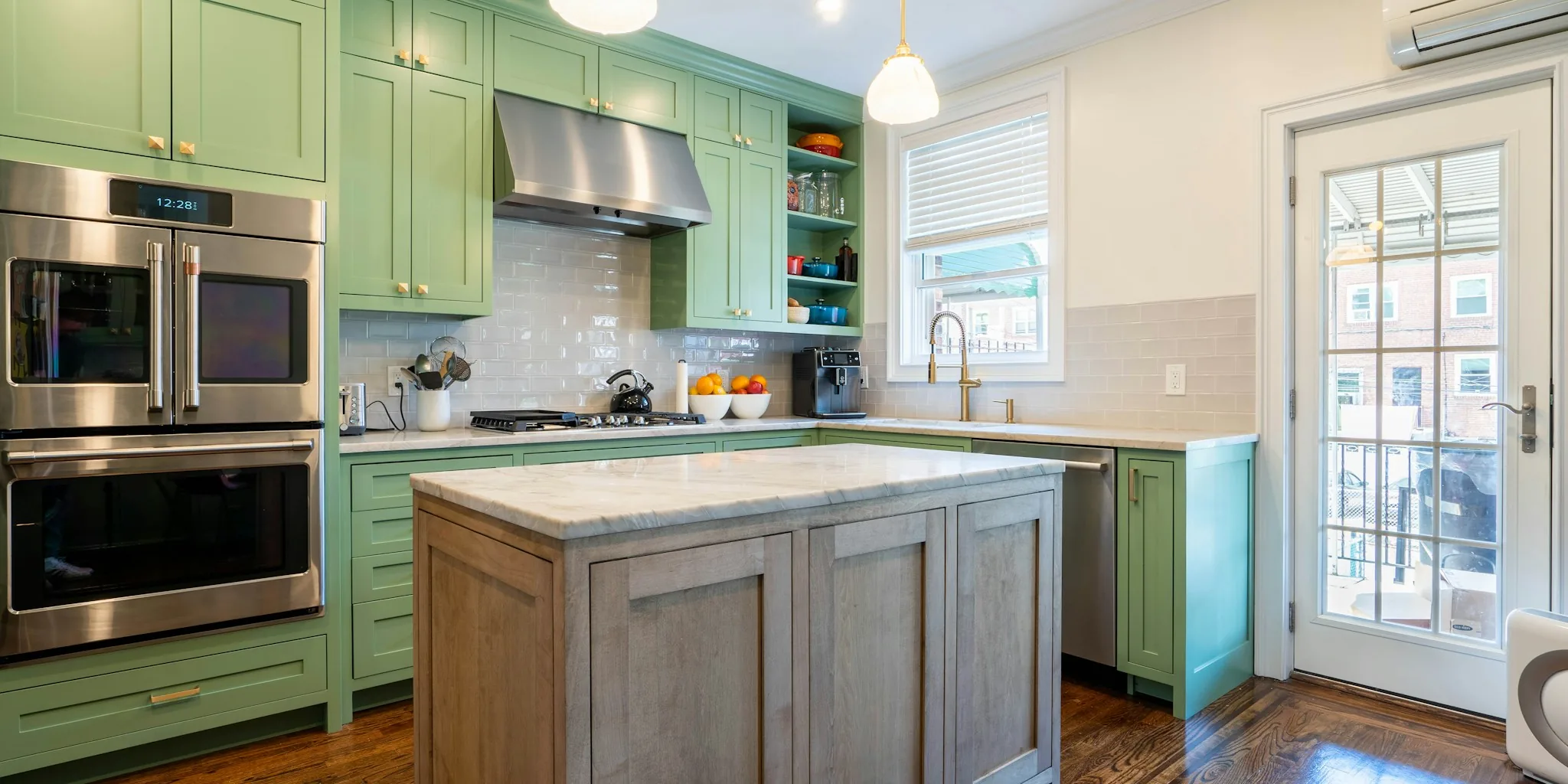

A homeowner recently demonstrated how strategic, low-cost upgrades can transform an outdated kitchen without requiring a full renovation or major expense. The project focused on one primary change that reshaped the entire space: cabinet refinishing paired with targeted lighting updates. This approach offers valuable lessons for anyone considering kitchen improvements on a budget.
The Challenge: Dated 1960s Kitchen Design
Many homes built in the mid-20th century feature original cabinetry that now feels heavy and uninviting. Dark wood cabinets, low ceilings, and dated hardware create a closed-in atmosphere that doesn’t align with modern design preferences. One South Carolina homeowner faced exactly this situation, inheriting a 1960s kitchen with imposing dark wood cabinets and a ceiling fan positioned awkwardly in the center of the workspace, making the room feel even smaller and more cramped than it actually was.
The key insight: when a kitchen feels stuck in the past, sometimes the solution isn’t a complete overhaul. Strategic color choices and lighting adjustments can deliver outsized visual impact. This is particularly relevant for renters or homeowners who want to refresh their space without making permanent structural changes.
The Solution: Two-Tone Cabinet Colors and Ceiling Modifications
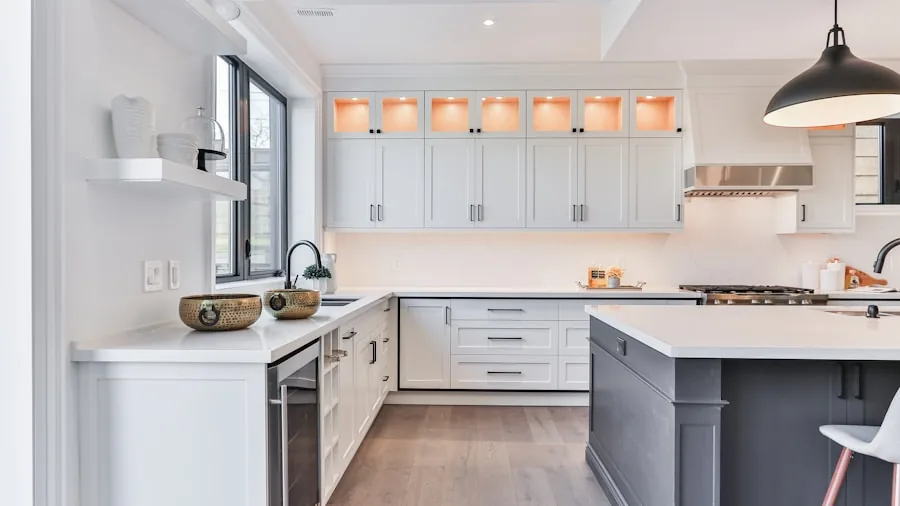
The transformation centered on painting the cabinetry in a two-tone color scheme. Lower cabinets received a deep forest green finish while upper cabinets and walls were painted bright white. This color strategy accomplished multiple goals simultaneously: it added personality to a bland space, created visual interest through contrast, and made the kitchen feel more open and airy.
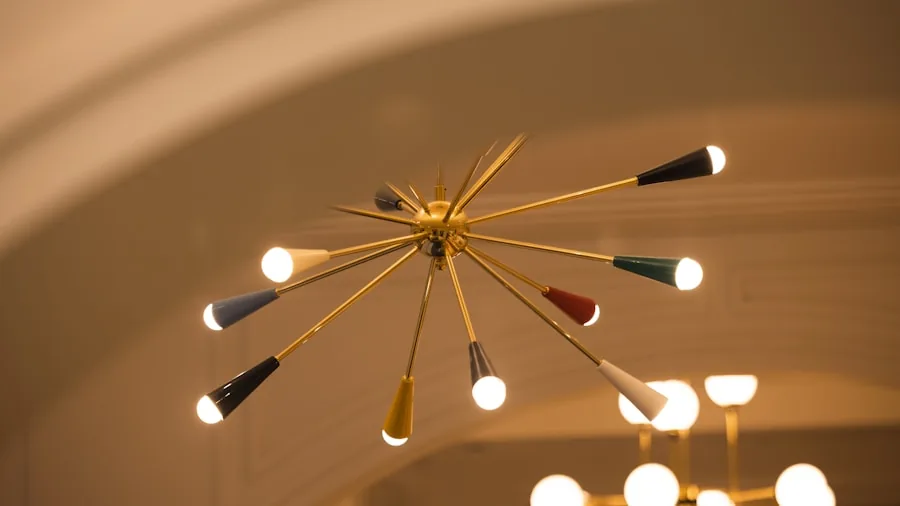
The ceiling fan was relocated from its central, awkward position to a spot adjacent to the cabinet area. In its original location, a low-profile gold ceiling light was installed, which immediately made the room feel taller. The relocated fan was painted to match the green cabinets, creating visual cohesion while serving a practical purpose in managing heat during warm months.
These decisions transformed the kitchen’s mood from heavy and outdated to fresh and inviting. The white upper cabinets reflect light throughout the space, while the green lower cabinets add warmth and character without overwhelming the room. When considering kitchen improvements that maximize both storage and style, homeowners often overlook how simple color choices can enhance functionality alongside aesthetics.
Adding Personality with a Breakfast Nook
To maximize the kitchen’s functionality and appeal, the homeowner created a new breakfast nook in unused corner space. This casual dining area was furnished with a vintage-inspired bistro table and thrifted cane chairs, then styled with plants and artwork. The breakfast nook serves as both a practical dining solution and a design focal point that draws the eye around the room.
This secondary project demonstrates how kitchen improvements extend beyond cabinetry and lighting. Thoughtful space planning and styling choices multiply the impact of your investment. For those learning how to design a kitchen that feels spacious and stylish, recognizing how furniture placement and decor choices influence perceived space is essential.
The Real Cost: Surprisingly Affordable
The entire project cost approximately $400 for paint, supplies, and materials. This budget-conscious approach allowed the homeowner to achieve major visual impact without significant financial investment. For comparison, full kitchen renovations typically cost thousands of dollars and require professional contractors.
This price point makes cabinet painting accessible to a wider audience of homeowners and renters alike. The project is also rental-friendly, as painted cabinets can typically be repainted if you move to a new space, making it an option for those who don’t own their home.
Future Plans and Long-Term Vision
While the current phase focused on cabinetry and lighting, the homeowner plans to eventually tackle additional upgrades including new countertops, sink replacement, updated flooring, and a gas range installation. These larger projects require additional savings and planning, but the completed work demonstrates that kitchen improvement doesn’t need to be an all-or-nothing proposition.
Key Takeaways for Kitchen Shoppers
- Cabinet color significantly impacts how a kitchen feels and functions, often providing more visual payoff than other investments
- Lighting modifications can make rooms feel larger and more inviting with minimal cost
- Two-tone cabinetry creates visual interest while maintaining a cohesive design
- Thrifted and budget-friendly furnishings allow you to add personality without overspending
- Phased renovation approaches let homeowners spread costs over time while still achieving meaningful results
For anyone considering kitchen updates, this project proves that transformation doesn’t require expensive renovations or professional contractors. Strategic color choices, thoughtful lighting changes, and creative space planning deliver impressive results on a modest budget. The key is identifying which single elements will create the biggest impact, then executing that vision with quality paint and careful attention to detail. Starting small builds confidence for future projects while immediately improving your daily kitchen experience.




Write Your Review
No reviews yet. Be the first to share your experience!