
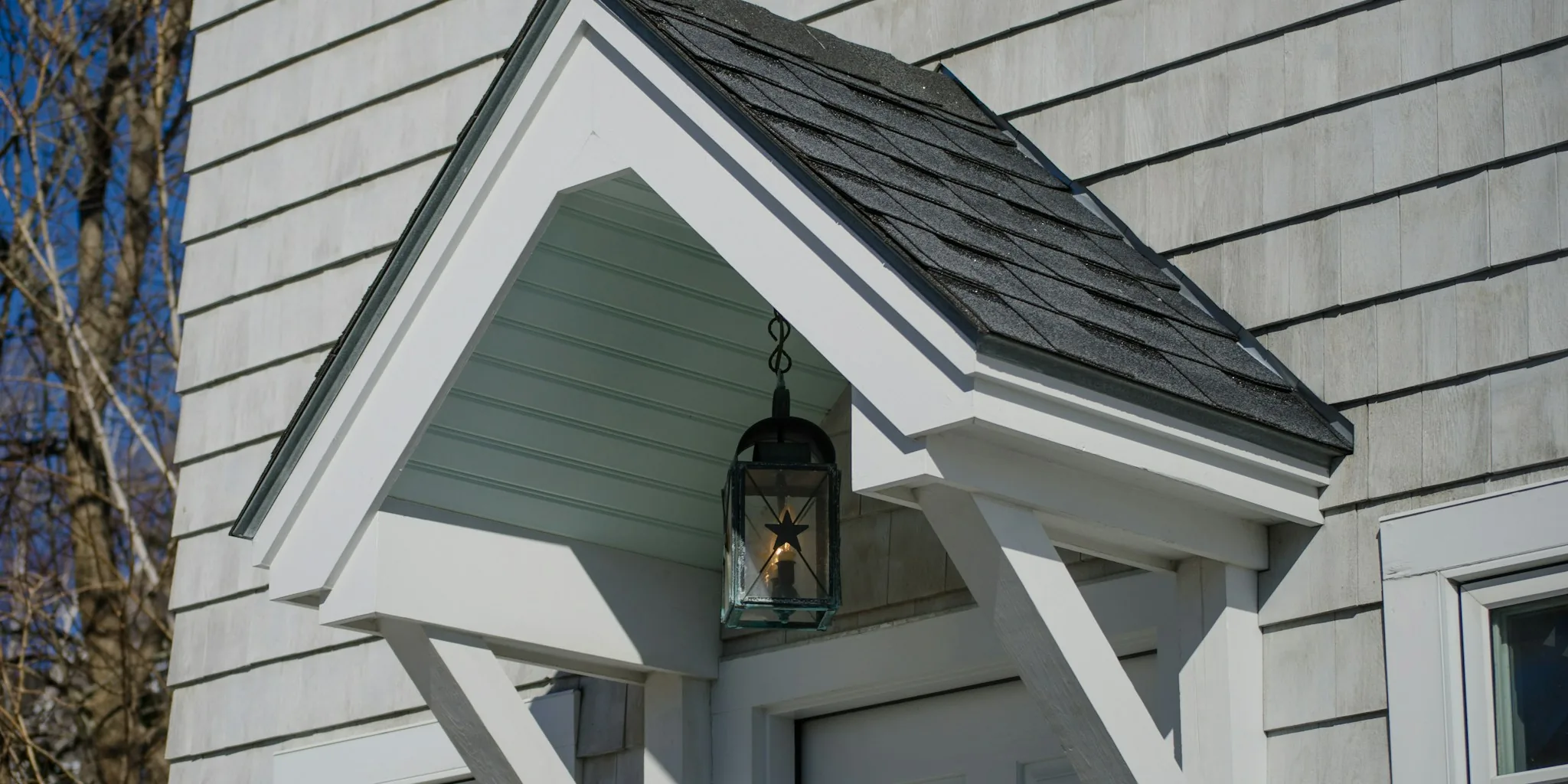

When homeowners decide to add a front porch to an existing home, the project often seems straightforward. However, structural realities can quickly complicate the design, particularly when the new roof needs to connect with the existing home’s roofline. Understanding these challenges upfront can save you time, money, and design headaches down the road.
The Roof Height Problem
A common issue arises when a porch addition cannot easily align with the existing roof structure. For homeowners with colonial-style homes built in the 1980s and earlier, the garage roof height, eave placement, and cornice details often create constraints that make a simple, straightforward porch addition impossible. When your new porch roof needs to transition smoothly into the existing roofline, but the height doesn’t match up, you face three main options, each with different cost and aesthetic implications.
Three Design Solutions for Roof Conflicts
The first approach is to simply stop the porch short of the garage or problematic area. This means designing the porch to end before it reaches the section where the roof height conflict occurs. While this solution avoids major structural changes, it may create an awkward architectural appearance or limit the covered area you can protect from weather.
The second option involves modifying the existing cornice and roof line to create clearance for the new porch roof to pass underneath. This typically means cutting back or partially rebuilding sections of the existing roof structure and trim. This approach requires careful planning to maintain proper water drainage, especially in climates with significant snow loads. Flashing mistakes during this type of modification can lead to serious water damage problems, so professional guidance is essential.
The third option is to create an intentional open metal valley where the new porch roof meets the garage roof. Rather than trying to hide or eliminate the transition, this method embraces it as a design feature. A properly installed metal valley with appropriate ice barriers and drainage can function effectively while creating visual interest. This solution often works well for homeowners in regions with heavy snow loads, as the open design helps prevent ice dam buildup.
Snow Load and Climate Considerations
The climate where you live significantly impacts which solution makes sense. Homes in areas experiencing ground snow loads of 25 pounds per square foot or higher require extra attention to roof transitions and drainage. When snow and ice accumulate on a roof, water backup at poorly designed transitions can cause leaks inside the walls and attic spaces. This is why roof repair costs continue to climb nationally, with homeowners facing billions in damage annually. Proper ice barriers and metal flashing become non-negotiable investments in cold climates.
What Shoppers Should Know Before Starting
Before committing to a porch addition design, have a professional contractor or architect evaluate your roof configuration and local snow load requirements. This assessment should inform which solution will work best for your property. The least expensive option upfront may not save money in the long run if it leads to water damage or ice dam problems.
When planning a porch addition, budget for quality materials like ice and water barriers, proper flashing, and metal valleys if needed. These components protect your entire home’s structural integrity. Request detailed drawings showing exactly how the new roof will transition to the existing roof, including drainage paths and ice barrier placement.
Finally, verify that your chosen solution complies with local building codes. Building departments often have specific requirements for roof transitions, snow load calculations, and ice dam prevention. Getting approval during the planning phase prevents expensive changes later during construction.
Taking Action
A front porch addition can enhance your home’s curb appeal and functionality, but only if the roof design accounts for your home’s existing structure and your climate’s weather demands. Whether you choose to modify the existing roof, stop short of the conflict area, or embrace a visible metal valley transition, the key is planning thoroughly with professional guidance. Your investment in getting the roof details right protects your home from water damage and ensures the porch performs well for decades to come.




Write Your Review
No reviews yet. Be the first to share your experience!