


Understanding the Silverfish Problem in Your Bathroom
Finding silverfish in your bathtub or shower is far more common than you might think, and while these small, shiny insects are generally harmless, they can certainly unsettle homeowners who encounter them. Silverfish thrive in bathroom environments because these spaces offer everything the pests need to survive: darkness, moisture, and warmth. Understanding why silverfish appear in your bathroom is the first step toward eliminating them and preventing future infestations that could potentially damage paper products and fabrics over time.
These nocturnal creatures are most active at night, which explains why you might spot one scurrying around your tub just as you’re preparing for an evening soak. Despite their name, silverfish do not actually live in water and rarely inhabit drains. When you find one in your bathtub, it has likely wandered in searching for moisture or food, with its actual hiding spots typically located in nearby bathroom drawers, cabinets, or closets where conditions are similarly dark and humid.
Why Bathrooms Attract Silverfish

Bathrooms provide an ideal habitat for silverfish because they combine multiple attractants in one confined space. These pests are drawn to dark, moist, and warm environments, but they also seek out areas where mold growth occurs and where cardboard or paper products are stored. The typical bathroom has all of these conditions in abundance, making it a perfect sanctuary for silverfish to settle in and potentially multiply if left unchecked.
Beyond their preference for moisture, silverfish will feed on unexpected items that many shoppers don’t realize are on the pest’s menu. Paper products like toilet paper, cardboard boxes, and even wallpaper can serve as food sources, which means your bathroom storage habits directly influence whether silverfish find your space appealing. Additionally, mold and mildew growth, which naturally occurs in humid bathrooms, also attract these insects and provide them with sustenance.
Taking Action: Removal and Prevention Strategies
The most effective way to eliminate silverfish from your bathroom is to remove the conditions that make your space attractive to them in the first place. Start by conducting a thorough cleaning and organization of your bathroom cabinets, drawers, and closets. Vacuum shelves carefully to remove dust, shed insect skins, and any live silverfish you can capture. This deep cleaning also helps you assess what items are actually stored in these spaces and whether they might be attracting pests.
Store paper products strategically to discourage silverfish infestations. Keep toilet paper and other packaged items in tightly sealed bins rather than leaving them exposed on open shelves. This simple change removes a primary food source that silverfish actively seek out. When you’re redesigning your bathroom storage solutions, consider not just aesthetics but also how different organizational systems can help protect your belongings from pests.
Moisture Control as Your Primary Defense
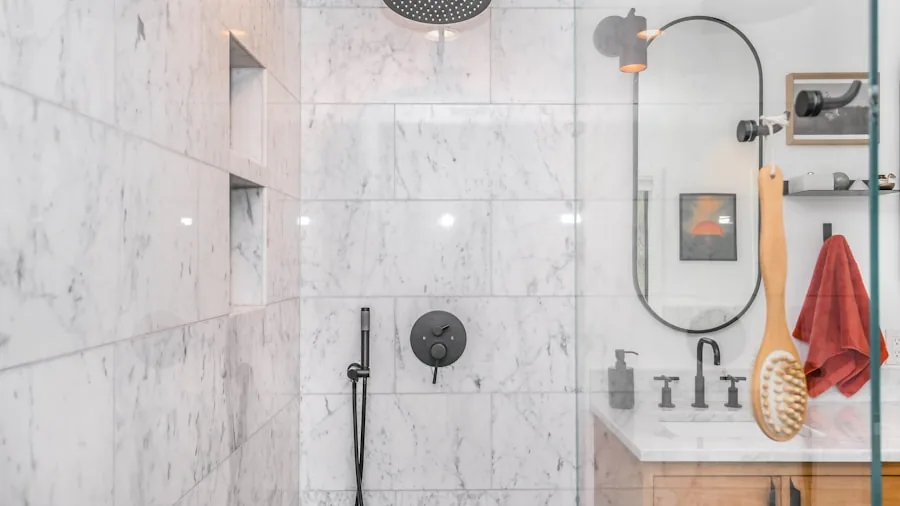
Reducing bathroom humidity is one of the most effective ways to make your space inhospitable to silverfish. After every shower or bath, use your ventilation fan or open a window to release accumulated steam. This single habit significantly reduces the moisture that silverfish need to thrive. For serious infestations, you might need to wipe down shower walls after each use to prevent moisture from accumulating on surfaces.
Preventing mold and mildew growth serves the dual purpose of eliminating another food source for silverfish while also improving overall bathroom cleanliness and health. A dry, clean bathroom is naturally less appealing to these pests. Consider how your shower design and curtain choices affect airflow and moisture retention in your bathroom space.
Additional Control Methods
If preventive measures alone aren’t resolving your silverfish problem, you have several additional options available. Glue traps can be effective but raise ethical concerns since they may harm small animals like mice or newts that could become stuck. A more compassionate alternative involves using essential oils with fresh, appealing scents that repel silverfish while leaving your bathroom smelling pleasant. These natural solutions align well with modern bathroom design trends that emphasize natural and sustainable approaches.
The key to long-term silverfish prevention is maintaining a clean, dry, organized bathroom where these pests find nothing to eat and nowhere comfortable to hide. By combining regular cleaning habits with moisture control and smart storage practices, most homeowners can eliminate silverfish problems without resorting to harsh chemicals or inhumane traps. Taking action as soon as you spot your first silverfish prevents the small problem from becoming a larger infestation down the road.





Write Your Review
No reviews yet. Be the first to share your experience!