
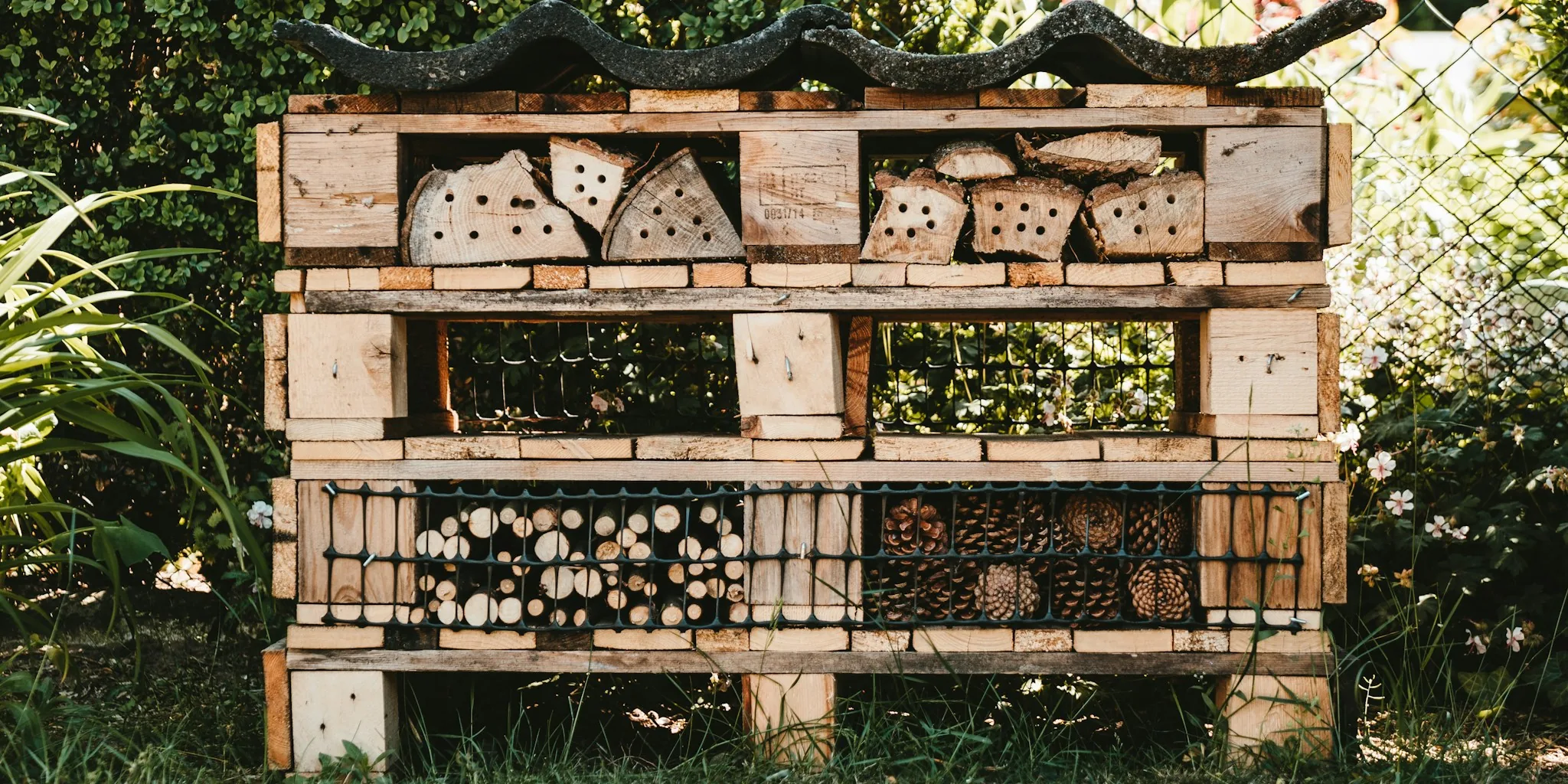

Shoppers Can Give Cardboard Tubes a Second Life While Supporting Local Bees
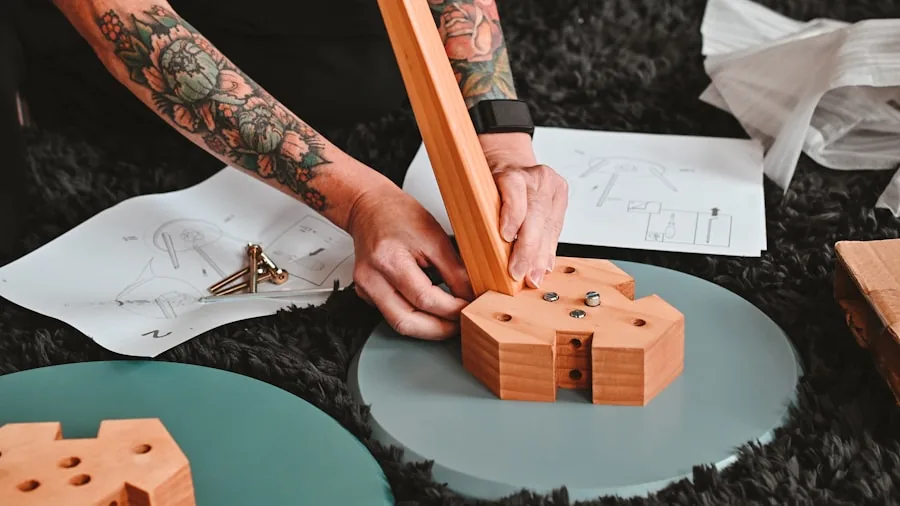
Before you toss that empty toilet paper roll into the recycling bin, consider this: it could become a safe habitat for solitary bees in your garden. A growing number of homeowners are discovering that simple household items like cardboard tubes can be transformed into functional bee hotels, which provide nesting spaces for pollinators while reducing waste. This DIY approach not only benefits your local ecosystem but also gives you a creative way to repurpose materials you already have on hand.
Why Solitary Bees Need Shelter
Unlike honeybees that live in large colonies, solitary bee species nest individually and depend on finding suitable cavities and protected spaces to lay eggs and raise offspring. In modern landscapes with fewer natural hollow stems and dead wood, these bees struggle to locate safe nesting sites. A toilet paper roll bee hotel fills this gap by offering a secure, weather-protected environment where bees can establish nests without competing with predators or exposure to harsh elements. The hollow center of the tube naturally mimics the kind of small tunnels bees seek in nature.
What You Need to Build Your Bee Hotel
The materials list is straightforward and budget-friendly. Start with one or more empty toilet paper rolls and protective coating options such as waterproof tape, natural wax, or acrylic paint. The coating step matters because it extends the lifespan of your bee hotel and prevents the cardboard from breaking down too quickly in the weather. You will also need hollow materials like bamboo canes or plant stems to fill the interior, which give bees places to tunnel and nest. Aluminum foil or cloth covers the back end to block parasites and unwanted pests. For hanging, gather string or identify a suitable tree branch notch where your hotel can rest securely.
Step-by-Step Construction Guide
Begin by wrapping your toilet paper rolls with protective tape or applying decorative paint to shield them from rain and sun damage. Next, cut your hollow plant stems or bamboo pieces so they are slightly shorter than the toilet roll itself, which helps keep the interior protected from precipitation and intense heat. Slide these hollow segments into the tube, packing them snugly together. Finally, secure a piece of foil or cloth to one end using tape or a rubber band. This covering prevents parasitic insects from entering the back of the nesting tubes while still allowing bees to move freely through the front opening.
Once assembled, positioning your bee hotel correctly makes a real difference in its success. Hang your hotel approximately five feet above the ground using string, or nestle it into a tree branch where it is protected from ground-dwelling predators. The opening should face toward the southeast when possible, allowing morning sunlight to warm the hotel while protecting bees from the intense afternoon sun. This orientation helps regulate temperature and encourages bee activity during the cooler parts of the day.
Interestingly, this type of DIY project connects well with other ways homeowners are improving their bathroom and garden spaces. Just as creative repurposing of household items can enhance bathroom storage, turning cardboard tubes into pollinator habitats demonstrates how everyday products serve multiple purposes.
Maintenance and Long-Term Care
To keep your bee hotel functioning well, plan to replace it every couple of years. Old nesting tubes can accumulate residue, disease, and parasites that harm future generations of bees. When you decide to retire an old hotel, leave it on the ground for an entire year before disposing of it. This waiting period allows any bees still inside to emerge and find new homes naturally. You can then build a fresh hotel and continue supporting your local pollinator population.
For homeowners interested in broader improvements to their bathroom and outdoor spaces, exploring options like space-saving wall-mounted toilet designs can free up room for garden features. Similarly, those considering upgrades might investigate modern toilet innovations that reduce water waste, aligning with the same conservation mindset that drives pollinator support initiatives.
The Broader Impact for Shoppers and Communities
This project demonstrates that environmental stewardship does not require expensive purchases or complex construction skills. By using materials destined for the trash, you actively participate in waste reduction while creating habitat for creatures essential to food production and ecosystem health. Solitary bees pollinate vegetables, fruits, and flowering plants that grocers stock and gardeners cultivate. Supporting these insects through simple projects like bee hotels strengthens local food systems and biodiversity at no cost beyond effort and creativity.
Whether you are an experienced gardener or simply looking for a meaningful weekend project, building a bee hotel from toilet paper rolls offers immediate satisfaction and measurable environmental benefit. Start with one hotel this season, observe the bees that arrive, and expand your efforts next year. Your empty cardboard tubes are ready for their second act as protectors of pollinators.
Write Your Review
No reviews yet. Be the first to share your experience!