
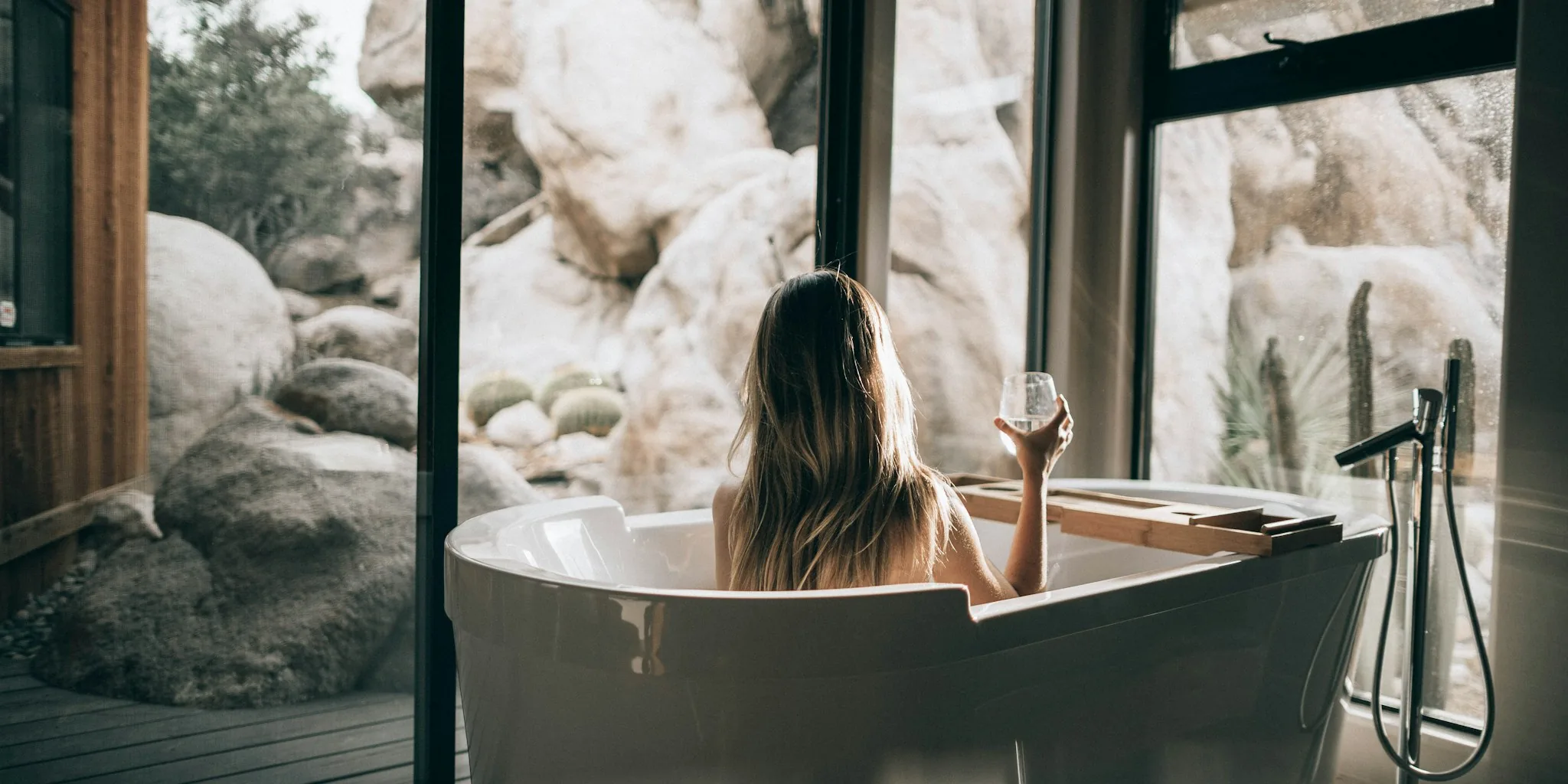

Homeowners searching for a way to add spa-like luxury to their bathrooms without breaking the bank are increasingly turning to do-it-yourself soaking tub projects. What was once an exclusive option reserved for high-end renovations is now accessible to budget-conscious consumers willing to invest time and basic carpentry skills. As Japanese-style soaking tubs, traditionally priced between $2,000 and $4,000, continue to dominate the luxury bath market, a growing number of DIYers are discovering that common, affordable materials can deliver the same relaxation and wellness benefits at a fraction of the retail cost.
The appeal of soaking tubs, known as ofuro in Japanese tradition, stems from their unique design and proven health advantages. Unlike standard bathtubs designed for full-body bathing with shower functionality, these deeper, shorter vessels are engineered exclusively for immersive soaking. Users can submerge their entire body, which promotes muscle relaxation, reduces stress, and improves blood circulation. The minimalist aesthetic and compact footprint also make soaking tubs ideal for smaller bathrooms or outdoor spa spaces where traditional tubs would consume too much room.
For DIY builders looking to construct their own soaking tub, the material choices are surprisingly diverse and accessible. Traditional ofuro tubs use hinoki or cedar wood, but budget-friendly alternatives include plywood, reclaimed lumber, or tongue and groove pine. Some builders even experiment with stainless steel for a modern twist on the classic design. A rectangular shape with straight cuts proves far easier to construct than circular models, making it the logical choice for first-time builders. The critical factors are selecting materials thick and durable enough to withstand constant moisture exposure and ensuring the finished tub is deep enough, typically around 2 feet, to deliver the full soaking experience.
The construction process begins with careful measurement and cutting of side panels, typically sized around 2 feet wide by 4 feet long by 2 feet high. Exterior-rated wood glue bonds the horizontal and vertical panels together, with additional reinforcement from a nail gun ensuring structural integrity. After the frame cures, builders apply wood stain to add color and waterproofing to the exterior surface. The most crucial step involves coating the interior with epoxy resin, which can be smoothed with a blowtorch to eliminate air bubbles, then allowing adequate curing time to ensure complete water tightness. A final protective layer of clear, water-based spar urethane with exterior rating seals the entire tub.
The cost advantage of a DIY project is substantial. A basic soaking tub using readily available materials typically costs only a few hundred dollars to construct. However, additional expenses arise if builders decide to integrate a permanent water source with plumbing connections, valves, and professional installation services. The choice of wood material also affects long-term maintenance requirements. While softwoods like pine are economical, they resist moisture less effectively than premium options like hinoki, cedar, or teak. Builders using pine must reapply protective spar urethane finish annually to ensure durability and prevent rot.
For shoppers considering this project, several practical considerations merit attention. Budget bath pillows beat expensive tub upgrades for those seeking comfort enhancements without major construction. Those interested in premium alternatives should evaluate all available options before committing. Stone tubs offer luxury with serious trade-offs that differ significantly from wood-based soaking vessels. If plumbing integration appeals to you, jetted bathtubs that turn your bathroom into a personal spa represent another path to luxury soaking without the DIY commitment.
The rising popularity of DIY soaking tub projects reflects a broader consumer trend toward customization and cost-consciousness in home renovation. Rather than accepting the limited options and premium pricing of mass-produced soaking tubs, homeowners now have the tools and information needed to create personalized spa experiences tailored to their specific space and budget constraints. With proper material selection and careful construction techniques, a homemade soaking tub can deliver decades of reliable performance and daily wellness benefits. For anyone seeking to transform their bathing routine into a therapeutic ritual without the luxury price tag, a DIY soaking tub project presents an achievable and rewarding solution.

Write Your Review
No reviews yet. Be the first to share your experience!