
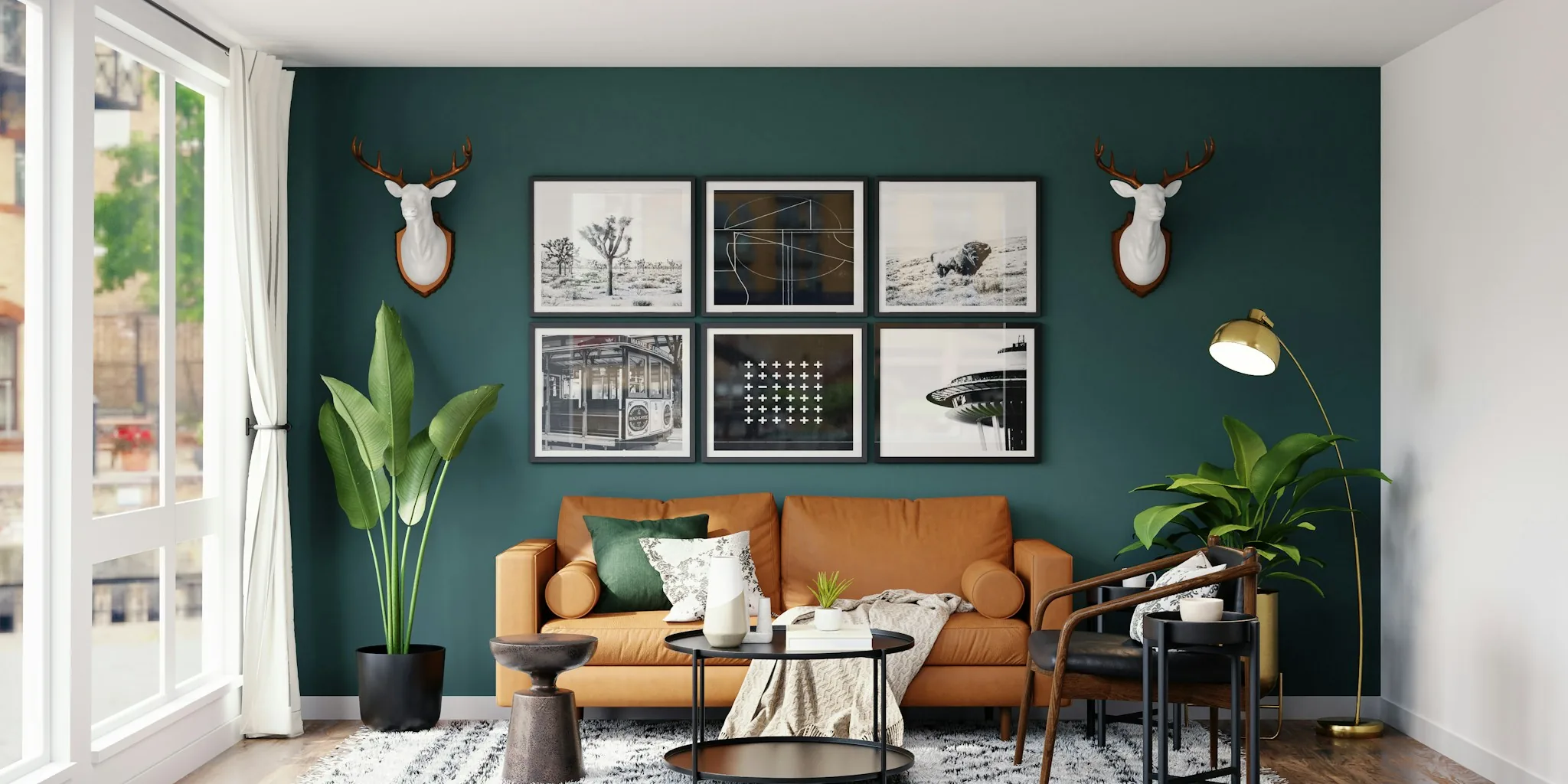

Sherwin-Williams has unveiled a new premium interior paint formulation that addresses growing consumer demand for environmentally responsible home products. The company’s latest offering, Emerald Symmetry, incorporates at least 22% bio-based carbon content derived from renewable plant sources rather than fossil fuels. This development marks a significant step in the paint industry’s shift toward sustainable materials without sacrificing performance.
The introduction of Emerald Symmetry comes at a time when more homeowners are evaluating the environmental impact of products they bring into their homes. Traditional interior paints rely heavily on petroleum-based ingredients, contributing to both manufacturing emissions and indoor air quality concerns. By incorporating plant-derived components, Sherwin-Williams demonstrates that sustainability and functionality can coexist in premium interior paint products.
How Plant-Based Interior Paint Performs in Real Applications
Performance testing reveals that the environmental benefits of Emerald Symmetry don’t come at the expense of quality. When compared directly with Sherwin-Williams’s established Emerald Interior Acrylic Latex paint on actual home projects, Symmetry demonstrated comparable or superior results. The paint loaded smoothly onto brushes and rollers, flowed evenly across surfaces, and created a clean, uniform finish.
Key performance advantages observed during testing include excellent color accuracy, consistent sheen appearance, and superior coverage compared to conventional latex formulations. Additionally, the low-VOC (volatile organic compound) composition means minimal odor during application, a significant benefit for homeowners painting interior spaces where family members and pets remain present. For painters using professional-grade paint rollers for smooth results, the paint’s smooth flow characteristics ensure efficient application and reduced waste.
Understanding the Cost and Value Proposition
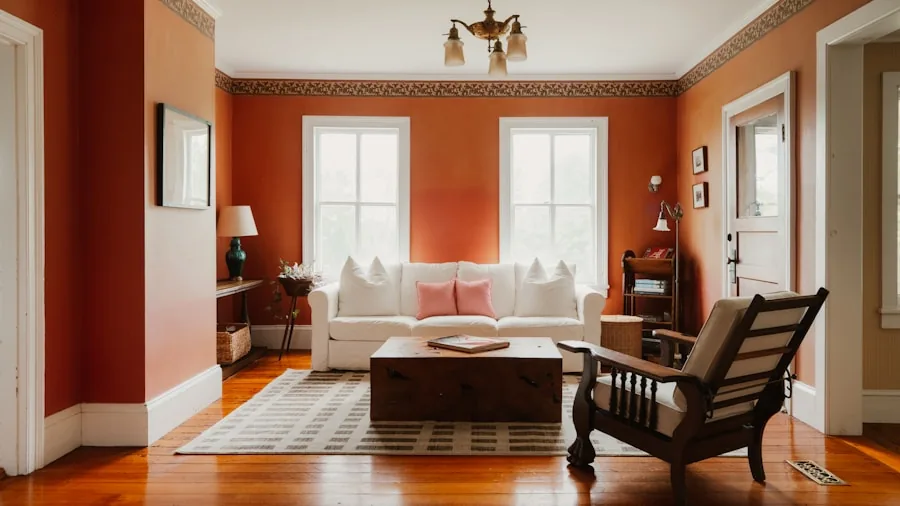
The premium nature of Emerald Symmetry is reflected in its pricing structure. At approximately $126 per gallon, this interior paint commands a significant premium over standard latex options. However, the investment may provide returns through improved coverage rates, meaning homeowners may require fewer coats to achieve desired results on their walls.
When evaluating the cost-per-square-foot of coverage rather than merely the per-gallon price, the actual premium becomes less dramatic. Superior coverage means that purchasing the higher-priced product might result in comparable or lower total project costs compared to budget alternatives requiring multiple applications. For homeowners committed to reducing their environmental footprint during renovation projects, the premium pricing aligns with the added value of plant-based formulation and enhanced performance characteristics.
What Plant-Based Carbon Content Means for Shoppers
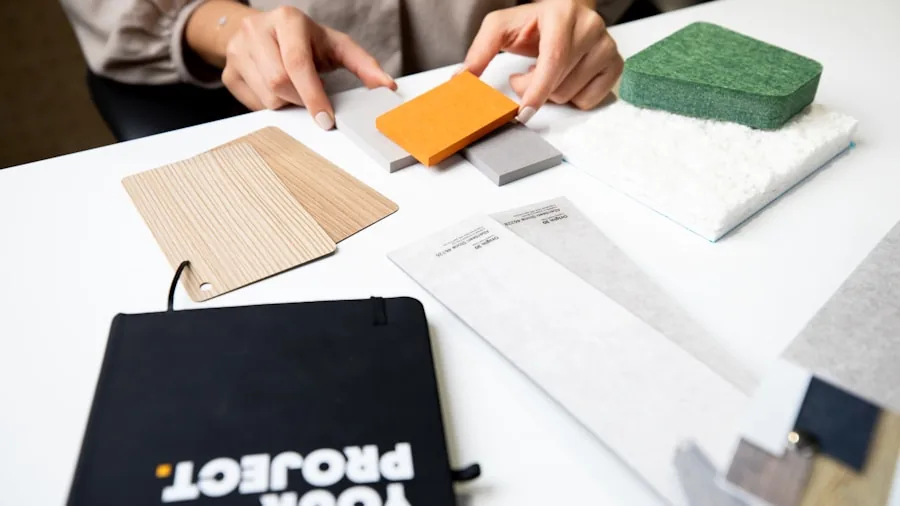
The 22% minimum plant-based carbon content represents the portion of the paint’s chemical composition derived from renewable agricultural sources rather than crude oil extraction. This percentage applies before colorants are added, meaning the natural formulation forms the core of the paint product itself. Understanding this specification helps consumers verify that they’re purchasing genuinely sustainable products rather than conventionally manufactured paints with added green marketing language.
For homeowners tackling interior renovation projects, this development opens new possibilities for aligning personal values with purchasing decisions. Whether preparing rooms for professional paint application with advanced sprayer technology or handling the work personally, the availability of high-performance sustainable options removes previous trade-offs between environmental responsibility and quality results.
The Broader Impact on Interior Paint Options
As major manufacturers invest in plant-based formulations, the availability and pricing of sustainable interior paint products should gradually improve. Consumer demand signals that homeowners prioritize environmental considerations alongside traditional performance metrics. This shift encourages industry-wide innovation in developing renewable chemical sources and improving manufacturing processes to reduce overall carbon footprints.
The introduction of products like Emerald Symmetry suggests that premium interior paint is increasingly defined not just by coverage and durability, but by the production methods and material sourcing behind the product. Homeowners now have concrete evidence that selecting environmentally conscious paint options doesn’t require accepting inferior results or compromised durability. This shift represents meaningful progress in making sustainable home improvement choices accessible and practical for everyday homeowners managing renovation budgets and timelines.




Write Your Review
No reviews yet. Be the first to share your experience!