

What Is the Replacement Rule and How Does It Work?
Kitchen cabinets have a way of collecting items that linger long past their usefulness. Face masks from years ago, wine glasses you never use, expired condiments, and gadgets that don’t quite work properly all pile up, taking valuable space and creating frustration every time you open the door. A simple yet powerful decluttering strategy called the replacement rule offers a straightforward solution to this problem.
The replacement rule operates on a single, honest question: if an item broke or went missing tomorrow, would you actually replace it? This isn’t about whether the item is technically useful or appears to be in decent condition. Instead, it forces you to confront whether something genuinely matters enough to your daily life that you’d purchase it again. If your honest answer is no, that item is a candidate for removal.
The beauty of this method lies in its simplicity and effectiveness. Many people hold onto kitchen clutter due to guilt, vague future plans, or the sunk cost of having purchased something in the first place. The replacement rule cuts through that emotional attachment by asking a practical question: does this have real value to me moving forward? If not, letting it go becomes easier.
Real Results: One Kitchen Cabinet Transformation

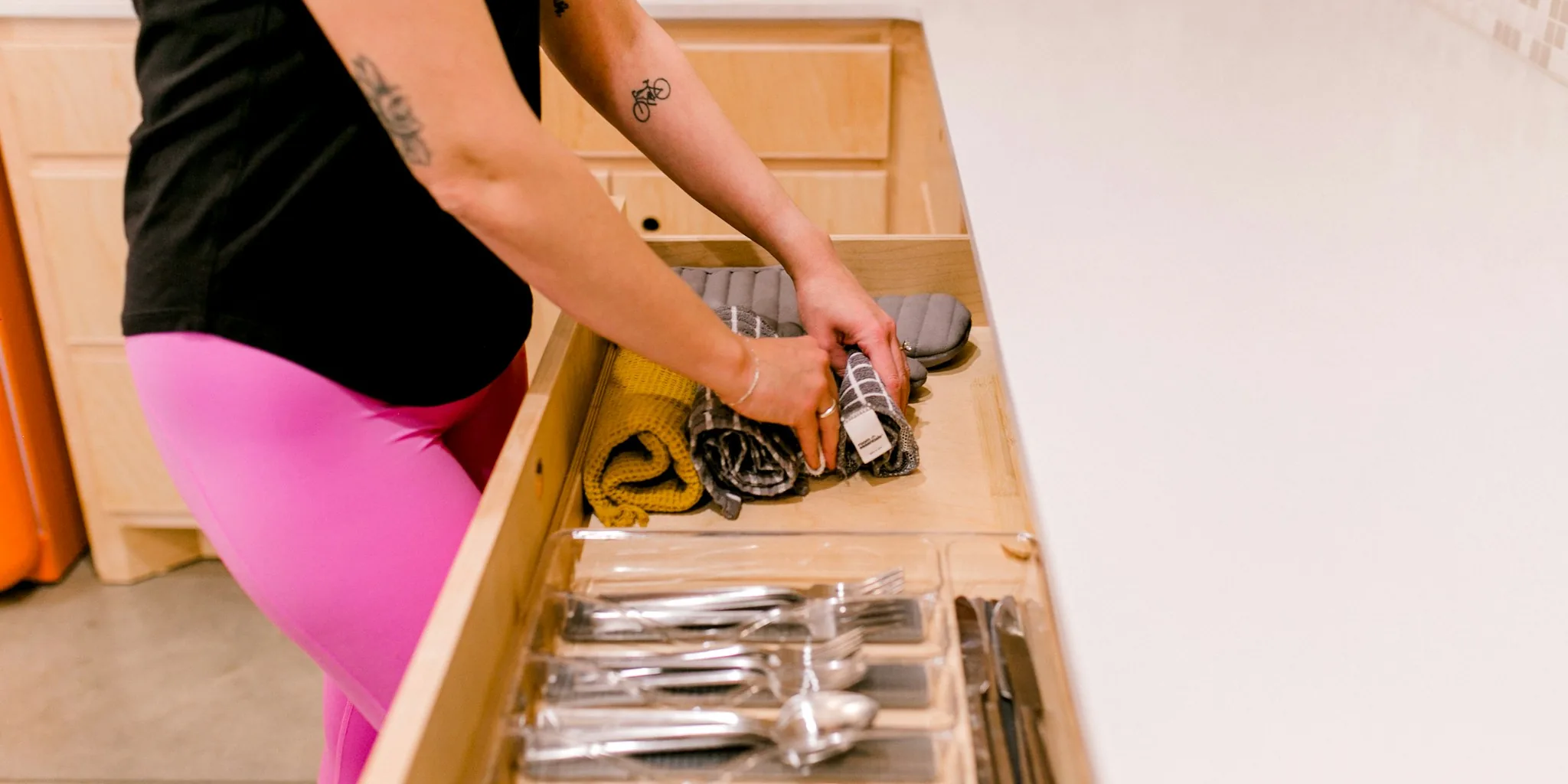
A recent test of this method on a typical kitchen cabinet yielded impressive results. The person tackling the project expected significant resistance to letting items go, but the replacement rule made the process surprisingly manageable.
The first discovery was an overwhelming collection of face masks accumulated during the pandemic years. While keeping a few masks on hand made sense for occasional use, the dozens stored in the cabinet clearly exceeded any realistic need. Since the person wouldn’t bother replacing them if they disappeared, out they went, freeing up considerable cabinet real estate.
Next was a non-functional lint brush that had been stored alongside a roller that actually worked well. The broken tool had no place in the kitchen, especially when a better alternative already existed. Removing it was an easy decision using the replacement rule.
Plastic wine cups also made the cut for removal. The person rarely entertained and didn’t drink often at home. The likelihood of needing to replace those cups was virtually zero, making them prime candidates for decluttering. What might seem like useful items for some households were simply taking up space in this one.
As you think about organizing your own kitchen, remember that creating functional storage goes beyond just clearing clutter. Kitchen nook makeovers and easy upgrades can transform your entire dining space once you’ve eliminated unnecessary items and regained control of your storage.
Why This Method Works So Well

The replacement rule succeeds because it removes emotion from the decluttering equation. Instead of wrestling with guilt about wasted money or imaginary future scenarios, you’re making a clear-eyed assessment of real value. This practical approach means you’re not second-guessing yourself throughout the process.
The speed of the method also builds momentum. The test cabinet was completely decluttered and reorganized in just 15 minutes, though larger spaces might require more time. That quick initial success often energizes people to tackle additional cluttered areas throughout their home, creating a snowball effect of improvement.
Another advantage is that the replacement rule respects your actual lifestyle. It acknowledges that one person’s essential kitchen item is another person’s clutter. There’s no judgment built into the system, just honest reflection about what serves your specific household.
Making This Method Work for Your Kitchen
When applying the replacement rule to your own kitchen, approach it without self-criticism. The worst possible outcome is that you keep everything exactly as it is, leaving you no worse off than before. Many people find this permission to proceed without guilt makes the entire process less intimidating.
It’s also worth noting that the replacement rule might not work equally well for every area or every person. Some kitchen owners might find it more valuable for certain cabinets or drawers than others. Modern storage solutions like compact refrigerators can also help maximize kitchen functionality once you’ve clarified what items you genuinely need.
Start with one cabinet, drawer, or shelf rather than attempting a complete kitchen overhaul. This focused approach helps you build confidence in the method and understand how it applies to your specific situation. You might discover that certain areas of your kitchen respond better to this technique than others.
The replacement rule ultimately gives you permission to release items that no longer serve a purpose in your kitchen. Once you’ve created this cleaner foundation, you’re ready to explore kitchen design trends that align with your actual needs and lifestyle. With your cabinet space cleared, you’ll find organization becomes simpler and your kitchen more functional overall.






Write Your Review
No reviews yet. Be the first to share your experience!