
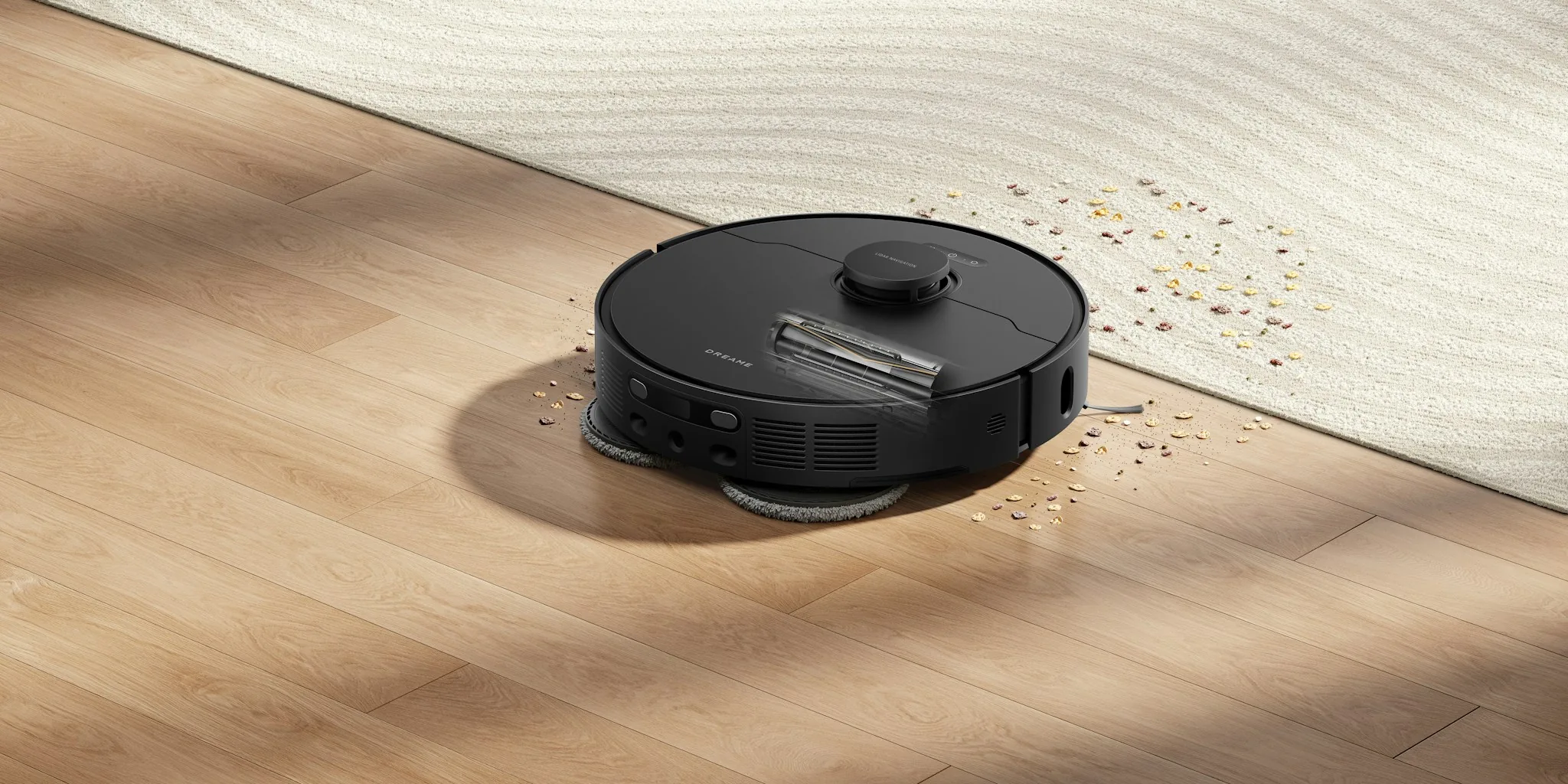

iRobot has introduced a bold new approach to robot vacuum design at IFA 2026 in Berlin, moving away from the traditional single-unit model that forces shoppers to compromise between cleaning power and accessibility. The company’s new Roomba Duo concept features two specialized robots working in tandem, designed to solve a longstanding problem that has plagued the industry: how to deliver both deep cleaning performance and the ability to reach tight spaces under low furniture.
The Problem Robot Vacuums Have Always Had
Robot vacuum shoppers have traditionally faced an uncomfortable trade-off. Heavy-duty wet-dry models deliver impressive scrubbing force to handle tough, sticky messes, but their substantial frames cannot squeeze under sofas, beds, or other low-clearance furniture. Conversely, slim robot vacuums glide effortlessly beneath these spaces but lack the power to do more than pick up light dust and debris. This design constraint has meant that most households end up compromising on either cleaning thoroughness or complete floor coverage.
How the Duo Concept Works

Rather than attempting to cram two distinct functions into a single robot, iRobot’s Duo splits the workload between two complementary devices. The primary unit functions as a dedicated floor washer equipped with a roller mop that applies 4.7 kilograms of downward pressure. It also includes an internal heater that pre-treats surfaces with steam before the mop makes contact. When the main robot encounters narrow gaps or furniture with minimal clearance, a mechanical arm deploys a compact secondary unit called the Roomba Plus 575 Combot Robot, which stands just 8.35 centimeters tall. This smaller companion uses an extending mop pad to scrub along baseboards and into tight corners that the larger unit cannot access.
Both robots share a unified floor map within the Roomba Home app and employ LiDAR and AI-powered obstacle detection for seamless navigation and coordination. After their cleaning cycle completes, both units return to a single unified base station that handles dirty water drainage, mop washing with heated air, and automatic dustbin emptying. This integrated approach means shoppers won’t need to manage multiple charging docks or maintenance routines.
What This Means for the Robot Vacuum Market
The Duo prototype debuted alongside two conventional robot vacuums at the Berlin tech show, including the flagship Roomba Max 875 and the mid-range Roomba Plus 678. These traditional puck-shaped models incorporate high suction power and extendable mops to compete with rivals such as Dreame and Roborock. However, the Duo represents a significantly more experimental direction for the company. By distributing heavy scrubbing duties and tight-space access responsibilities across two specialized machines, iRobot is betting that two units working together will deliver superior results compared to a single machine attempting to do everything equally well.
This multi-robot approach addresses a genuine frustration many shoppers have experienced. Customers purchasing premium robot vacuums often still need to supplement them with manual cleaning tools or smaller spot-cleaning devices to maintain their homes adequately. The Duo concept could eliminate that need by automating both types of cleaning simultaneously. As robot vacuum technology continues to advance, manufacturers are finding that specialized design rather than all-in-one compromise may represent the future.
Current Availability and Future Plans

It is important to note that iRobot has not announced any timeline for bringing the Roomba Duo to consumer market. The prototype currently exists as a concept demonstrator at IFA 2026, offering researchers and industry observers a compelling glimpse into where the company believes robot vacuum technology may be headed. Competition in the robot vacuum space remains fierce, with multiple manufacturers exploring innovative solutions to meet evolving consumer expectations.
For shoppers currently evaluating robot vacuum options, this announcement signals that major manufacturers are actively rethinking fundamental design assumptions. While the Duo concept is not available for purchase today, it demonstrates that iRobot is committed to moving beyond traditional limitations. Customers who have struggled with the performance-versus-access dilemma should stay informed about future product developments, as innovations demonstrated at industry events like IFA often preview features that eventually reach mainstream products within one to three years.
What Shoppers Should Consider Now
Until the Duo or similar dual-robot solutions become commercially available, shoppers must continue making informed choices among existing models. The key is understanding your specific cleaning needs: whether you prioritize deep cleaning power, access to narrow spaces, or whether you would benefit from a solution that handles both equally well. Keeping track of emerging technologies like the Roomba Duo can help you make decisions about whether to purchase now or wait for the next generation of robot vacuum innovations.




Write Your Review
No reviews yet. Be the first to share your experience!