
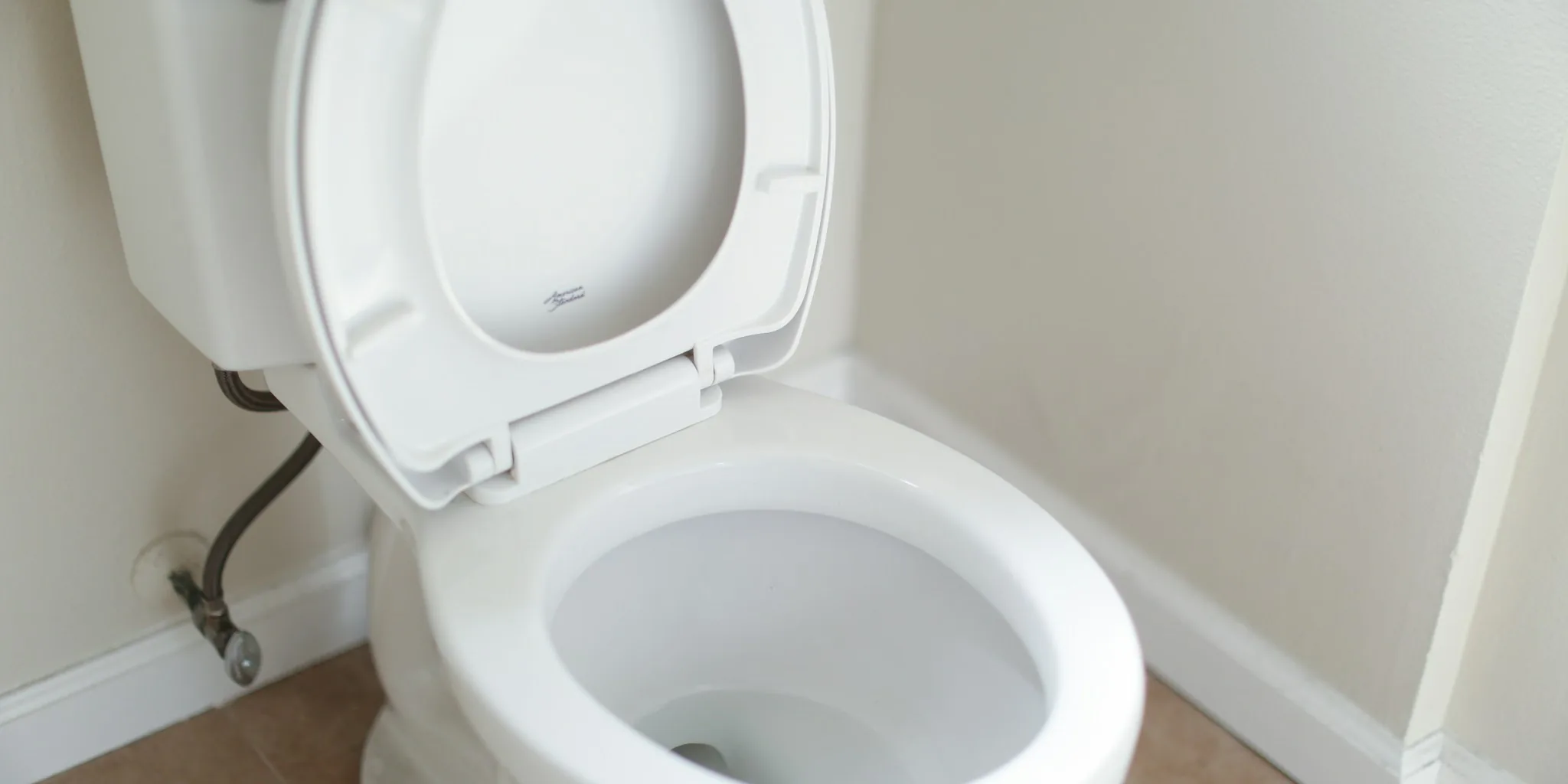

Why Regular Toilet Cleaning Matters More Than You Think
Your bathroom is one of the germiest rooms in your home, and your toilet is ground zero for bacterial growth. Yet many homeowners put off cleaning this essential fixture, not realizing the serious consequences that come with neglect. Understanding what happens when you skip regular toilet maintenance can motivate you to establish a consistent cleaning routine that protects your family’s health and keeps your bathroom fixtures in good condition.
The Health Risks of an Uncleaned Toilet

When you avoid cleaning your toilet regularly, you’re creating an ideal environment for harmful bacteria to thrive. Your toilet bowl collects pathogens like E. coli and Staphylococcus, many of which survive the flush and remain in the bowl. These dangerous microorganisms don’t stay put either. Every time someone flushes, bacteria and germs become aerosolized and can travel through the air, potentially entering your respiratory system or contaminating other bathroom surfaces.
The health consequences can be serious. Exposure to E. coli and similar bacteria can trigger gastrointestinal problems, including stomach pain, nausea, and diarrhea. Respiratory infections and breathing issues may also develop when mold spores become airborne from an uncleaned toilet. Children, elderly family members, and anyone with a compromised immune system face heightened risk from these pathogens.
Additional Problems Beyond Bacteria
Beyond bacterial contamination, neglecting toilet cleaning allows mineral deposits to accumulate. Hard water stains build up on the bowl’s interior surface, creating an unsightly appearance that becomes increasingly difficult to remove over time. These stains aren’t just cosmetic concerns. Mineral deposits and stains trap additional bacteria, creating multiple layers of contamination that compound the hygiene problem.
Mold growth is another inevitable consequence of leaving a toilet uncleaned. Toilets provide the perfect conditions for mold: constant moisture, darkness, and organic material. Mold spores released into the bathroom air can contribute to allergic reactions and respiratory issues, particularly for people with sensitivities or asthma. Over time, uncleaned toilets can damage the fixtures themselves, as corrosion and buildup weaken the porcelain and internal components.
How to Clean Your Toilet Properly
Proper toilet cleaning involves several straightforward steps that take just minutes but provide significant protection. Start by wiping down the entire exterior with a clean, dry cloth, working from the tank top down to the bowl. This removes dust and initial surface debris.
Next, apply your chosen toilet cleaner generously around the inside of the bowl and under the rim. Let the cleaner sit for the time recommended on the product label to break down stains and kill bacteria. Scrub thoroughly using a toilet brush, applying extra pressure to any visible stains or discolored areas. Flush to rinse away the cleaner and loosened debris.
The outside deserves attention too. Wipe the seat, lid, and exterior surfaces with a clean cloth or disinfectant wipe. Don’t forget the flush handle or button, which harbors significant bacteria from repeated hand contact. A final rinse ensures no product residue remains on any surface.
The Often Forgotten Step: Cleaning Your Toilet Brush
Most people overlook one critical part of toilet maintenance: cleaning the brush itself. Your toilet brush is a bacteria magnet, so it needs regular sanitizing. After scrubbing the bowl, flush the brush head several times in the toilet water to remove loose debris and germs. Then spray the bristles thoroughly with hydrogen peroxide and allow everything to dry completely before storing the brush back in its holder. This prevents bacteria from accumulating on the brush and spreading to your hands or other bathroom items.
Preventing Hard Water Stains Long Term
To reduce stain buildup and maintain a cleaner toilet between regular cleanings, implement a simple monthly maintenance step. Pour one cup of white vinegar directly into the toilet tank and let it sit for about thirty minutes. The vinegar breaks down mineral deposits before they become stubborn stains. Flush normally when time is up. This preventive measure significantly reduces the effort required during your weekly cleaning sessions and helps maintain your bathroom fixtures in better condition.
If you’re working to improve your overall bathroom maintenance routine, consider how better organization can support your cleaning schedule. Hanging bags can replace bulky hampers to reduce clutter and give you more accessible space to clean. Similarly, vintage storage solutions can organize your bathroom items more efficiently, making it easier to maintain cleanliness throughout the space.
Making Toilet Cleaning a Non Negotiable Habit
Establishing a weekly toilet cleaning schedule is one of the most important steps you can take for bathroom hygiene and your family’s health. The ten minutes spent cleaning your toilet weekly prevents serious health risks, maintains your fixtures, and keeps your bathroom looking fresh and sanitary. By understanding the real consequences of skipping this task and following proper cleaning techniques, you’ll protect both your health and your home.


Write Your Review
No reviews yet. Be the first to share your experience!