
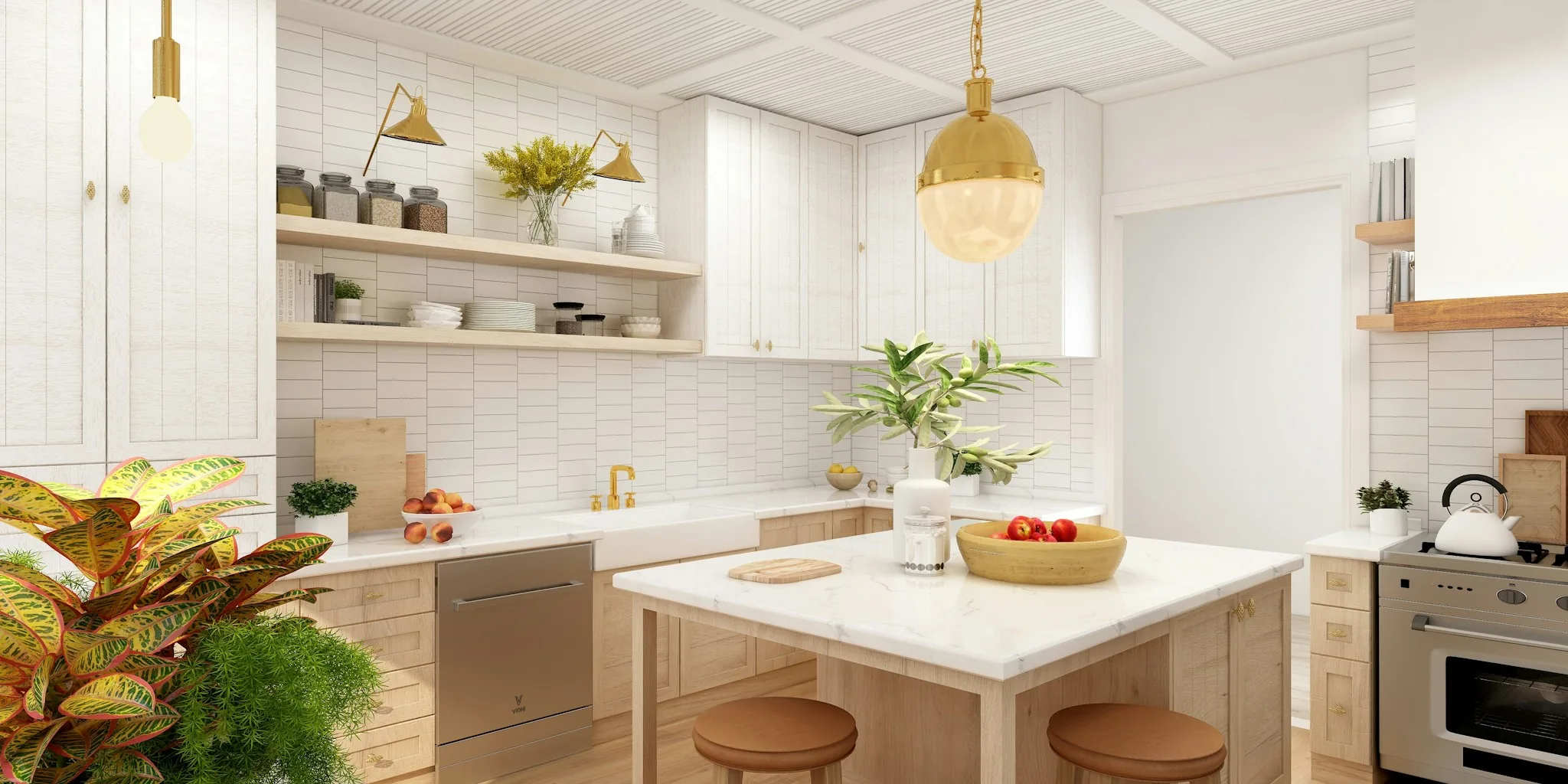

A homeowner recently completed a dramatic kitchen transformation using just two paint colors, proving that strategic color choices can completely reshape how a space feels and functions. The project offers valuable lessons for shoppers considering their own kitchen updates without breaking the budget.
When a Kitchen Feels Darker Than It Actually Is
Even kitchens with generous natural light and high ceilings can appear gloomy if the color scheme works against the space. This particular kitchen featured 9-foot ceilings and stunning views, yet felt dated and unwelcoming due to an all-brown palette throughout the floors, cabinets, and countertops. The brown tones absorbed light rather than reflecting it, creating an oppressive atmosphere despite ample windows.
The challenge intensified because large windows, rather than solving the darkness problem, actually made it worse. Throughout the day, sunlight created shifting shadows that emphasized the dark cabinetry and countertops, reinforcing the gloomy feeling. Since the kitchen opened directly to the living room with only a peninsula separating the spaces, this dark aesthetic dragged down the entire home’s ambiance.
Budget Constraints Force Creative Solutions
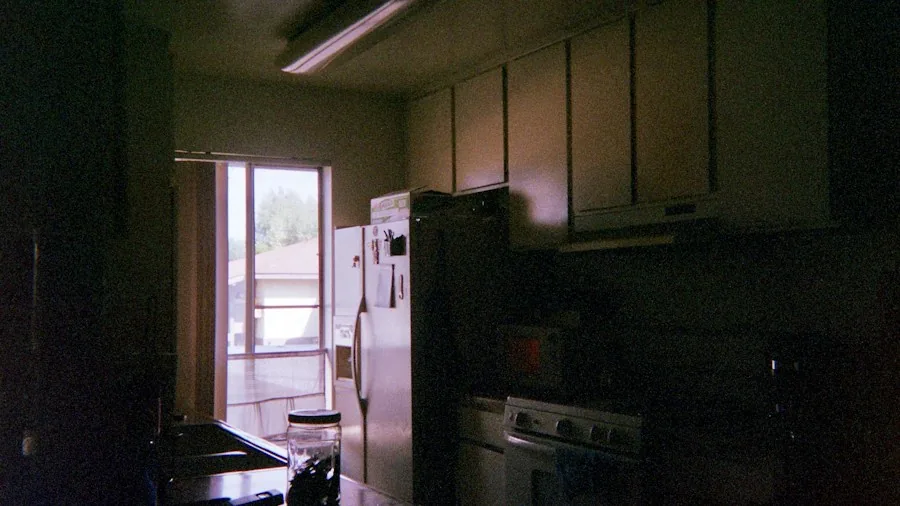
The homeowner faced a significant limitation: replacing the flooring and countertops was prohibited in the condo. This meant any transformation had to work with the existing brown floors and granite countertops, requiring careful color coordination. Adding to the difficulty, the project needed to stay within a tight budget, eliminating expensive renovation options.
These constraints actually became opportunities to think differently about the space. Rather than pursuing costly replacements, the focus shifted to paint and accent features that could harmonize existing elements. For homeowners and renters facing similar restrictions, this approach demonstrates how strategic decisions about color and materials can deliver dramatic results without major structural changes or substantial expense.
Paint Color Selection Matters More Than You Think
Choosing the right paint color proved to be the most challenging aspect of the entire project. The homeowner initially selected a warm taupe shade intended to bridge the brown flooring and outdated countertops. However, once applied, the color shifted dramatically due to how light reflected through the large windows, creating an unexpected result that didn’t achieve the desired effect.
This unexpected outcome teaches an important lesson for shoppers: paint colors behave differently depending on a room’s lighting conditions, window placement, and existing materials. What looks perfect on a small sample card may appear completely different once covering large wall and cabinet surfaces. Testing colors under your specific lighting conditions, at different times of day, becomes essential before committing to a full paint job.
Strategic Additions Bring Everything Together
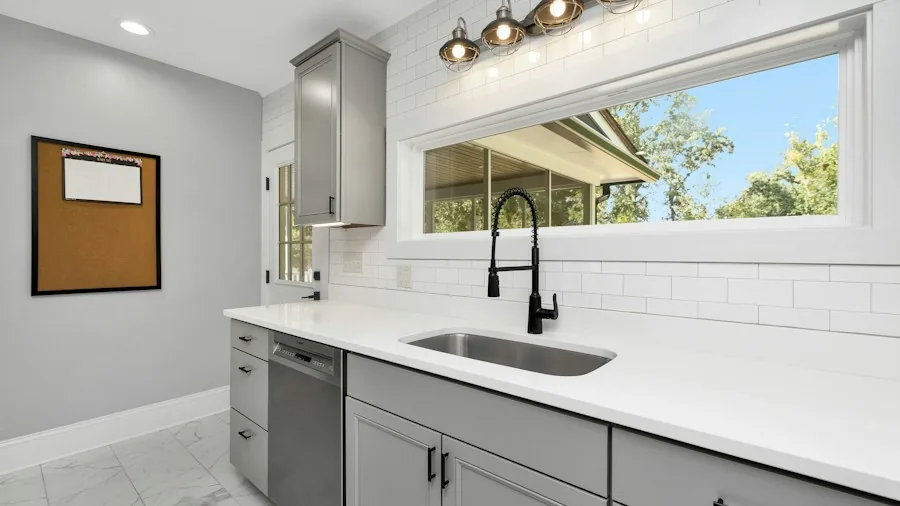
Rather than repainting everything again, the homeowner added a white high-gloss tile backsplash where none existed before. This simple addition served multiple purposes: it introduced visual interest, created a contemporary aesthetic, and importantly, helped unify the warm cabinet color with the cooler brown tones of the flooring and countertops.
When the entire kitchen walls received a fresh coat of soft, neutral paint in a lighter shade, the space finally came together. The lighter wall color brightened the formerly dark cabinets and countertops, while the white backsplash tiles added elegance and helped blend all the various brown tones into a cohesive, intentional design. This demonstrates how multiple smaller decisions can achieve what a single color choice cannot accomplish alone.
The Importance of Layered Design
Homeowners often assume that one perfect paint color will solve all their design problems. This project illustrates why that mindset frequently leads to disappointment. Instead, successful kitchen transformations typically involve layering multiple elements: wall color, cabinet color, backsplash materials, and lighting all work together to create the final effect.
The final result is a calm, cohesive kitchen that feels contemporary and high-end despite maintaining the original brown flooring and countertops. The space now blends seamlessly with the adjacent living room, creating better flow throughout the home. Most importantly, the homeowner genuinely enjoys spending time in the space, which is the true measure of a successful renovation.
For shoppers considering kitchen updates, this transformation offers practical guidance. You don’t need unlimited funds or the ability to replace major fixtures to dramatically improve your space. Sometimes the most impactful changes come from thoughtful paint selection, strategic additions like backsplashes, and understanding how light moves through your specific kitchen throughout the day. When planning your own kitchen refresh, consider working with a designer or using paint samples under your actual lighting conditions before committing to colors. Best kitchen storage solutions can complement your new color scheme by keeping the space organized and visually calm. Combined with proper color choices, smart storage helps maintain the serene atmosphere you’re creating.



Write Your Review
No reviews yet. Be the first to share your experience!