
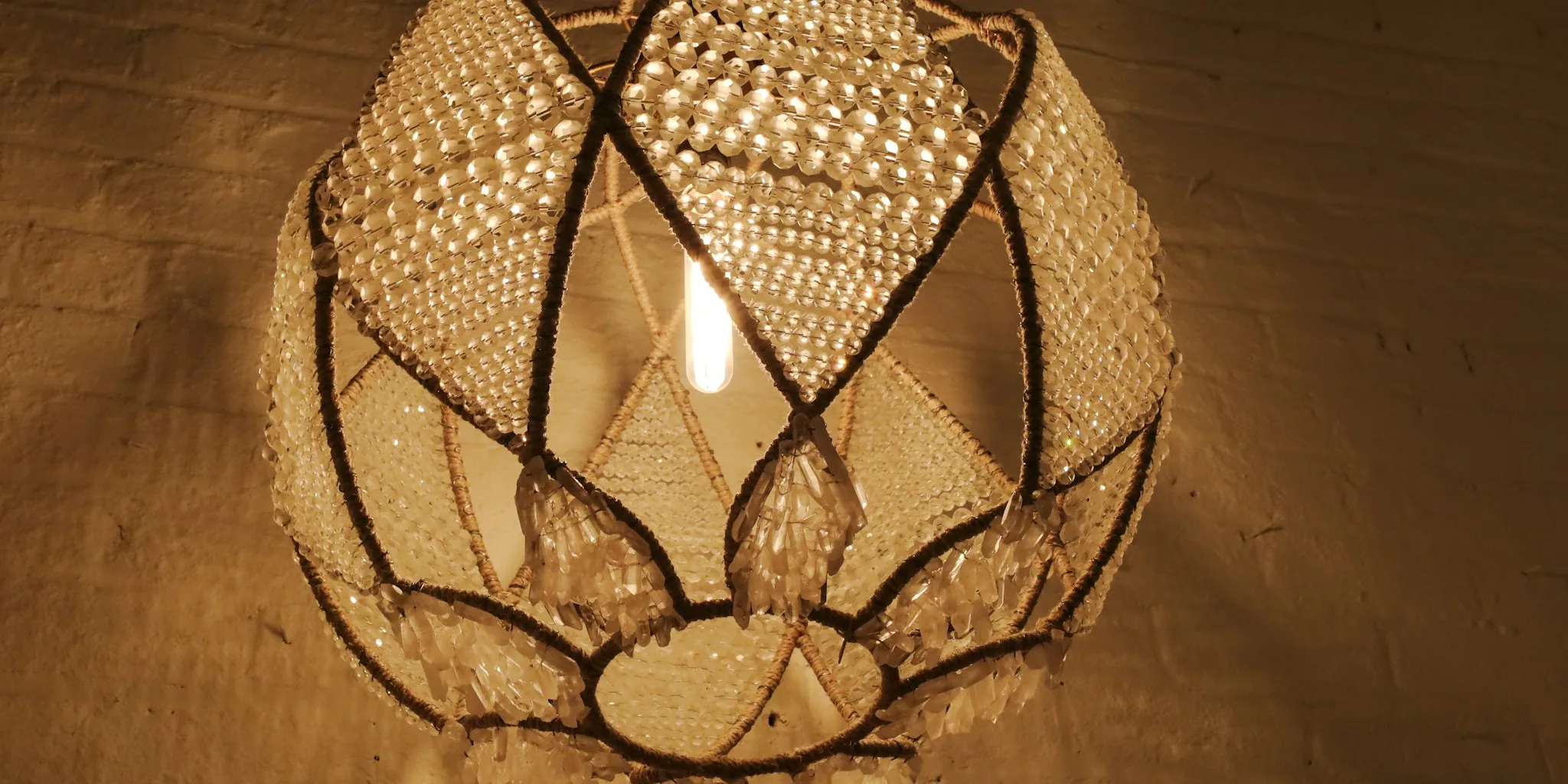

Handmade Beaded Lampshade Trend Takes Off With Budget-Conscious Shoppers
A trending DIY project is reshaping how consumers think about pendant lighting and custom home décor. Creative homeowners are now discovering that they can craft their own personalized hanging lampshades using simple materials like metal hoops and decorative beads, eliminating the need to purchase expensive lighting fixtures from retailers. This shift toward custom, handmade lighting solutions offers shoppers an affordable alternative to mass-produced options while allowing complete creative control over design and aesthetics.
What the Project Involves
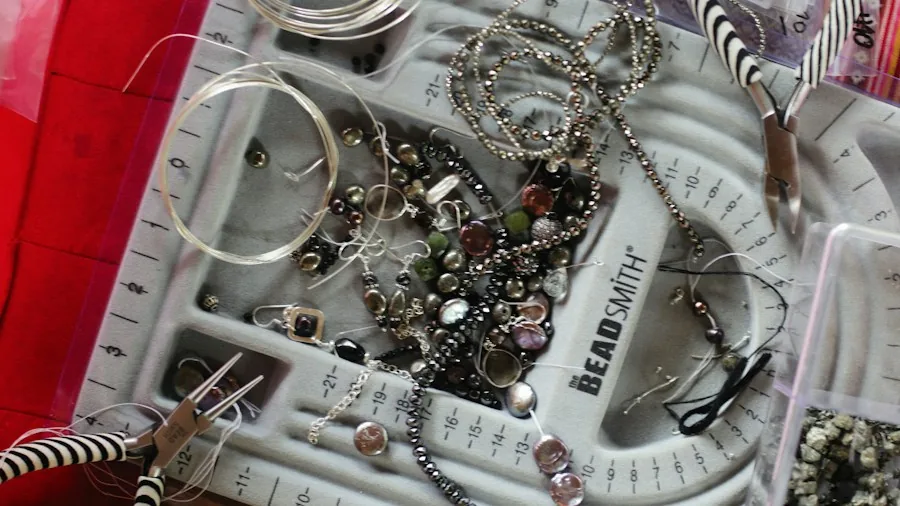
The beaded pendant light project centers on constructing a hanging shade using a metal hoop as the structural frame and strands of beads attached with embroidery floss. The process requires laying out thousands of individual beads in a chosen pattern on a pegboard, then threading them onto floss strands that attach to the hoop. For example, a typical medium-sized shade might incorporate over 6,000 beads organized into 160 individual strands, each containing roughly 40 beads per strand.
Builders start by deciding on their design pattern, working in manageable sections since pegboards cannot accommodate an entire lampshade layout at once. Once all beads are arranged and threaded onto floss, they attach each strand to the metal hoop, knot them securely at the bottom, then create a suspension system by tying multiple strands together at the top to form a hanging triangle.
Materials and Tools Required
This project demands specific supplies that most crafty shoppers can source affordably. Essential items include Perler-style fuse beads in desired colors, a metal hoop (size determines final dimensions), embroidery floss, a bead pegboard for organizing beads during layout, a beading threader, and tweezers for precise bead placement. Some builders choose to substitute embroidery floss with craft wire for increased durability, though wire requires pliers to secure strands properly. This flexibility means shoppers can adapt the project to their skill level and available materials.
Design Customization Possibilities
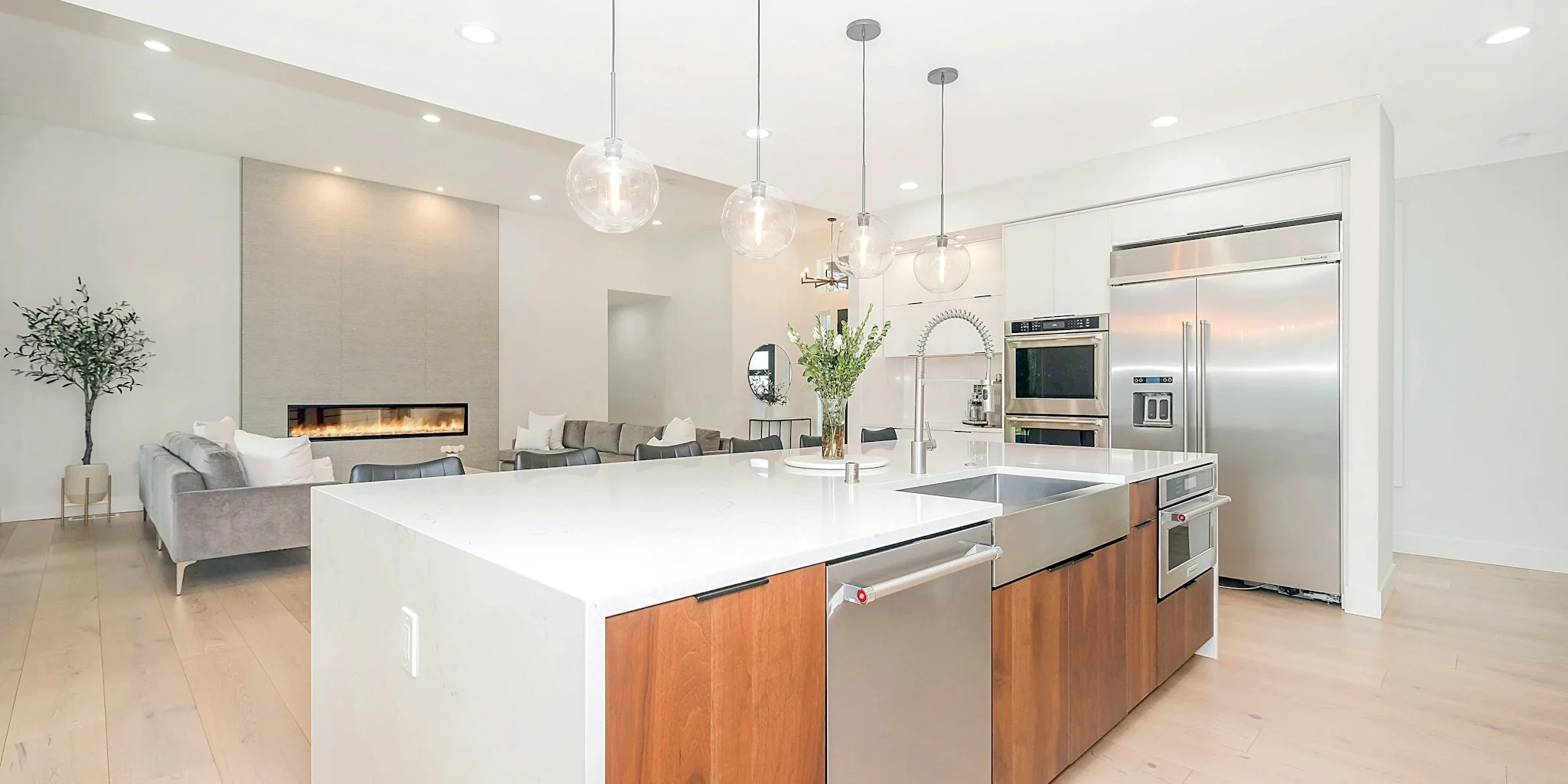
One major advantage of this DIY approach is unlimited design flexibility. Shoppers can select specific color combinations, incorporate transparent beads for a stained-glass aesthetic, or include glow-in-the-dark beads for nighttime visual appeal. Some designers finish each strand with decorative elements like larger gold beads, shells, or tassels at the bottom to enhance the retro vintage feel. This level of personalization far exceeds what consumers typically find shopping for standard pendant lights that elevate every kitchen, dining room, and entryway, making handmade options attractive to decorators seeking unique statement pieces.
Safety Considerations for Shoppers
While the project offers exciting creative possibilities, important safety precautions apply. Since Perler beads are designed to melt at temperatures around 400 degrees Fahrenheit in ovens or 250-300 degrees with an iron, keeping beads away from heat sources is critical. Standard 60-watt lightbulbs can reach temperatures near 200 degrees Fahrenheit, potentially causing bead damage or safety hazards. Builders should select larger hoops that position beads further from the central bulb, minimizing heat exposure. Additionally, proper ventilation and electrical safety when connecting lampshade components to light fixtures ensures the final product functions safely in any room.
What This Means for Consumers
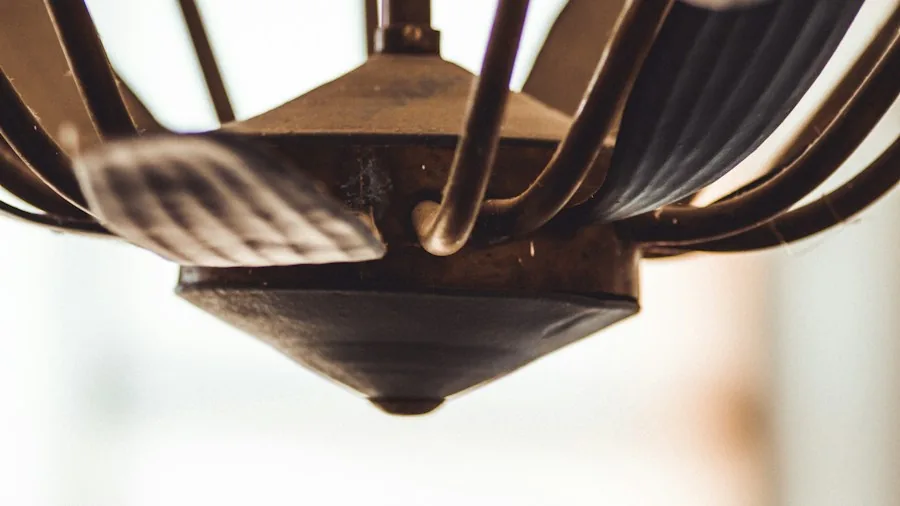
The surge in beaded pendant light projects reflects a broader consumer trend toward customizable, handmade home furnishings. Shoppers increasingly prefer investing time and modest material costs into unique lighting solutions rather than purchasing identical fixtures found in showrooms nationwide. This movement empowers decorators to develop signature aesthetic styles that reflect personal taste and creativity. Whether designing string lights that transform bathroom ambiance or statement pendant shades for living spaces, consumers now view lighting as a canvas for self-expression.
For budget-conscious shoppers, this DIY approach eliminates markup costs associated with retail lighting purchases. Material expenses remain relatively low compared to designer pendant fixtures, though the project requires significant time investment and patience. Those willing to commit to the multi-step process gain completely original lighting pieces impossible to find anywhere else.
Getting Started
Shoppers interested in creating their own beaded pendant lights should begin by gathering all necessary materials and dedicating adequate workspace for bead organization. Planning the design pattern first ensures smooth execution and helps calculate exact quantities of beads and floss needed. Online communities and design resources offer pattern inspiration, helping first-time builders visualize their final products before beginning the threading process. With proper planning, patience, and attention to safety guidelines, creating a personalized beaded pendant light becomes an achievable project that transforms any room’s ambiance while delivering significant cost savings compared to retail alternatives.


Write Your Review
No reviews yet. Be the first to share your experience!