
While your dishwasher is one of the most valuable appliances in your kitchen, it can’t safely clean everything you own. Experts from the Good Housekeeping Institute Home Care and Cleaning Lab have identified more than a dozen items that should never go inside your machine, as the intense heat and powerful jets can permanently damage materials and finishes.
Understanding Material Limitations
The first step in protecting your kitchenware is knowing which materials require hand washing. Items made from wood, aluminum, copper, or cast iron are particularly vulnerable to dishwasher damage. These materials can lose their protective finishes, become discolored, or warp under the appliance’s harsh conditions. Taking a few extra minutes to hand wash these treasured pieces will keep them functional and attractive for years to come.
Cast Iron Skillets
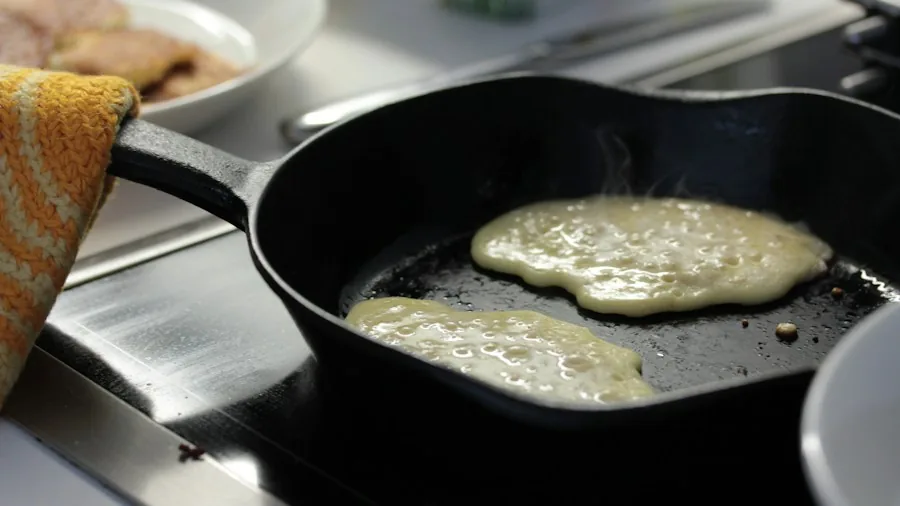
Cast iron requires seasoning to develop its non-stick properties and prevent rust. Running a seasoned skillet through the dishwasher strips away this protective layer and undoes all your maintenance work. Instead, clean cast iron with minimal water, using salt or oil-based methods to preserve the seasoning.
Wooden Utensils and Cutting Boards

Wooden spoons, spatulas, and cutting boards warp, split, and lose their shape when exposed to hot water and drying cycles. The wood finish dulls over time, and structural damage becomes inevitable. Hand wash these items with mild soap and warm water to maintain their integrity.
Vintage and Fine China
Family heirlooms and decorative plates with gold trim or hand-painted details suffer irreversible damage from dishwasher detergent and heat. These delicate surfaces require gentle hand washing to preserve them for future generations.
Specialty Kitchen Tools
Garlic presses trap sticky residue in their crevices, and dishwashers rarely remove all the buildup. Cheese graters accumulate food particles in their holes, potentially cross-contaminating flavors between uses. Both items benefit from immediate hand washing with a brush or sponge to ensure complete cleanliness.
Premium Knives and Blades
Fancy chef knives with wooden handles can split and dry out in the dishwasher, while their blades become damaged by rattling against the racks. Sharp blades also pose a safety risk to the appliance’s interior. Unless your dishwasher has a dedicated knife basket, keep quality knives in the sink. While choosing the right dishwasher detergent matters for general cleaning, it cannot protect blades from mechanical damage.
Cookware with Special Finishes
Aluminum pans become discolored and pitted by dishwasher cycles. Non-stick cookware gradually loses its protective coating with repeated machine washing, reducing its effectiveness over time. Copper pots and mugs lose their lustrous finish and develop a dull, tarnished appearance. These items deserve hand washing to maintain their beauty and function.
Insulated Drinkware
Travel mugs and insulated containers may have their thermal insulation destroyed by dishwasher heat, compromising their ability to keep beverages at desired temperatures. Always check manufacturer instructions before loading these items, as newer models sometimes allow machine washing while older designs do not.
Crystal and Glassware
Crystal can become cloudy and spotted from hard water and detergent residue. Even with a crystal cycle, high temperatures create the risk of chipping and cracking during loading and unloading. Antique and hand-painted crystal absolutely requires gentle hand washing. Understanding whether rinse aid actually helps is useful knowledge, but it cannot protect delicate crystal from thermal shock and chemical damage.
Containers with Labels
Jars and bottles with paper labels or adhesive residue create problems when those materials detach inside the machine. Loose labels can lodge in the filter and cause serious mechanical issues that prove expensive to repair. Remove all labels before considering any container for machine washing.
Protecting Your Investment
Your kitchen items represent an investment in quality and convenience. Most experts recommend consulting manufacturer guidelines when you’re uncertain about whether something is safe to machine wash. When in doubt, hand washing is always the safer choice. The minimal extra effort during cleanup protects your favorite pieces from premature damage and keeps them looking new. By being selective about what goes into your dishwasher, you’ll enjoy these essential kitchen tools for many years to come. For ongoing dishwasher maintenance and optimization, explore popular cleaning hacks and tips that can extend your appliance’s lifespan.