
After years of testing the waters with limited offerings, Bosch has made a major announcement: the power tool giant is officially committing to a comprehensive hand tool lineup. This marks a significant shift in the market and represents a genuine challenge to established hand tool brands across North America.
From Cautious Testing to Full Commitment
Bosch’s journey into hand tools has been gradual. The company began by introducing utility knives, which eventually expanded into North American retail channels including online platforms and physical stores. Approximately 2.5 years ago, they added pliers to their European offerings, including a selection of insulated options designed for electrical work. However, these early moves felt tentative and limited in scope, suggesting the company was still evaluating market demand rather than making a serious push into the category.
The latest announcement signals a complete change in strategy. Bosch is now rolling out a substantially expanded hand tool collection that includes screwdrivers, hammers, adjustable wrenches, various saw types, and multiple plier configurations. Promotional materials also hint at combination wrenches and specialized marking tools like carpentry pencils with refillable leads. This isn’t a gradual expansion or a test program; it’s a full-scale entry into the hand tool market.
What This Means for Your Shopping Options
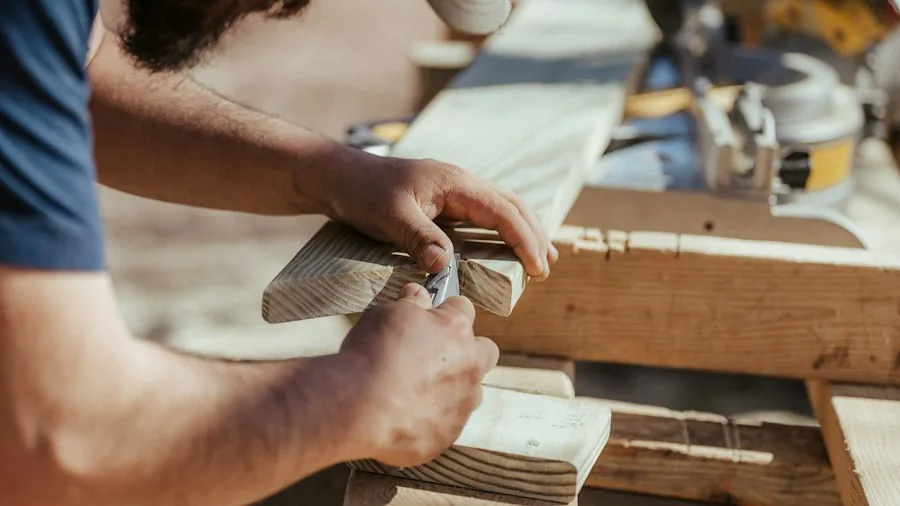
For consumers, Bosch’s expanded hand tool availability creates meaningful new choices. Bosch Green cordless tools have already made inroads at major retailers, and the company’s reputation for engineering quality and durability provides confidence in their hand tool offerings. The brand brings professional-grade expectations to a category where many consumers feel overwhelmed by quality variations among competing manufacturers.
The availability question remains important, however. While some Bosch hand tools are already available through online retailers and select stores, widespread distribution through major home improvement chains would accelerate adoption. The company’s L-Boxx contractor tool box system is now available in the USA, demonstrating their commitment to establishing a professional presence in American retail channels.
The Bigger Picture for the Hand Tool Market
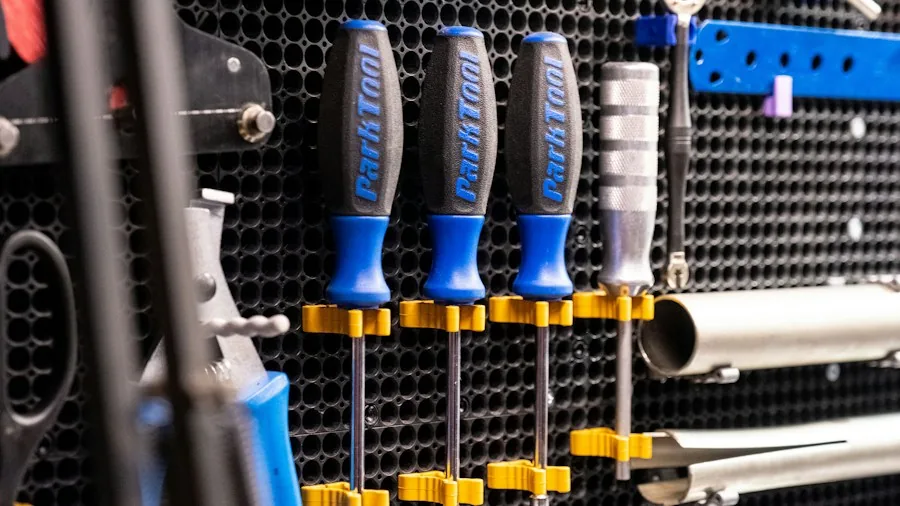
Bosch’s aggressive move into hand tools reflects changing market dynamics. A decade ago, this kind of expansion would have seemed unlikely or premature. Today, consumers actively seek quality hand tools from brands they already trust for power equipment. The hand tool market has also become more receptive to new competitors, particularly those offering integrated ecosystems where hand tools and power tools complement one another.
Industry observers note that in-store placement and visibility will determine how quickly Bosch hand tools gain market share among American consumers. Internet-only availability helps reach certain shoppers, but professional contractors and serious DIY enthusiasts typically discover and purchase tools during visits to physical retail locations. Securing shelf space at major retailers alongside established professional brands represents the fast track to market penetration.
What to Expect Going Forward
The company’s promotional materials emphasize that these hand tools represent a long-term commitment rather than a limited experimental offering. The messaging suggests Bosch is positioning hand tools as essential complements to their existing cordless power tool systems and professional-grade equipment lines.
Shoppers should watch for announcements regarding specific retail partnerships and product availability timelines. The company has also demonstrated commitment to the broader tool-using community through various initiatives, suggesting their hand tool launch includes more than just product sales.
Whether you’re a professional tradesperson, a dedicated DIY enthusiast, or a homeowner who wants reliable tools for occasional projects, Bosch’s expanded hand tool selection deserves your attention. The combination of engineering expertise, existing distribution channels for complementary products, and apparent commitment to the category indicates these aren’t tokens in the hand tool space. They represent a serious manufacturer bringing its full capabilities to a market segment where consumers consistently express demand for quality and reliability.