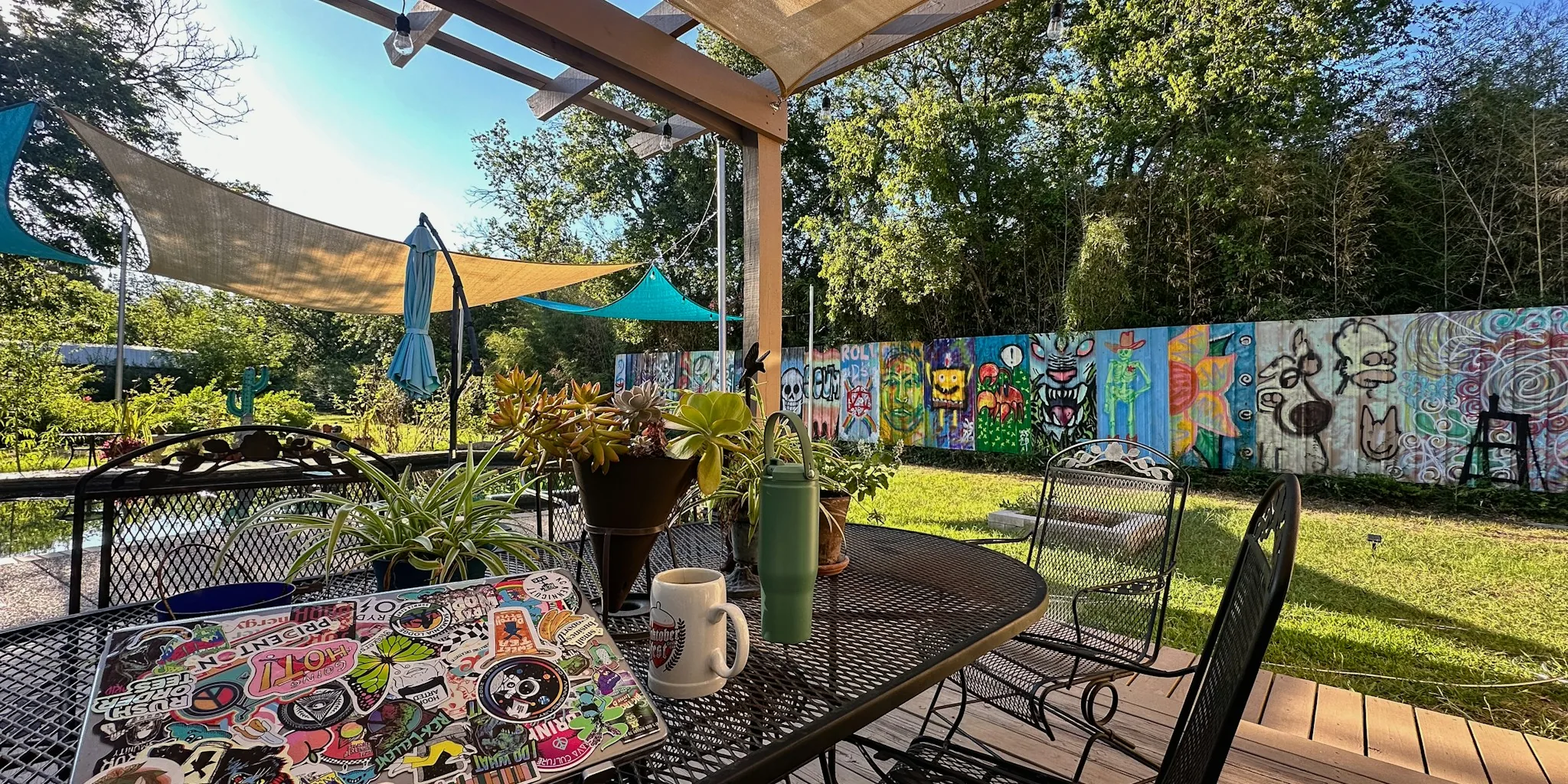

A practical bathroom fixture is finding new life as an unexpected source of outdoor decoration. Homeowners are discovering that shower curtains, designed to withstand moisture and humidity, make ideal materials for creating custom outdoor wall art. This budget-friendly DIY trend offers a creative solution for adding visual interest to backyards and patios while repurposing items that might otherwise be discarded.
Why Shower Curtains Make Smart Outdoor Decor
Shower curtains possess qualities that make them naturally suited for outdoor environments. Most are manufactured to resist water damage and mildew, properties that prove invaluable when exposed to rain, sprinklers, and morning dew. Fabric-based options offer water resistance, while plastic varieties provide waterproof protection. This durability advantage means your finished piece can withstand seasonal weather changes without requiring specialized outdoor materials.
The affordability factor cannot be overlooked either. Rather than purchasing expensive canvas or outdoor-rated wall hangings, this project transforms an inexpensive bathroom item into gallery-quality artwork. For shoppers interested in revitalizing their outdoor spaces without major expenses, this approach offers significant savings compared to traditional outdoor decor.
What You Need to Get Started
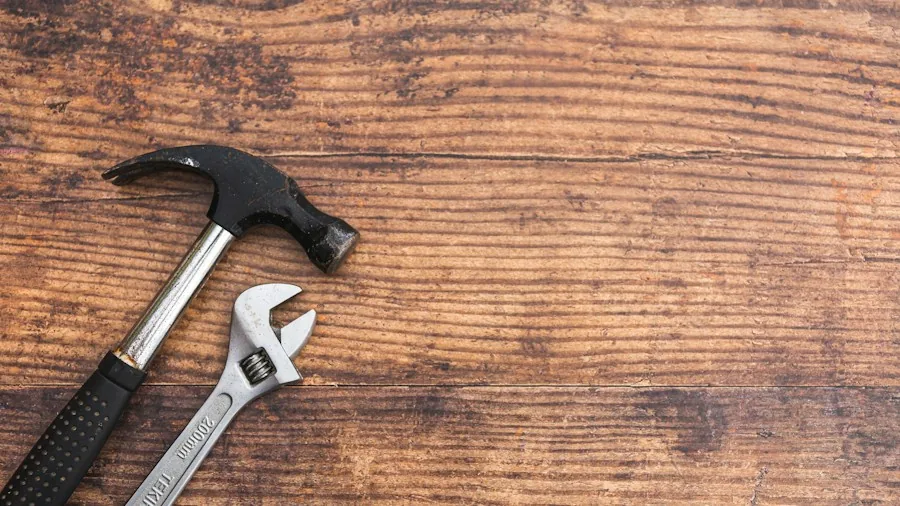
Creating shower curtain wall art requires modest supplies and basic tools. You will need a shower curtain in good condition, avoiding any pieces showing significant wear or damage that might tear during the stretching process. One-by-two-inch wood boards serve as your frame foundation, along with basic wood glue and screws to assemble corners.
Essential tools include a saw for cutting wood pieces, a staple gun for securing fabric, and clamps for holding wood together while glue dries. If you plan to customize your design with paint and patterns, add brushes and a UV-protecting waterproof sealer to your supplies list. Many homeowners find they already have most of these items on hand.
Building Your Wooden Frame
The construction process begins with determining your desired dimensions based on available wall space. Measure your shower curtain and decide what size finished artwork you want, keeping in mind that fabric will wrap around the frame edge, reducing visible dimensions by several inches on each side.
Cut your wood pieces to length and width according to your plan. For a polished appearance, make forty-five degree miter cuts at each corner so pieces fit together seamlessly, though straight cuts work equally well if you lack specialized cutting equipment. Apply wood glue to corner joints and secure with clamps, allowing approximately twenty-four hours for the adhesive to cure fully. Once dry, reinforce corners with screws for additional strength and stability.
Attaching and Preparing Your Curtain
Position your shower curtain face-down on a clean work surface and center your completed wooden frame on top. Starting from the top edge, fold the fabric back and staple it to the frame’s rear side, working from center toward the sides to ensure even tension. Move to the bottom next, pulling fabric taut as you staple, then repeat this process on both remaining sides. Pay special attention to corners, folding them carefully to maintain tension and create clean edges.
This is where personalization happens. You can paint designs directly onto the curtain fabric just as you would on traditional canvas, or leave existing patterns visible. Those interested in protecting their investment should apply a UV-blocking and waterproof spray or sealant to guard against sun damage and moisture penetration.
Mounting and Long Term Care
Select an outdoor location for your artwork, ideally a spot with some shade to prevent color fading over time. Use rust-resistant hardware such as stainless steel hooks, nails, or masonry anchors to mount your frame securely to the wall. Multiple attachment points prevent wind damage and ensure your artwork remains safely in place during storms.
For those exploring other ways to update their bathroom and outdoor spaces, options like glass doors that replace shower curtains offer alternatives for indoor applications. Similarly, shoppers working with existing curtain hardware might enjoy learning about decorative shower curtain hooks that add personality to bathroom spaces. For even more creative reuse ideas, consider repurposing old curtains as desk backsplashes indoors.
Monitor your outdoor artwork regularly and bring it inside during severe weather or the off-season to extend its lifespan. This simple precaution protects your work from extreme conditions while keeping your decor investment viable for years to come. With minimal investment and basic skills, this project transforms everyday bathroom items into custom outdoor statements that reflect personal style and creativity.