
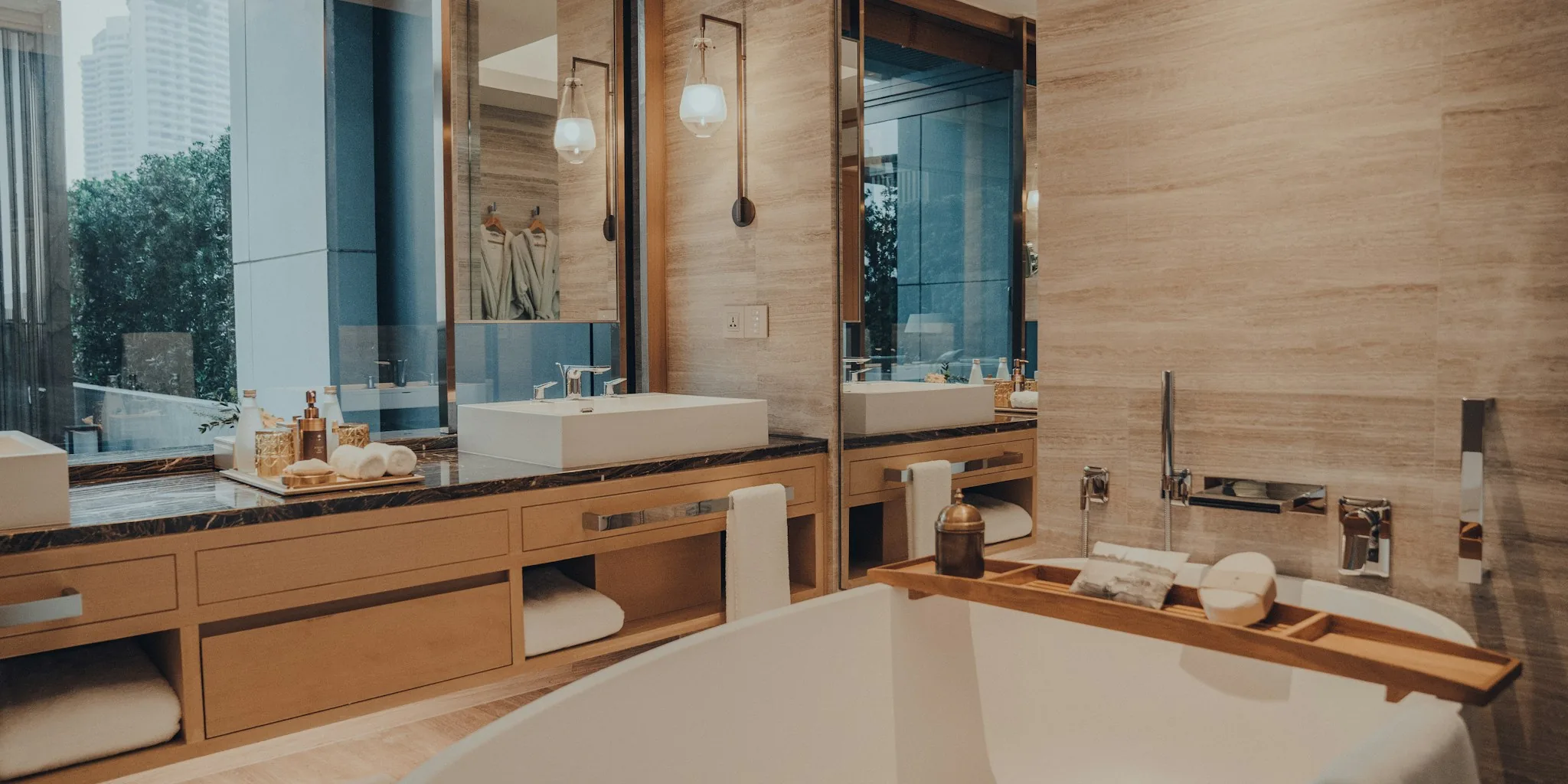

A celebrity-designed alpine chalet in Ojai has sparked renewed interest in chalet-style home design, particularly when it comes to bathroom spaces. The historic 1906 Swiss-style property, recently featured in design media, demonstrates how contemporary homeowners can achieve cozy, rustic aesthetics without sacrificing modern comfort or style. For shoppers looking to refresh their bathrooms, the design principles at work in this high-profile home offer practical guidance on creating that coveted alpine warmth.
The Alpine Bathroom Trend: Warmth Meets Contemporary Style
The appeal of chalet-inspired interiors lies in their balance of authentic rustic elements with modern sensibilities. Rich timber, classic fixtures, and traditional metal finishes create the foundational alpine character, while contemporary pieces prevent the space from feeling like a period recreation. This approach has resonated with homeowners tired of stark minimalism and eager to introduce texture and personality into their bathrooms.
The key to pulling off this look is understanding contrast. Chalet bathrooms pair wood’s warmth and natural grain against clean, pale surfaces like white porcelain and stone tiles. A pedestal basin or roll-top tub introduces breathing room in a timber-heavy space, while curved fixtures soften harder lines created by exposed joinery. This balance prevents the room from feeling visually dense or oppressively dark.
Lighting: The Make or Break Element
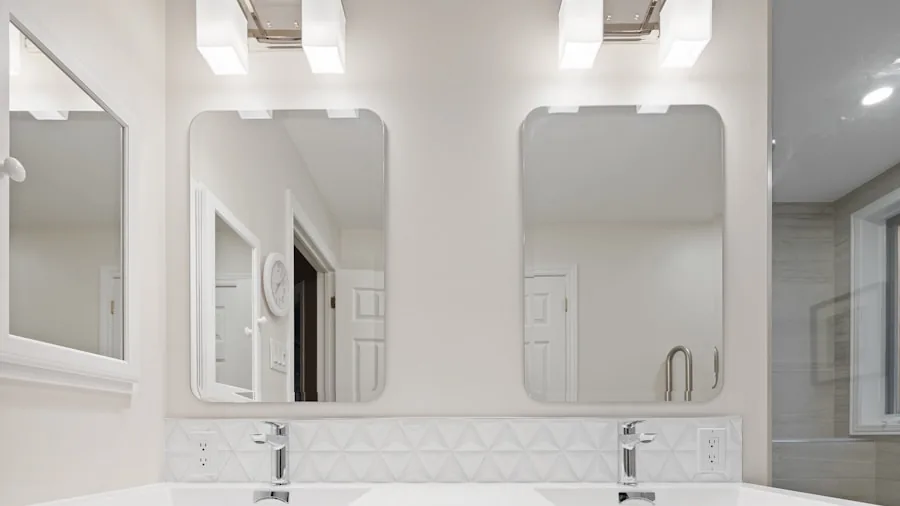
Perhaps the most critical component of authentic chalet bathroom design is proper lighting. A true alpine bathroom should feel sheltered and inviting, and this emotional quality depends almost entirely on how light interacts with wood surfaces. Unlike contemporary bathrooms that often rely on bright overhead fixtures, chalet-style spaces benefit from deliberately warm, diffused illumination.
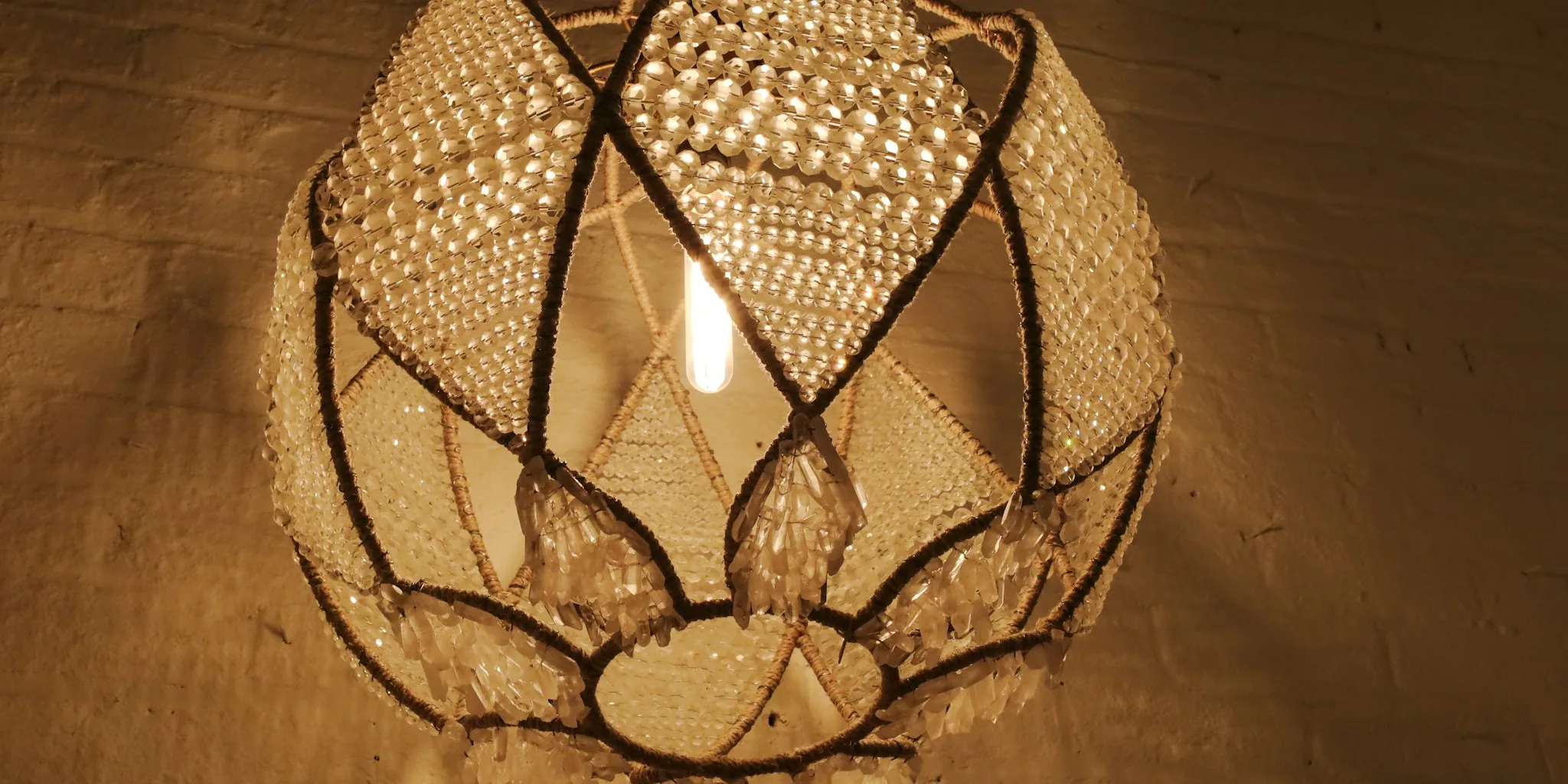
Design experts recommend avoiding harsh overhead lighting entirely. Instead, low-level wall sconces and diffused fittings create warmth that complements timber paneling and brings out the natural character of wood grain. Scalloped or shell-shaped glass shades cast soft, textured glows across walls, blending vintage chalet glamogy with contemporary warmth. This type of lighting creates that gentle, fireside glow associated with mountain lodges, transforming the bathroom into a genuinely cozy retreat rather than a utilitarian space.
The difference between a successful chalet bathroom and a failed attempt often comes down to this single decision. Harsh lighting flattens timber, highlights imperfections, and creates an institutional feel. Soft, layered lighting reveals the character in wood, enhances grain patterns, and invites relaxation.
Metal Finishes and Hardware Details
Beyond lighting, hardware and visible metalwork play crucial roles in establishing alpine authenticity. Brushed brass and pewter finishes work beautifully against raw wood surfaces, adding craftsmanship without creating a museum-like atmosphere. Rather than hiding fixtures within walls, chalet bathrooms celebrate visible brassware as part of the design story. Crosshead controls, exposed shower fittings, and deck-mounted bath fillers become decorative elements that contribute to the overall aesthetic.
Traditional pieces with genuine weight, such as vintage-inspired towel rings, robe hooks, and cabinet knobs, feel more authentic than ultra-minimal hardware. These details carry practical, slightly old-fashioned qualities that align perfectly with alpine architecture. When combined with thoughtfully chosen modern lighting fixtures designed to enhance rather than overpower, these elements create a cohesive narrative.
Vanities, Furniture, and Spatial Flow
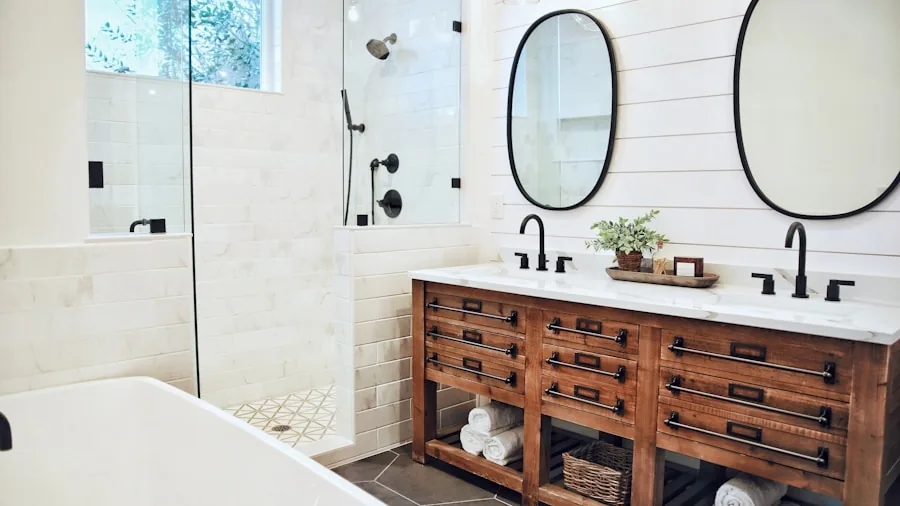
Rather than inserting a sleek, contemporary vanity as an afterthought, successful chalet bathrooms feature cabinetry that feels architecturally integrated. Paneled fronts echo detailing found elsewhere in the space, while matching timber creates the impression that the vanity grew organically from the room itself. Furniture should command presence without competing with structural elements like exposed beams or paneled walls.
Slightly angled vanities help break up straight lines created by joinery and introduce softer curves. Marble countertops paired with solid wood frames deliver that necessary contrast between cool stone and warm timber. Small touches like smoked ash bowls or weathered wood accents maintain the rustic narrative while introducing sculptural interest.
Creating Your Own Alpine Retreat
You do not need to own a historic mountain property to capture this aesthetic. The lesson from well-designed alpine bathrooms is that the style succeeds through thoughtful layering rather than expensive renovations. Introduce timber textures through strategic accents, choose lighting that flatters rather than exposes, select hardware with character, and incorporate pale surfaces that prevent heaviness.
Budget-conscious shoppers can achieve chalet aesthetics by prioritizing key investments: warm-toned sconces, quality hardware, and a vanity that feels intentional rather than generic. Once those foundational elements are in place, smaller details and accents can be accumulated over time.
The growing popularity of alpine bathroom design reflects a broader shift toward spaces that feel genuinely livable. Rather than chasing trendy minimalism, homeowners increasingly value warmth, craftsmanship, and atmospheres that encourage genuine relaxation. By understanding how light, material, and detail work together, anyone can transform an ordinary bathroom into a personal alpine sanctuary.

Write Your Review
No reviews yet. Be the first to share your experience!