
A New Twist on Home Water Heating
A Delaware-based company has introduced an unconventional approach to water heating: a replacement heating element that mines cryptocurrency while warming your water. The product, called Bitwater, screws into standard electric water tanks found in homes across North America and uses specialized computing chips to generate both heat and Bitcoin earnings simultaneously.
The concept builds on earlier products from the same manufacturer, which produced space heaters and air purifiers capable of mining cryptocurrency. The company’s newest offering brings this dual-function technology into the utility closet, targeting the roughly 150 million households in the US and Canada that rely on electric resistance water heaters.
How Bitwater Works
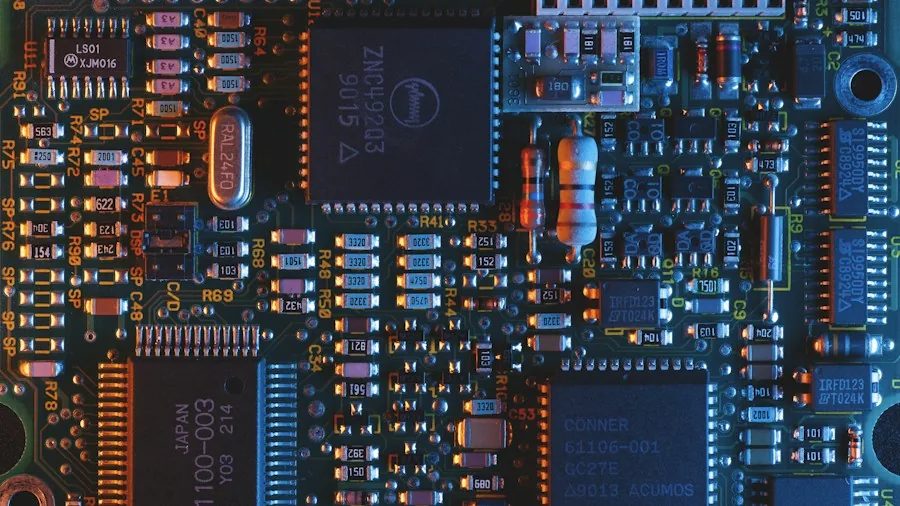
The device replaces the standard resistance wire in a water heater element with twenty specialized mining processors. According to the manufacturer, it delivers up to 34 terahashes per second while drawing up to 600 watts of power. A key advantage over traditional cryptocurrency mining equipment is that the tank water itself cools the chips, eliminating the need for loud fans that typically accompany mining hardware.
The system is designed to fit most 30- to 80-gallon electric tanks, including models from major appliance manufacturers. A companion smartphone application displays water temperature, mining speed, and earnings in real time. Users can direct any Bitcoin revenue to their own wallet, whether mining solo or as part of a larger pool.
Preorders opened at $899, with the first units expected to ship in the first quarter of 2027. For comparison, a conventional water heater element typically costs less than $30, meaning buyers would need substantial mining earnings to offset the upfront cost difference.
The Economics Question
The core question for any buyer is straightforward: can this device reduce the overall cost of heating water compared to a traditional element? The manufacturer conducted winter testing with households in New York and Florida but has not released detailed results. They claim that water heating costs remain the same when Bitwater replaces a standard element.
Both mining chips and conventional resistance elements convert nearly all electricity into heat, which sounds promising in theory. However, real-world savings depend on many variables: initial purchase price, your household’s hot-water usage patterns, electricity rates in your area, how often the unit operates, and how long the hardware actually lasts.
The manufacturer shared an estimate suggesting the device could generate approximately $1 to $1.25 per day in Bitcoin mining revenue, which amounts to roughly $292 to $365 annually at 80% uptime. If accurate, that would mean recouping the $870 price premium over a standard element in about three years, with any additional earnings as profit afterward.
However, this calculation relies on mining conditions staying stable, which they almost certainly will not. Bitcoin network difficulty adjusts regularly, market conditions shift, and block rewards change over time. Earlier skeptical reviews of the company’s previous products highlighted the challenge: you need to factor in the substantial upfront cost when evaluating whether you actually save money, even if mining earnings eventually exceed that investment. While considering water heating innovations like hybrid heat pump water heaters that reduce energy costs, consumers should evaluate both traditional and emerging technologies.
What This Means for Network Decentralization
Beyond personal finances, proponents argue that devices like Bitwater could strengthen Bitcoin’s underlying network. Currently, mining is concentrated among large industrial operations, which raises concerns about network centralization and potential security vulnerabilities. Distributing mining across millions of households could theoretically reduce this risk.
Whether household-level mining actually makes a meaningful difference depends on adoption rates and total computing power involved. The manufacturer notes that residential water heating consumes roughly 300 terawatt-hours annually in North America, while the entire Bitcoin network currently uses around 170 terawatt-hours. If households captured even a fraction of that potential energy for mining, it could meaningfully alter the network landscape.
Environmental Considerations
Cryptocurrency mining’s environmental impact remains debated. One advantage of embedding mining into existing heating applications is that it does not increase total grid demand; the electricity was already being used to heat water. Without Bitwater, that energy would simply produce heat with no additional revenue stream.
Recent research suggests the picture is nuanced. Some studies explore how mining could help finance renewable energy projects, while others document that large mining operations still rely heavily on fossil-fuel power plants. Using mining chips in heating applications may offer a modest environmental benefit compared to standalone mining rigs, though critics argue any expansion of Bitcoin’s energy consumption is problematic regardless of application.
What Buyers Should Consider
Before committing $899 to this device, evaluate your specific situation. You need compatible hardware: most 30- to 80-gallon electric tanks with a standard one-inch screw-in element port qualify. Your electricity rates matter significantly; higher rates improve the financial case. Your household’s hot-water usage patterns and climate will influence both heating needs and mining uptime.
Most importantly, treat any mining earnings as a bonus rather than guaranteed savings. Conventional water heaters are reliable, mature technology. This device combines two separate functions, which introduces complexity and potential failure points. Durability data does not yet exist, though conventional elements typically last six to ten years.
If you are interested in reducing water heating costs, explore water softeners and efficiency upgrades alongside heating technologies. Traditional efficiency improvements like insulating your tank, lowering your thermostat setting, and fixing leaks deliver more predictable savings without technological risk.