
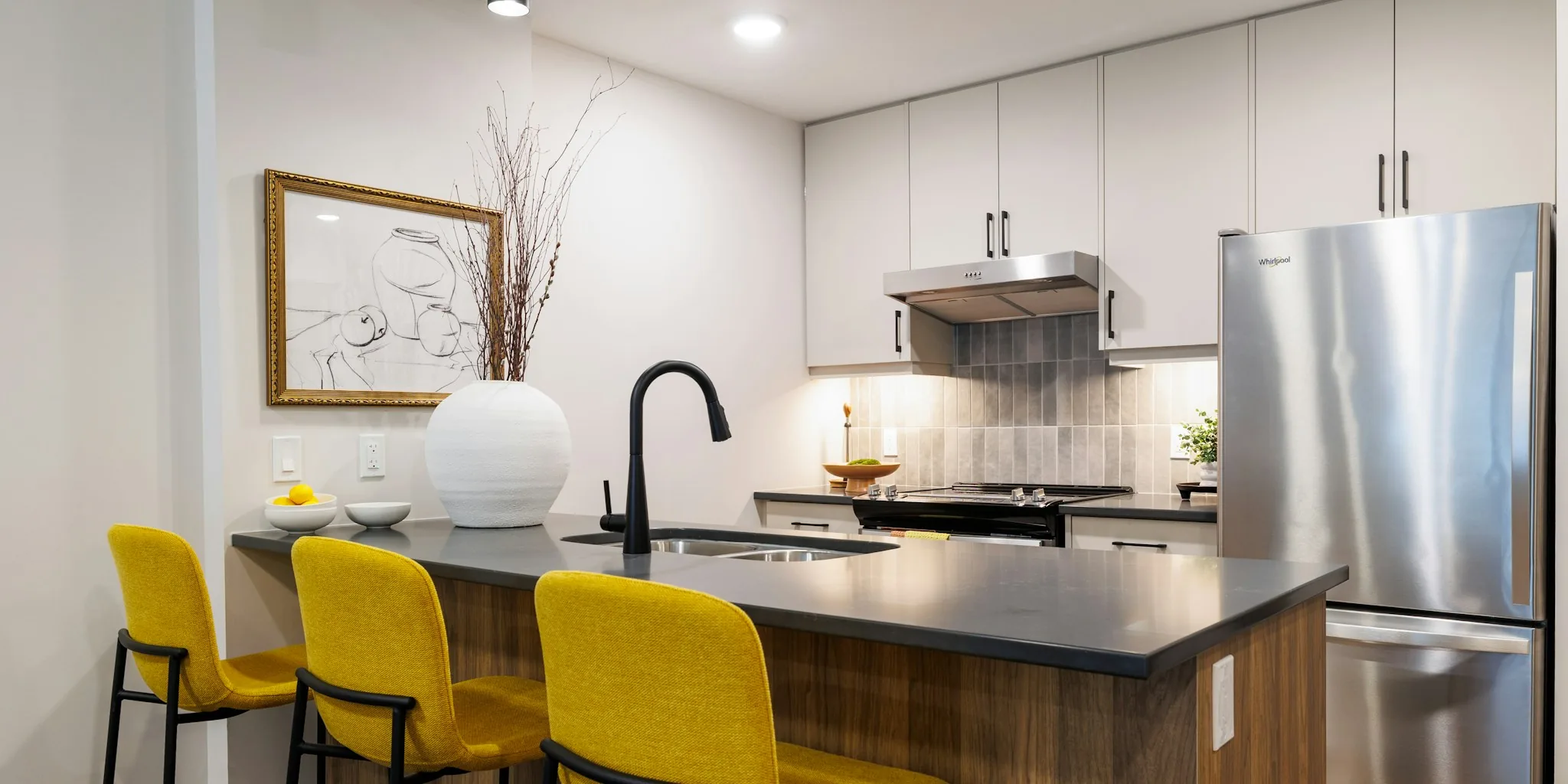

A striking shift in kitchen design preferences is emerging across home renovation projects, signaling that buyers and homeowners are turning away from the all-neutral aesthetic that dominated recent years. The trend centers on incorporating bold, saturated colors into kitchen spaces, particularly in cabinetry and wall treatments, as a way to inject personality and energy into homes.
According to recent renovation documentation, homeowners are increasingly viewing kitchens as the emotional and functional heart of their living spaces, which means the visual treatment of these areas now carries greater significance. Rather than treating kitchens as purely utilitarian zones, designers and homeowners alike are reconsidering how color choices can transform the entire atmosphere of a home.
Why Neutral Kitchens Are Falling Out of Favor
For much of the past decade, beige, gray, and sand-toned kitchens dominated the residential design landscape. However, this aesthetic is losing appeal as homeowners express fatigue with what many describe as the overly polished, gentrified look of neutral palettes. The shift reflects a broader desire for warmth, character, and visual interest in everyday living spaces.
Interior designers and homeowners now recognize that neutral does not automatically equal timeless. Instead, the emerging consensus suggests that thoughtfully chosen colors can age beautifully and create stronger emotional connections to a home. This perspective is particularly important for those planning kitchen renovations, as the kitchen typically represents one of the largest investments in a home improvement project.
Yellow Kitchens Lead the Color Movement
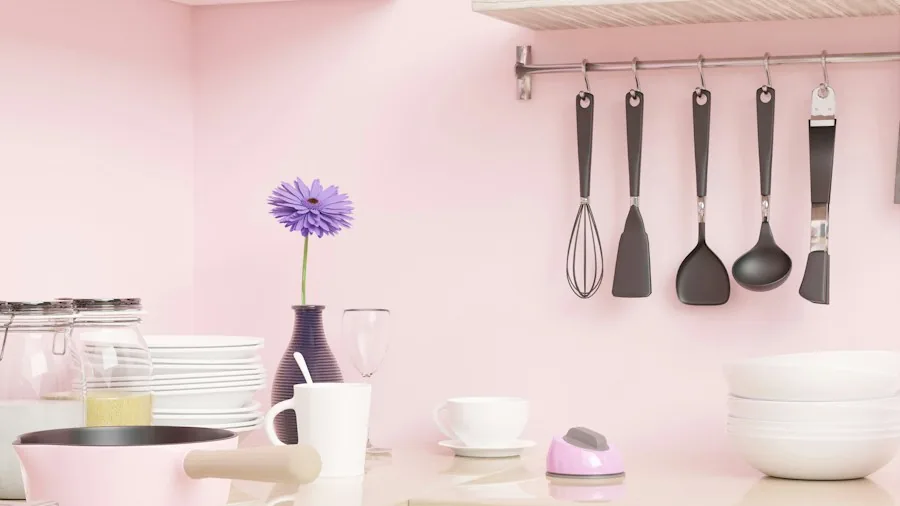
Yellow has emerged as a frontrunner in the color revolution, with multiple high-profile renovations featuring sunshine-toned cabinetry. The color works to brighten spaces, create visual warmth, and establish a sense of liveliness that neutral tones cannot achieve. Kitchen design professionals note that yellow pairs well with both modern and eclectic design sensibilities, making it accessible to various style preferences.
The appeal of yellow kitchens extends beyond aesthetics. Homeowners report that vibrant colors make their kitchens feel more inviting and energizing, which directly impacts how families use and enjoy these spaces daily. When a kitchen feels alive and welcoming, it naturally becomes a gathering point rather than a purely functional zone.
Maximizing Small Kitchen Spaces With Design Strategy
Recent renovation projects demonstrate that color choices become even more critical in smaller kitchens, where every design decision must work harder. In compact kitchen layouts, bright colors can counterintuitively make spaces feel larger and more open, while neutral tones sometimes amplify the sense of constraint.
Practical storage solutions also play a vital role in small kitchen success. High cabinets, often avoided in traditional design, now receive recognition as essential storage maximizers. For those tackling kitchen organization challenges, fall kitchen decluttering guidance can help identify which items truly belong in your space.
The kitchen renovation process itself requires careful planning and phasing. Most substantial kitchen projects require four months or longer, involving not just cabinetry replacement but also electrical system upgrades, plumbing modifications, and foundational structural work. Homeowners should anticipate that modernizing utility systems is essential when moving beyond cosmetic updates.
Blending Personal Style With Practical Design
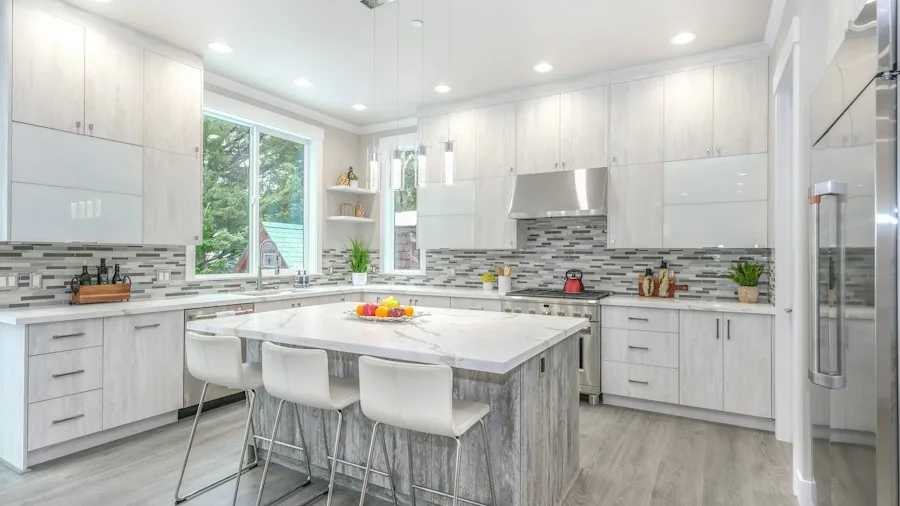
Successful kitchen renovations balance personal expression with functionality. Rather than adhering strictly to design rules, homeowners increasingly favor a collected, intentional approach that reflects their actual lives and interests. This might include displayed kitchen tools, artwork, or other objects that hold personal meaning.
The design philosophy extends to respecting existing architectural elements when possible. Rather than removing original features entirely, strategic modifications can preserve historical character while creating contemporary comfort. This approach reduces waste, maintains a home’s unique identity, and often proves more budget-conscious than complete replacement.
What Kitchen Shoppers Should Know Now
For those planning kitchen updates, the market now offers significantly more color options and personalization possibilities than in previous years. Cabinetry manufacturers and designers increasingly recognize demand for non-neutral finishes, making it easier to source materials that match bold aesthetic visions.
Budget considerations remain important, particularly when prioritizing which upgrades deliver the greatest impact. Kitchen functionality improvements like innovative organization solutions can coexist alongside aesthetic enhancements.
The shift away from universal neutrality signals a broader permission slip for homeowners to trust their instincts and embrace color. As design trends continue evolving, the kitchen industry is responding with products and services that support more expressive, individualized spaces. This transition benefits shoppers by expanding available options and validating the desire to create kitchens that feel genuinely personal rather than merely compliant with passing trends.




Write Your Review
No reviews yet. Be the first to share your experience!