


Cold Weather Brings Indoor Air Quality Challenges
As temperatures drop heading into the winter months, homes become more sealed off from the outdoors. This shift has a direct impact on indoor air quality, since natural ventilation from open windows and doors decreases significantly. The result is that indoor pollutants accumulate more easily, making air purifiers an increasingly important investment for households concerned about what they’re breathing indoors.
According to expert testing conducted over more than five years, modern air purifiers can effectively combat a wide range of indoor contaminants. These include particles from cooking fumes, odors from candles and household cleaners, dust mites, pollen, and pet dander. Understanding your options helps you select a device that matches both your home’s needs and your budget.
What to Look For When Shopping for an Air Purifier
Several factors matter when choosing an air purifier. First, consider your room size. Manufacturers list coverage areas in square feet, and experts recommend focusing on the lower figure listed, which indicates how much space the purifier can clean in one hour. This gives you a realistic sense of performance speed.
Filtration technology is equally critical. True HEPA filters are certified to capture 99.97% of particles as small as 0.3 microns in diameter, and some models perform even better, capturing particles down to 0.1 microns. Pre-filters that trap larger debris like dust and pet hair, combined with activated carbon filters that neutralize odors and some harmful chemicals, create a multi-stage system that delivers superior results. Many shoppers don’t realize that filters come with replacement costs ranging from under twenty dollars to over one hundred dollars, so factor ongoing maintenance into your budget.
A measurement called CADR (clean air delivery rate) indicates how much clean air a purifier produces per minute. A practical rule of thumb is that CADR should be at least two-thirds of your room’s square footage. For a three-hundred-square-foot bedroom, aim for a CADR of two hundred or higher.
Top Performers Across Different Needs
For those seeking all-around performance in moderate-sized spaces, expert testing has identified models that capture contaminants quickly while operating quietly. These devices feature Wi-Fi connectivity and smartphone apps that let you monitor air quality remotely and adjust settings from anywhere in your home.
Budget-conscious shoppers will appreciate entry-level options that include built-in air quality sensors. These automatically adjust fan speed based on detected particulate matter, removing guesswork from operation. Many users report noticeable improvements within the first hour of use. The trade-off is that these models may produce more noise at higher settings, and their filtration is less effective in hot or humid climates.
If aesthetics matter to you, several newer models feature stylish designs that blend seamlessly with home decor. Some include customizable paneling in multiple finishes, and they deliver performance ratings on par with bulkier competitors. The benefit here is that you don’t sacrifice form for function.
Specialized Solutions for Unique Situations

For homes with limited floor space, wall-mounted models offer a sleek alternative that preserves square footage while maintaining strong filtration. These units feature multi-stage purification and can be extremely quiet, even at higher settings.
Households with large rooms or open-concept layouts should consider models designed for comprehensive coverage across expansive areas. High-powered fans combined with multi-layered filtration systems handle rooms exceeding one thousand square feet effectively. Expect to pay a premium for this capability, and budget accordingly for filter replacements, which cost more than standard models.
Homeowners undertaking renovations face unique challenges, since construction and remodeling generate substantial dust and off-gassing from solvents and adhesives. Specialized heavy-duty purifiers designed for job sites feature durable housings, powerful motors, and practical additions like onboard electrical outlets for charging tools and phones. These machines excel at both clearing airborne debris and drying damp spaces after water damage.
Real-World Effectiveness and Placement Strategy
Do air purifiers actually work? Yes. They use filters and fans to remove particles and circulate cleaned air back into your space. People with allergies or asthma particularly benefit from true HEPA models, since they remove common allergens and fine particles that trigger symptoms.
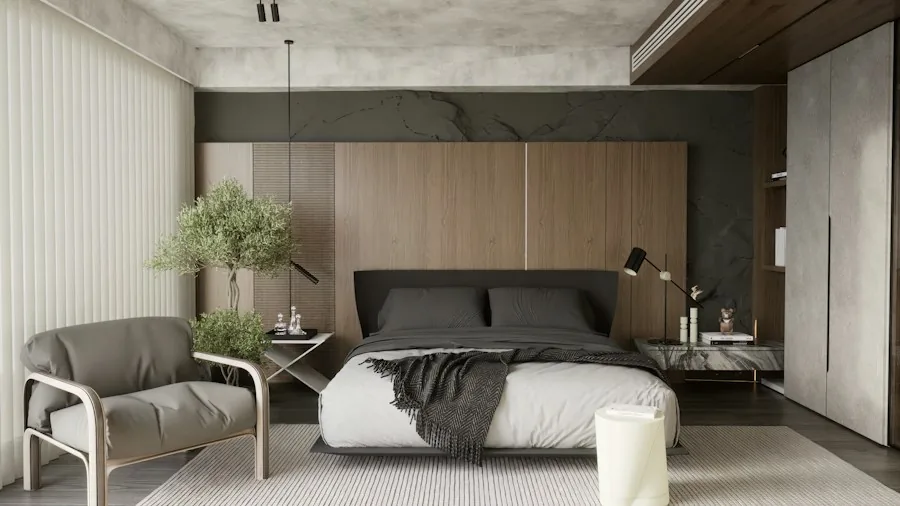
However, real-world effectiveness may not match laboratory performance. Placement matters significantly. Position your purifier as close as possible to pollution sources. In the kitchen, this means near the cooktop to capture cooking odors and fumes. In bedrooms, place the unit near the bed to filter contaminants from the air you breathe during sleep. Some people appreciate the white noise generated by the fan, which can improve sleep quality.
As winter approaches, ensuring clean indoor air becomes essential. Whether you prioritize budget, design, room coverage, or specialized applications, understanding these factors empowers you to make an informed decision that improves your home’s air quality and your family’s health throughout the season.



Write Your Review
No reviews yet. Be the first to share your experience!