
A New Approach to Outdoor Lighting Tackles Two Problems at Once
Outdoor lighting has always presented homeowners with a dilemma. Standard fixtures illuminate your patio or garden, but they often attract unwanted insects that disrupt your evenings. Now, a creative DIY solution is gaining traction: a fabric chandelier designed to repel mosquitoes while providing ambient light. This hybrid approach addresses both the lighting and pest control challenges that plague outdoor entertaining spaces.
Unlike moths and other insects that are drawn to light sources, mosquitoes are actually attracted to heat, carbon dioxide, and body odor. This distinction opens up new possibilities for outdoor lighting design. A mosquito-repelling chandelier uses essential oils absorbed into fabric scraps to create a protective zone while maintaining aesthetic appeal and illumination. For shoppers tired of choosing between bug spray and outdoor ambiance, this option offers a multifunctional alternative.
How the Mosquito-Repelling Chandelier Works

The basic structure combines a sturdy metal or wooden ring with natural fabric strips and decorative faux greenery. The fabric absorbs and releases essential oils, which are the key to the mosquito-repelling function. Materials like cotton, linen, and bamboo work best because their porous structure retains oils more effectively than synthetic fabrics. The chandelier hangs from multiple strings anchored at even intervals, creating a balanced, decorative piece that fits seamlessly into outdoor decor.
Building one doesn’t require advanced DIY skills or expensive materials. Shoppers can source fabric scraps from thrift stores to keep costs down, and the ring structure can be sealed with basic outdoor sealant to extend its lifespan. When properly assembled, these outdoor lighting pieces contribute to a sophisticated ambiance that rivals traditional fixtures while serving a practical purpose.
Essential Oils That Protect Your Space
The effectiveness of this lighting solution depends entirely on which mosquito-repelling substances you apply to the fabric. The Environmental Protection Agency has tested and registered several essential oils as safe repellents: catnip oil, citronella oil, and oil of lemon eucalyptus all show proven results. These options are also skin-safe, making them appropriate for use in spaces where people gather closely.
However, timing and frequency matter significantly. Essential oils evaporate rapidly, so you must reapply them immediately before using your outdoor space and again every two hours for maximum effectiveness. This ongoing maintenance requirement means the chandelier works best as part of a comprehensive mosquito-control strategy rather than as a standalone solution. Combining this lighting approach with personal repellents and environmental modifications like removing standing water creates a more robust defense against bites.
Safety Considerations for Outdoor Lighting
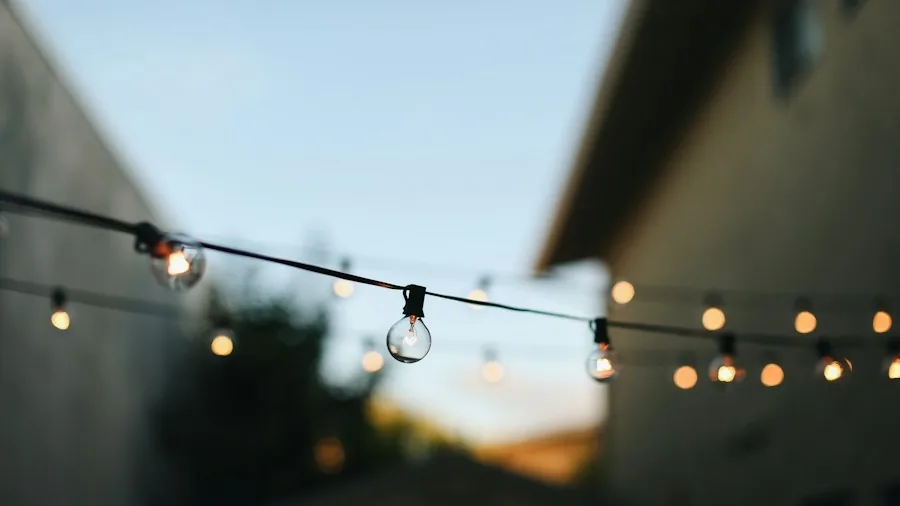
While the concept is appealing, integrating lighting into a fabric chandelier requires careful attention to fire safety. Both the natural fabrics and many essential oils are flammable, making improper lighting choices a genuine hazard. LED bulbs represent the safest option because they produce minimal heat and significantly reduce fire risk compared to traditional incandescent bulbs.
When choosing how to illuminate your chandelier, maintain clear separation between any light source and the fabric. Fairy lights wrapped around the structure can create a beautiful effect, but select only those with proper fire safety certifications. Many shoppers find that hanging the chandelier as an unlit decorative piece by day and adding subtle lighting only when needed offers the best balance between aesthetics and safety. Regular inspection of the chandelier ensures no bulbs have damaged and no fabric pieces have shifted into dangerous positions.
What This Means for Outdoor Lighting Shoppers
This trend reflects a broader shift in how consumers approach outdoor entertainment spaces. Rather than accepting the limitations of traditional lighting, shoppers increasingly seek multifunctional solutions that address multiple concerns simultaneously. Just as innovative lighting design has transformed interior spaces, creative approaches to outdoor fixtures are elevating the entire category.
For buyers evaluating their outdoor lighting options, a mosquito-repelling chandelier represents an accessible middle ground. It requires no electrical work, costs significantly less than permanent fixtures, and can be customized to match any decorating style. Natural fabrics paired with faux greenery create a cohesive outdoor aesthetic that adapts to budget-conscious purchasing patterns seen across the lighting market.
As more homeowners discover this approach, expect to see increased interest in natural fabrics, essential oils, and low-heat lighting options. Whether you build your own or purchase a ready-made version, understanding how these components work together helps you make informed decisions about your outdoor space. This solution proves that functional outdoor lighting doesn’t require sacrificing pest control or aesthetic appeal.