


When planning a home renovation or redesign, most of us focus on furniture, paint colors, and decor first. But interior designers know better: lighting should be one of the very first decisions you make, not an afterthought. Getting lighting right requires intentional planning that happens alongside architectural decisions and furniture placement, not months later when you’re standing in a finished room wondering why everything looks wrong.
Why Early Planning Matters
The placement of a bedside sconce depends on knowing exactly where your headboard sits and whether you read in bed or use it purely for ambiance. A chandelier must be positioned based on your dining table’s exact location and size. A reading lamp needs to match where you actually sit to relax. These details cannot be figured out once drywall is up and furniture is in place. Waiting until the end of your project almost guarantees dissatisfaction, because correcting lighting mistakes after construction is complete is expensive and disruptive.
Rule 1: Layer Your Lighting Sources
The most important principle in residential lighting is layering. A well-lit room uses wall sconces, table lamps, floor lamps, picture lights, pendants, and chandeliers working together rather than relying on a single ceiling fixture. Think of your lighting the way you think about dressing a room: you need variety in height, source, and style. A pair of matching sconces does not need to match your table lamps. A vintage floor lamp can sit beside a modern table lamp. Mixing fixtures creates a collected, lived-in feel instead of a sterile showroom appearance. Your ceiling fixture should never carry the entire emotional burden of illuminating the room.
Rule 2: Include Practical Ceiling Lights
While layering is essential, recessed ceiling lights serve an important functional purpose. You need them for practical tasks like cleaning, finding dropped items, or providing adequate brightness on dark winter days. The key is ensuring they actually reach the floor and aren’t just lighting the upper half of your room. Ceiling height matters significantly here: once you exceed 12 feet, recessed light placement becomes more critical since beam spread and fixture type determine whether light actually reaches work surfaces below. Never assume that 20 recessed fixtures automatically solves your lighting needs.
Rule 3: Be Bold With Fixture Scale
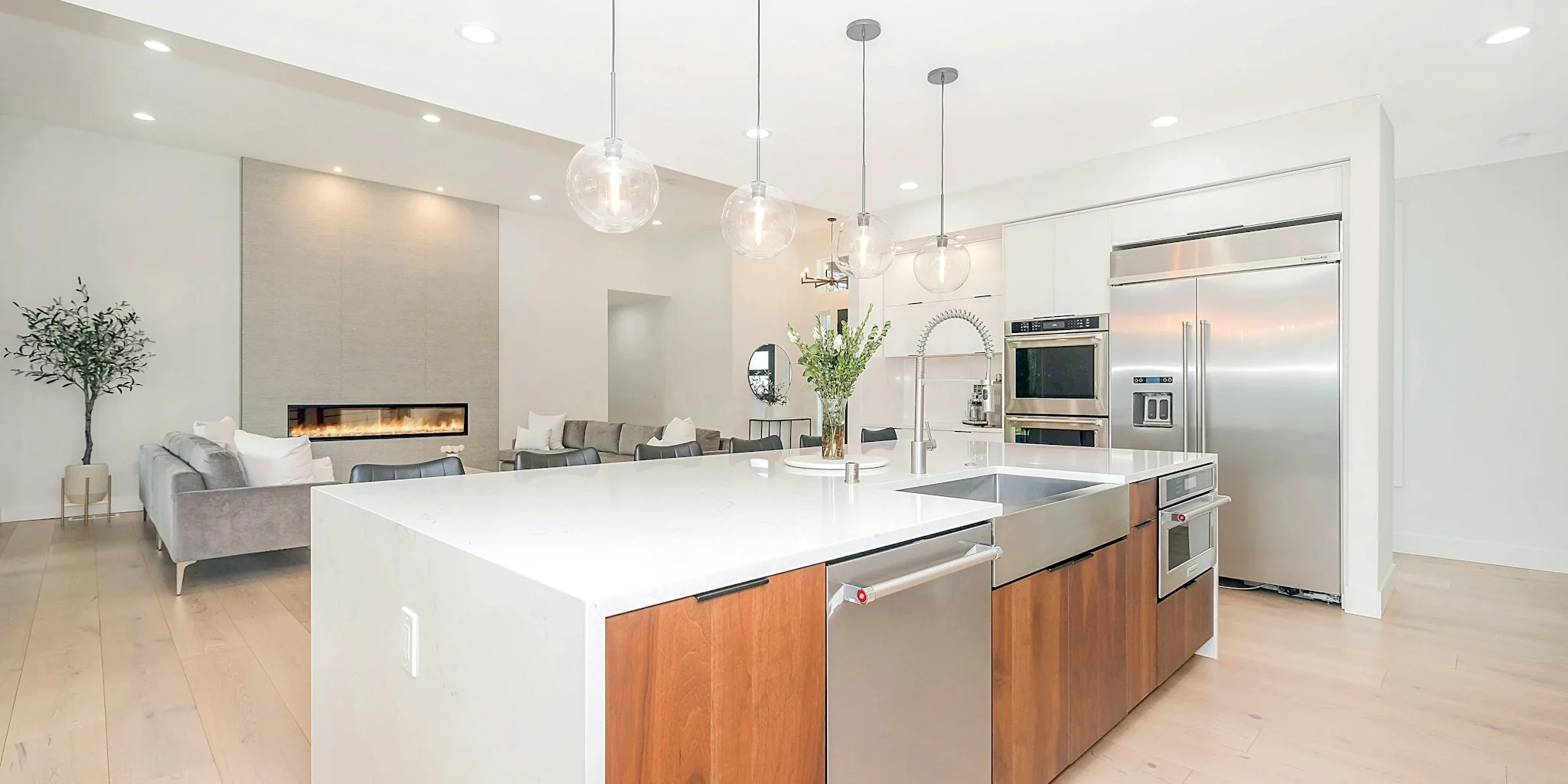
Chandeliers and pendant lights are where you can take design risks. Multi shade chandeliers reshape living room lighting by offering unexpected visual interest and better light distribution. Over a kitchen island, try two substantial pendants, or go bolder with three to five smaller fixtures arranged together. In a dining room, one oversized chandelier can be perfectly appropriate. Fixtures appear smaller once hung at ceiling height than they do sitting in a box, so don’t second guess your choice. Vintage 1960s lamps are back with statement making styles that prove personality in lighting never goes out of style. Invest in dimmers, which rank among the best interior design innovations because they allow one fixture to serve multiple moods throughout the day.
Rule 4: Choose Warm Color Temperature
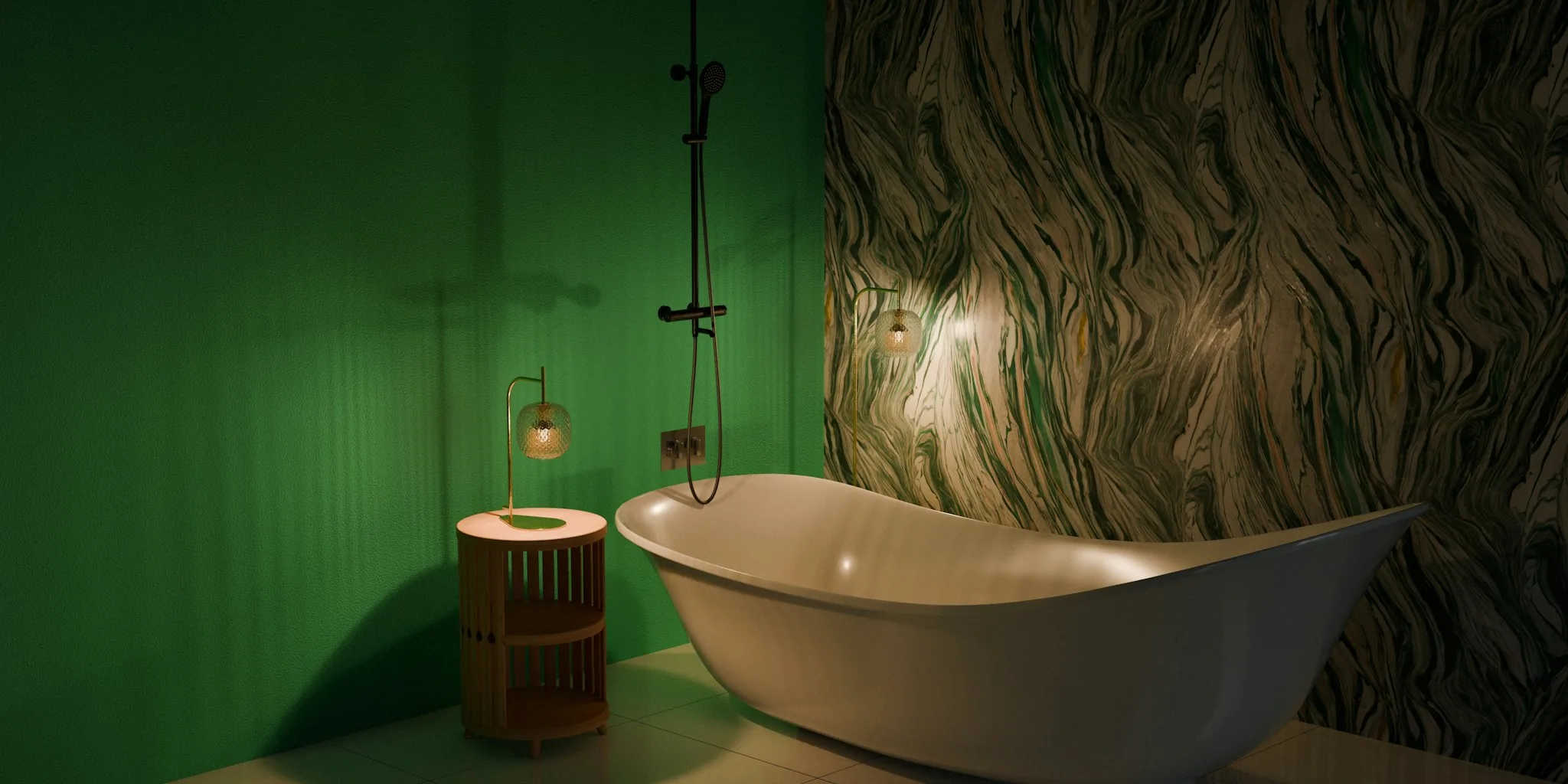
This is the one rule worth defending passionately: avoid cool, blue toned daylight bulbs throughout your home. Harsh, bright light makes even beautiful spaces feel clinical and uninviting. Warm light makes wood appear richer, fabrics feel softer, and wall colors read more naturally. Your home should glow, never fluoresce. The bulb matters just as much as the fixture itself. A gorgeous lamp paired with harsh, cool lighting still delivers harsh, cool results.
Rule 5: Embrace Cordless and Battery Powered Options
Modern cordless lamps and battery powered lighting solve real design problems. When your perfect reading chair sits 14 feet from the nearest outlet, a cordless lamp adds another light layer without requiring wall surgery. Battery powered sconces have become one of the most practical innovations for renters, homes with challenging wiring, and anyone who likes to change their space frequently. Creative lighting alternatives open up design possibilities previously thought impossible. You gain design flexibility without permanent electrical commitments.
Rule 6: Create Responsive Lighting Plans
Excellent lighting is not about maximum brightness or fixture density. It is about creating layered illumination that responds to how you actually live in your space. Start with functional ceiling lights for practical tasks. Add decorative fixtures like chandeliers and pendants for visual focal points. Bring light down to eye level with lamps and sconces. Place everything possible on dimmers. Keep color temperature warm. Mix styles and sources instead of trying to match everything perfectly. The best lit rooms are bright enough to clean effectively but soft enough to hide dust bunnies when you want to ignore them.




Write Your Review
No reviews yet. Be the first to share your experience!