
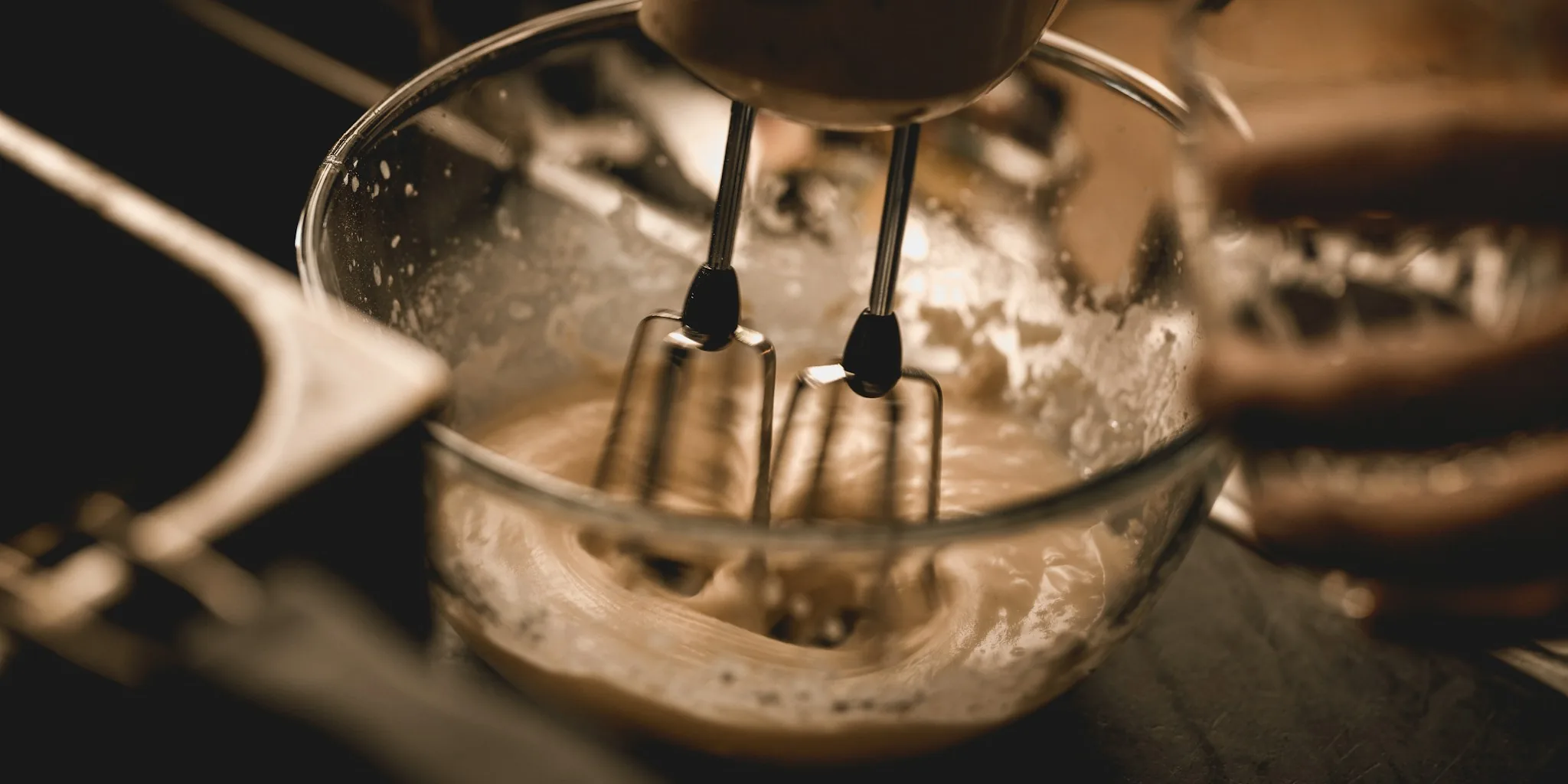

If you spend any real time cooking or baking, you’ve probably noticed that not all mixing bowls are created equal. Each material brings different strengths to the table, and choosing the right ones can actually make meal prep smoother and more efficient. Whether you’re whipping egg whites, melting chocolate, or prepping tomorrow’s salad, understanding what each bowl type does best helps you stock your kitchen wisely.
Why Your Kitchen Needs More Than One Type
Most home cooks benefit from having multiple mixing bowls on hand, and that makes sense once you understand what each material excels at. A single bowl won’t handle every task equally well. Some materials work beautifully on the stovetop, others in the microwave, and some are purely designed for cold ingredients. The material you choose should match your cooking needs and the specific tasks you tackle most often.
Plastic Bowls: Budget Friendly and Lightweight
Plastic mixing bowls remain the most affordable option and work perfectly for tasks that don’t involve heat. They’re ideal for whipping cream, mixing cookie doughs, tossing salads, and everyday prep work. The lightweight nature makes them easy to handle, and many modern sets use recycled materials if sustainability matters to you. The main limitation is that they’re strictly for cold ingredients and won’t hold up to direct heat. Look for recycled plastic options that perform just as well at a fraction of the price of premium alternatives.
Glass Bowls: The Microwave MVP
Glass mixing bowls shine when you need versatility across temperature ranges. They transition seamlessly from cold mixing to microwave heating, making them excellent for warming dips, reheating sauces, or preparing frozen vegetables. Most quality glass sets are freezer, microwave, and dishwasher safe, giving you maximum flexibility. Glass also lets you see exactly what you’re mixing, which can be helpful when blending ingredients or checking consistency. If you want one bowl type that does it all, glass is your answer.
Stainless Steel: The Baker’s Favorite
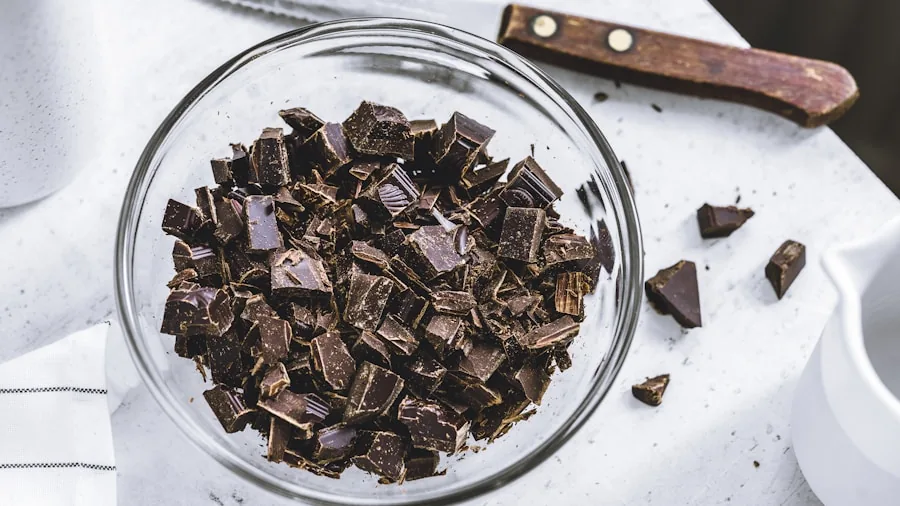
Sturdy stainless steel mixing bowls handle serious kitchen work without complaint. They’re exceptionally easy to clean and won’t retain flavors or stains from previous ingredients. Bakers particularly love them for melting chocolate over a double boiler setup on the stovetop. They’re durable enough to last for years and typically dishwasher safe, though you’ll want to avoid the microwave with these. For home cooks who make mashed potatoes regularly or work with chocolate tempering, stainless steel bowls earn their shelf space through dependable performance.
Copper Bowls: Specialized but Impressive
Copper mixing bowls occupy a unique niche in the kitchen world. They’re prized by serious bakers who work with egg whites frequently because whipping whites in copper creates a glossier, firmer result with less risk of overbeating or graininess. The chemistry works because of how copper reacts with proteins in the eggs. However, these bowls are pricey, can be temperamental with acidic ingredients and salt, and aren’t versatile for everyday use. True copper bowls are typically sold individually at premium prices. If you’re interested in copper benefits without the cost and care requirements, copper-plated stainless steel options offer a middle ground.
Ceramic Bowls: The Bread Baker’s Secret
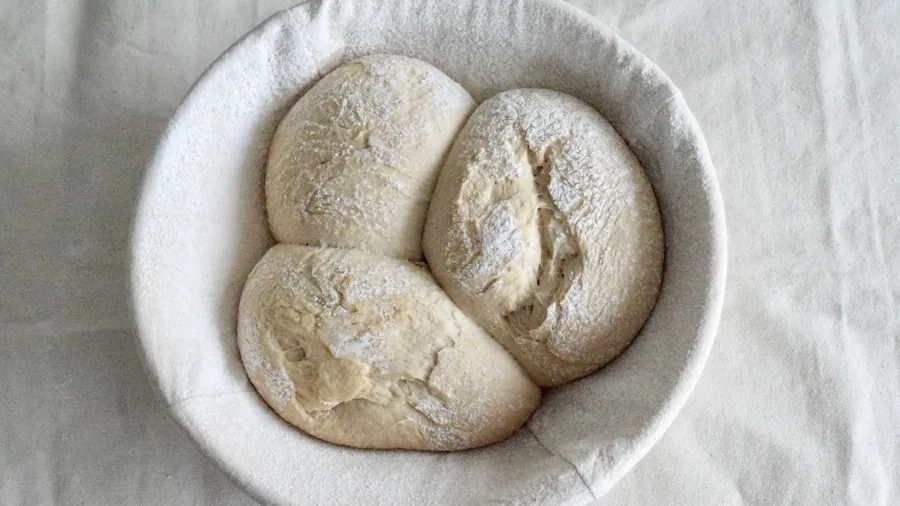
Ceramic mixing bowls deserve special attention if you bake bread regularly. Their excellent heat retention makes them ideal for proofing yeasted doughs, helping them rise evenly and predictably. Most ceramic bowls are microwave, freezer, and dishwasher safe, adding practical versatility. Many also feature pouring spouts along the rim, making it easier to transfer batters directly into baking pans without mess. They’re also great for melting butter and chocolate in the microwave and work well for sticky doughs that need a surface with some grip.
Silicone Bowls: Flexible and Modern
Silicone mixing bowls might not be your first instinct, but their flexible construction solves real problems. The bendy sides make it incredibly easy to transfer sticky batters, doughs, and thick sauces without losing anything to the bowl. Most silicone bowls are oven and microwave safe and clean up effortlessly in the dishwasher. They’re particularly useful when working with peanut butter, honey, maple syrup, and other ingredients that normally cling stubbornly to regular bowls. Their non-slip bottoms also prevent the bowl from sliding around while you mix vigorously.
Building Your Kitchen Bowl Collection
Smart shoppers often keep one set of each material type rather than loading up on just one kind. A practical kitchen setup might include plastic bowls for everyday cold prep, glass for microwave work, ceramic for bread proofing, and stainless steel for baking projects. Starting with versatile options like glass and stainless steel before adding specialized bowls lets you invest gradually as your cooking needs evolve. Consider also adding finishing touches to your kitchen like stove gap covers to keep your countertop cleaner while you work, or exploring how viral prep tricks can cut your kitchen prep time down significantly.
Take time to assess what you cook most often, then match your bowl purchases to those tasks. The right collection transforms mixing from a chore into a more enjoyable part of your cooking routine.





Write Your Review
No reviews yet. Be the first to share your experience!