
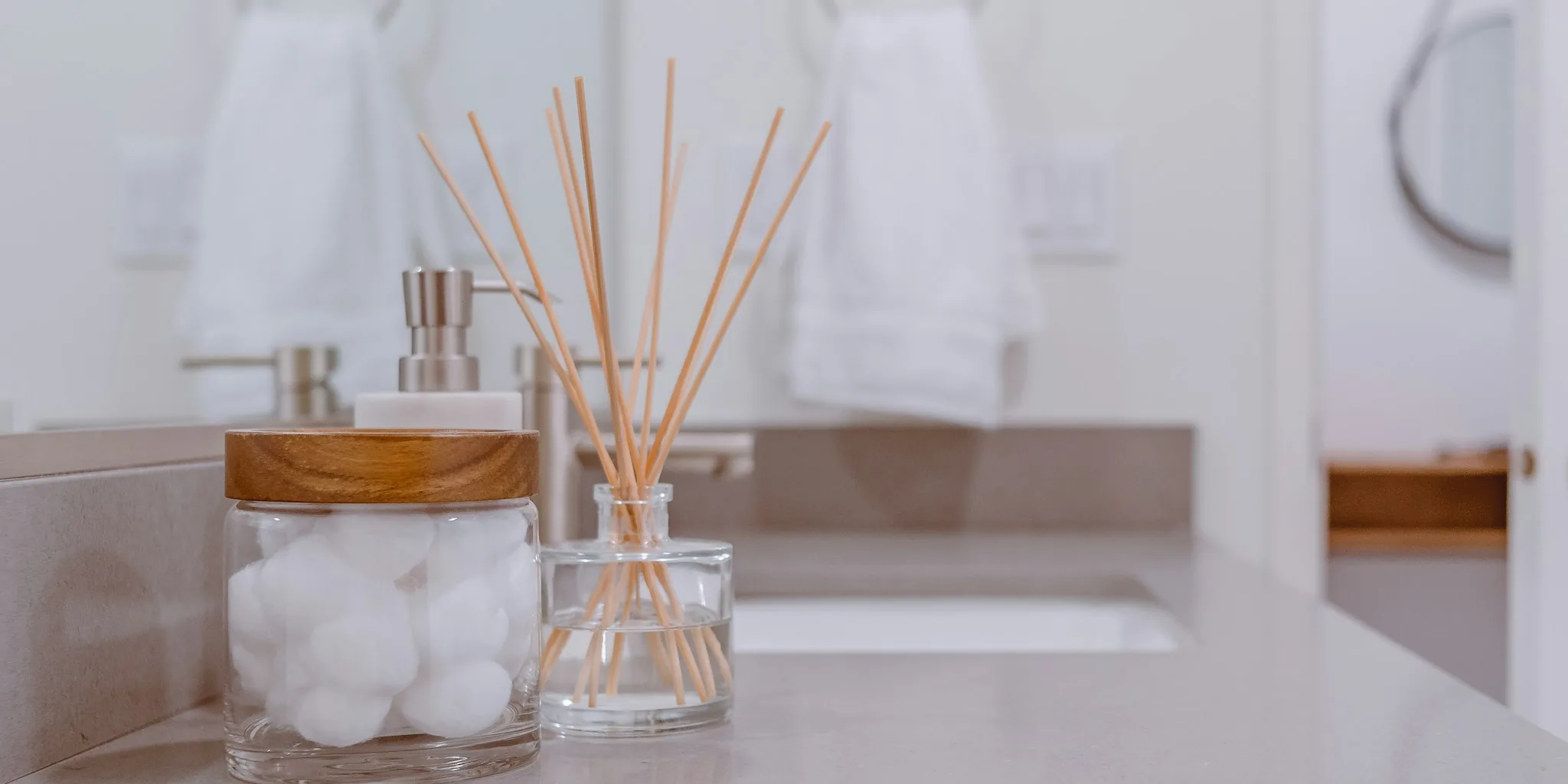

Natural Potpourri Joins the Compost Conversation
When most people think about what belongs in a compost pile, bathroom items rarely come to mind. However, a growing number of eco-conscious shoppers are discovering that natural bathroom fragrances like potpourri can actually be composted, making them a genuinely sustainable choice for home fragrance. This revelation challenges common assumptions about what materials can safely return to the earth and offers consumers a practical way to reduce household waste while enjoying pleasant scents throughout their homes.
Understanding What Can and Cannot Be Composted
Composting basics revolve around balancing two types of materials: nitrogen-rich greens and carbon-rich browns. Most people understand that kitchen scraps belong in a compost bin, but many overlook non-food items that decompose safely. The key distinction for shoppers is understanding which bathroom staples are appropriate for composting and which are not. Artificial scent boosters, synthetic fragrances, and many store-bought products contain chemicals and microplastics that can contaminate soil and harm plant growth. Natural alternatives, however, present a different opportunity.
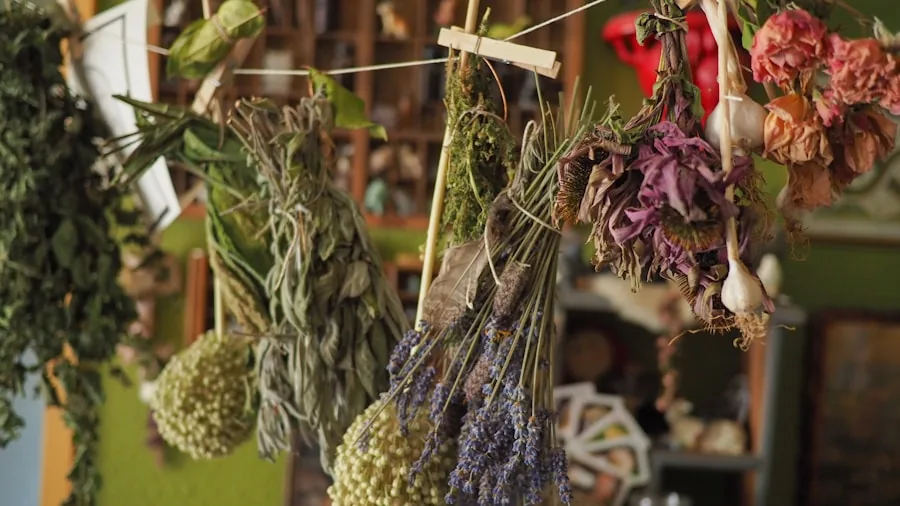
Dried flowers, herbs, spices, and fruit slices used in natural potpourri are completely safe for composting. When these ingredients have finished releasing their fragrance, rather than discarding them, consumers can add them to their compost pile as part of a balanced mixture. This approach extends the lifecycle of a product that already serves a purpose in your bathroom while supporting environmental goals.
Making Natural Potpourri at Home
Creating custom potpourri is simpler than many shoppers realize. Start with dried flowers, herbs, spices, and dried fruit slices, all of which should be completely dry to prevent mold growth. If fresh materials are all you have on hand, dehydrating them yourself is straightforward and takes minimal effort. For enhanced fragrance, a few drops of essential oils can boost the scent profile without introducing harmful chemicals. Displaying natural potpourri in your bathroom, entryway, or living room adds aesthetic appeal while naturally freshening your space.
An alternative method involves using the same dried ingredients in a simmer pot on the stove. This approach disperses fragrance more rapidly throughout your home as steam carries the scent. Both methods produce bathroom decor that eventually becomes compostable material, creating a closed-loop product experience.
Composting Your Spent Potpourri Materials
When your natural air freshener loses its potency, composting becomes the ideal disposal method. Understanding how different ingredients classify in the compost system helps shoppers optimize their composting efforts. Dried flowers count as carbon-rich browns, while dried herbs and fruit slices classify as nitrogen-rich greens due to their remaining nutrient content. If you’ve used a simmer pot method, those wet ingredients would all be considered greens for composting purposes.
A healthy compost pile maintains a ratio of browns to greens of approximately 2:1, 3:1, or even 4:1, with browns comprising the majority. Adding your spent potpourri ingredients contributes to this balance while demonstrating that sustainability extends beyond typical composting materials. Smart bathroom storage trends continue evolving, and eco-conscious waste management fits seamlessly into modern home practices.
What This Means for Bathroom Shoppers
The growing understanding that natural bathroom staples can be composted reflects a broader shift in how consumers approach home products and environmental responsibility. When selecting air fresheners and fragrances for your bathroom, reading ingredient labels becomes increasingly important. Look for products made from naturally derived materials, or invest time in making your own customized versions. As bathroom fixtures and accessories continue to evolve, sustainability considerations should factor into purchasing decisions alongside aesthetics and functionality.
Choosing natural over synthetic options offers multiple benefits. You avoid introducing harmful chemicals into your home environment, reduce microplastic contamination in your garden and local water systems, and gain the satisfaction of knowing your bathroom staples will eventually nourish your garden rather than sit in a landfill indefinitely. This approach represents genuine sustainability rather than greenwashing.
Taking Action in Your Own Bathroom
Starting a natural potpourri practice requires minimal investment and effort. If you already compost, adding this category of materials simply expands what you can incorporate. If you’ve been hesitant about composting due to uncertainty about what materials qualify, natural bathroom fragrances represent an excellent entry point. The cycle from scent to compost is straightforward: create or purchase natural potpourri, display it in your bathroom, and when the fragrance fades, transfer the materials to your compost bin.
This practice perfectly aligns with reducing household waste and supporting environmental health. By making informed choices about bathroom products and understanding what can be composted, shoppers gain agency over their environmental impact while maintaining the comfort and pleasant scents that make bathrooms welcoming spaces.





Write Your Review
No reviews yet. Be the first to share your experience!