

A Growing Shift Away from Plastic Storage
More American households are reconsidering their approach to food storage, and the reasons are compelling. Plastic containers that once seemed like kitchen staples are now viewed by many as problematic for both environmental and practical reasons. They absorb stains and odors over time, can leach chemicals when heated, and contribute to landfill waste. This shift has sparked renewed interest in alternatives that work better for long-term food preservation and align with sustainability goals.
Stainless steel food containers are emerging as a preferred option for shoppers looking to make the switch. These durable vessels offer advantages that go beyond simple food storage: they maintain their appearance after years of use, resist odor absorption, and work seamlessly in the freezer, refrigerator, and dishwasher. For those serious about reducing single-use plastics in their kitchens, this category of storage solution represents a practical turning point.
What Makes Stainless Steel Containers Different
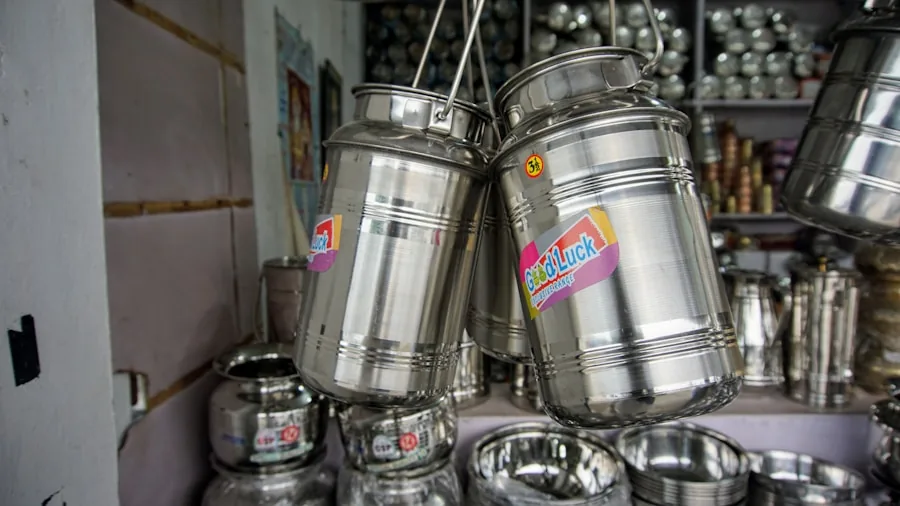
The appeal of stainless steel containers lies in their engineering and versatility. Unlike plastic, stainless steel won’t degrade with repeated washing or exposure to heat. Food like turmeric or curry won’t permanently stain the surface, and strong smells don’t linger the way they do in plastic alternatives. This durability means a single set can last for decades, making the initial investment increasingly economical over time.
Current options on the market include sets ranging from three containers to twelve-piece collections, with flexible sizing options to match different household needs. Many come equipped with removable dividers that allow users to customize storage layouts and keep multiple foods separated in a single container. Locking mechanisms that create airtight, leakproof seals are standard features, ensuring that food stays fresh and liquids don’t spill during transport or storage.
A popular three-piece set priced around $32 demonstrates that high-quality stainless steel storage doesn’t require a significant financial outlay. This affordability factor matters because it removes one of the primary barriers preventing shoppers from making the transition away from plastic. When sustainable alternatives cost roughly the same as their less durable counterparts, the choice becomes straightforward.
Real-World Performance and Long-Term Value
Users who have switched to stainless steel containers report consistently positive experiences across multiple applications. Weekly meal prep becomes more efficient when containers stack neatly and maintain their organization. Storing leftovers in the refrigerator or freezer works reliably, with the airtight seals preventing moisture loss and cross-contamination of flavors. Packing lunches for work or school benefits from the durability and genuine leak-proof design, eliminating the risk of spills that plague many plastic containers.
The durability advantage compounds over months and years. Where plastic containers typically require replacement every few years as they warp, stain, or develop structural issues, stainless steel containers maintain their integrity indefinitely. The initial cost per container may be slightly higher, but the lifespan advantage makes stainless steel considerably more economical than repeatedly purchasing replacement plastic sets.
Style considerations also factor into the appeal. Stainless steel containers have a professional, clean appearance that makes them suitable for visible kitchen storage. This aesthetic quality means shoppers don’t need to hide their storage solution behind cabinet doors if they prefer open shelving or want to display organized food storage. While creative storage solutions in tight kitchens often require strategic design choices, stainless steel containers work equally well as functional tools or design elements.
Practical Considerations for Shoppers
Those evaluating whether to switch should consider their current storage habits and future needs. Households that rely on meal prep will benefit most from sets with multiple sizes and flexible configurations. Freezer and dishwasher compatibility makes maintenance straightforward, reducing the incentive to stick with easier-care plastic alternatives. The ability to adjust interior layouts with removable dividers means containers adapt as needs change, rather than becoming obsolete when usage patterns shift.
Environmental impact remains significant for many shoppers. Eliminating single-use plastic from kitchens represents a tangible step toward reducing household waste. When multiplied across thousands of households making similar choices, the cumulative reduction in plastic entering landfills and oceans becomes meaningful.
For anyone interested in optimizing kitchen function and appearance, upgrading storage containers serves as an often-overlooked improvement. The containers you use daily influence workflow efficiency and visual organization. Switching to stainless steel addresses both practical performance and design continuity in ways that plastic containers struggle to match.
Moving Forward with Better Storage
The transition away from plastic food storage is neither complicated nor expensive. Affordable stainless steel container sets demonstrate that sustainable alternatives don’t require sacrifice on cost, durability, or convenience. For shoppers ready to make a meaningful change in their kitchen practices, this category offers a clear path forward that delivers benefits across multiple dimensions.






Write Your Review
No reviews yet. Be the first to share your experience!