
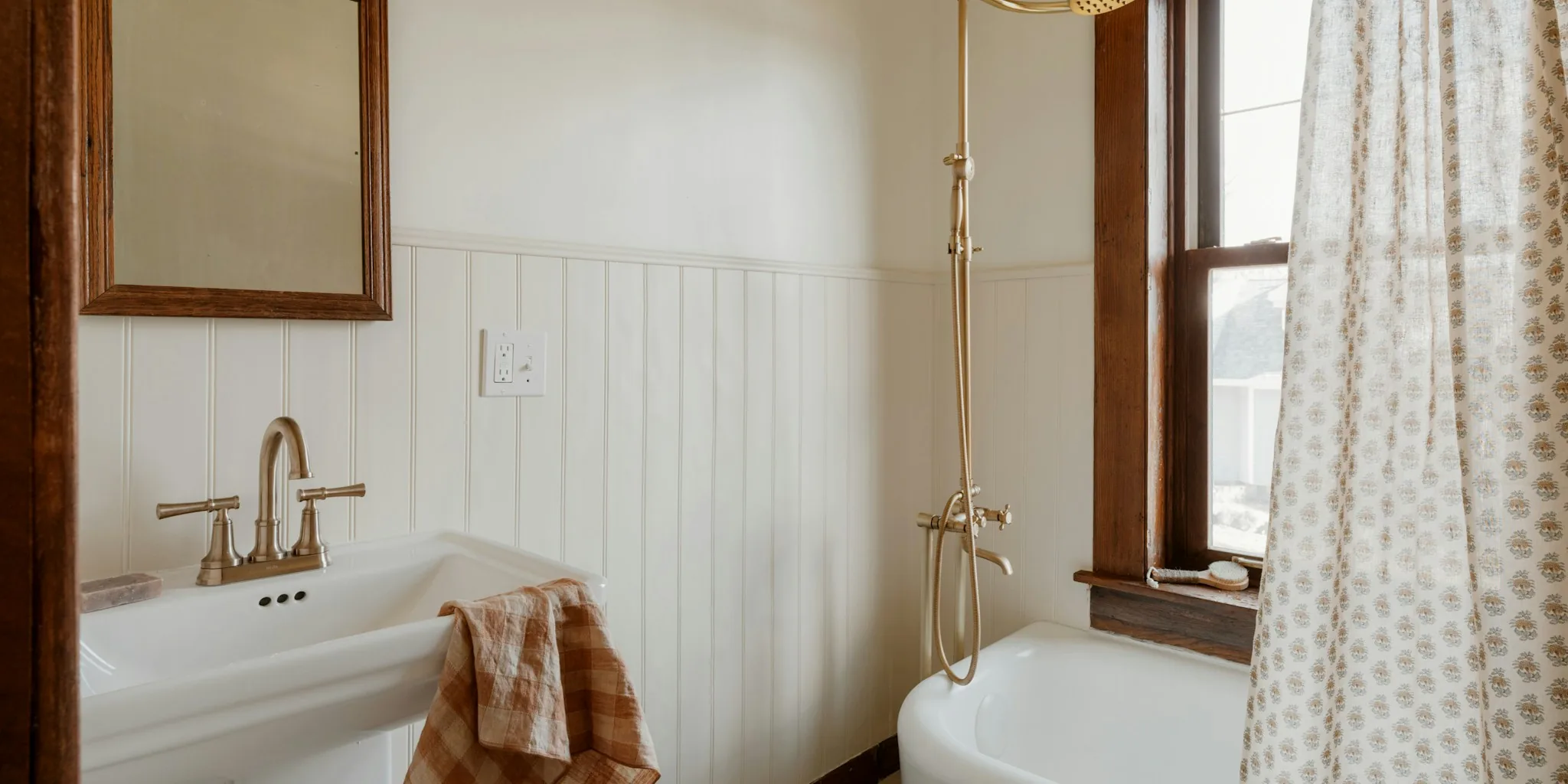

A Growing Movement Toward Sustainable Bathroom Design
Bathroom design trends are shifting as homeowners seek alternatives to mass-produced fixtures and décor. One emerging trend gaining momentum is repurposing thrifted quilts as shower curtains, replacing conventional plastic or fabric options found in most retail stores. This approach combines sustainability with aesthetic appeal, offering shoppers a way to reduce waste while adding personality to their bathroom spaces.
Why Shoppers Are Making the Switch
Traditional shower curtains often lack character and individuality. Many consumers find themselves settling for generic designs that do little to enhance their bathroom atmosphere. Thrifted quilts provide a solution by introducing color, texture, and historical charm into the space. Each vintage quilt carries its own story and pattern, making it impossible to find an identical match elsewhere. This uniqueness appeals to shoppers tired of seeing the same décor in every home.
Beyond aesthetics, the environmental appeal is significant. By upcycling a quilt from a thrift store instead of purchasing a new curtain, consumers actively participate in reducing textile waste. This aligns with broader consumer interest in sustainable home improvement practices, similar to how reclaimed wood transforms bathrooms through sustainable design choices. The financial advantage is another draw, as quality vintage quilts often cost far less than designer shower curtains.
Selecting the Right Quilt for Your Bathroom
Not every thrifted quilt works as a shower curtain. Weight is the primary consideration. Standard tension rods can support approximately 20 pounds, while mounted rods handle slightly more. Shoppers should seek quilts that are lightweight enough to prevent the rail from slipping or collapsing under strain. This may mean looking for quilts with minimal batting or thinner construction.
Color coordination matters equally. The quilt should complement your existing bathroom palette and fixtures. Rather than forcing a mismatched piece into the space, taking time to find one that feels intentional creates a cohesive design. Thrift stores offer endless options, so patience in selection pays off in the finished result.
The DIY Process: Preparation and Hanging
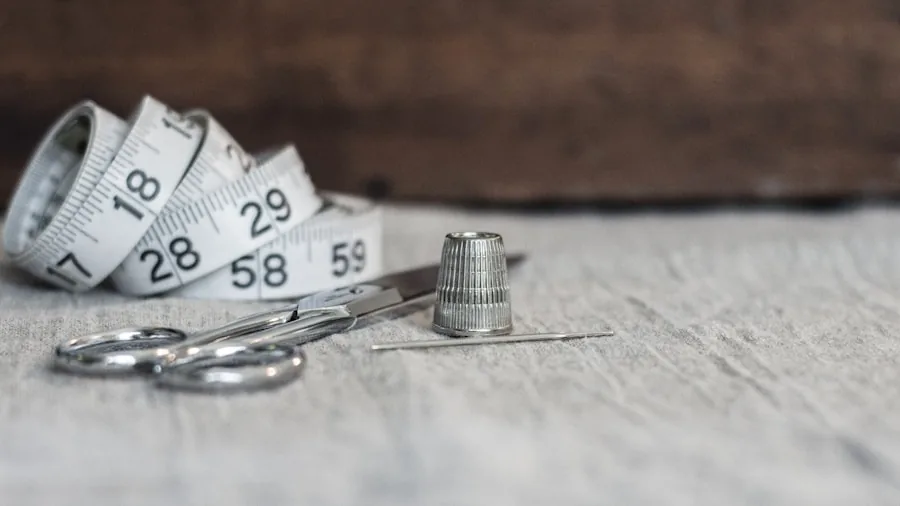
Preparing a quilt for shower duty requires basic sewing skills. First, measure the distance from your shower rail to the floor to determine the required length. If the quilt is too long, trim the excess, leaving an extra inch or two for hemming. For heavier quilts, consider removing some internal batting to reduce weight, making them safer for standard rods.
Hemming the cut edge prevents fraying and creates a polished appearance. Hand-stitching or machine-sewing both work, depending on your comfort level and time availability. This step transforms a simple cut into a finished, intentional edge that looks professionally done.
Hanging methods vary based on personal preference. Shower rings with clamps offer a straightforward approach, pinching both the quilt and plastic liner together along the entire width. Alternatively, ribbons sewn at regular intervals along the top create a whimsical accent while remaining functional. When using ribbons, leave the ends loose so they can slide across the rail as needed, and avoid tying them too tightly to maintain easy access to the bathtub.
Protecting Your Investment
The key to longevity is keeping the quilt dry. Always hang it on the outside of the plastic liner rather than directly against the shower walls. This positioning allows the liner to absorb water while your quilt remains protected. Proper ventilation in the bathroom helps prevent moisture buildup and mildew growth on the fabric.
Regular maintenance includes occasional gentle washing and air-drying when needed. Check ring clamps or ribbon attachments periodically to ensure they remain secure, especially as the quilt experiences repeated exposure to humid bathroom conditions.
How This Trend Fits Broader Design Movements
The upcycled quilt shower curtain trend reflects wider consumer interest in bringing authenticity and sustainability into home design. Like roll-up shower curtains transforming bathroom functionality, this approach challenges conventional thinking about bathroom fixtures. Shoppers increasingly seek ways to personalize their spaces while making environmentally conscious choices.
For those interested in DIY bathroom projects and sustainable décor, thrifted quilts as shower curtains represent an accessible entry point. The project requires minimal investment, moderate skill, and delivers maximum visual impact. Whether you’re a seasoned DIY enthusiast or trying your first bathroom project, sourcing and adapting a vintage quilt offers tangible results and lasting satisfaction.


Write Your Review
No reviews yet. Be the first to share your experience!