

Why Wooden Kitchen Tools Deserve a Place in Your Kitchen
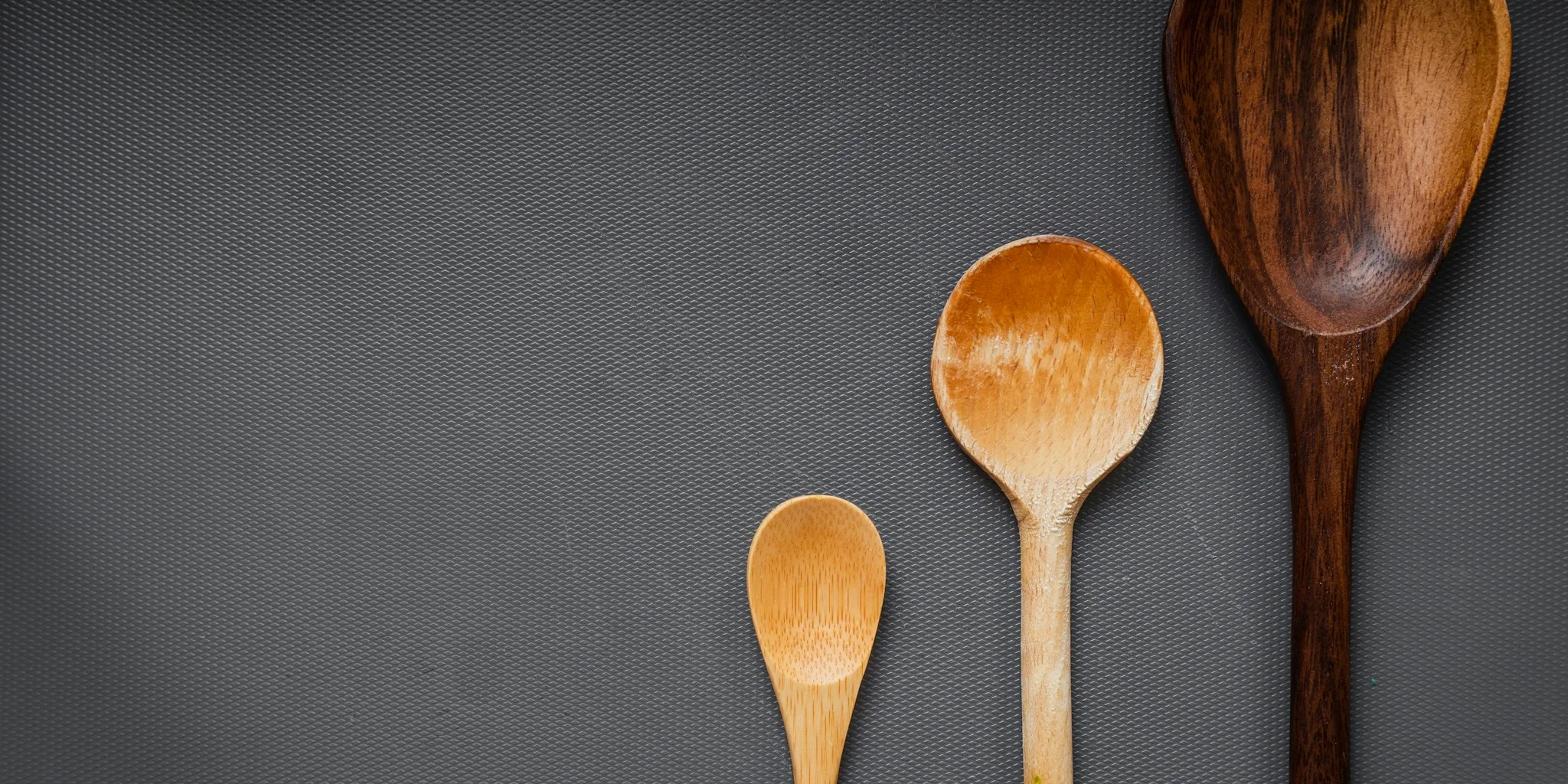
Wooden spoons, spatulas, salad bowls, and cutting boards have earned their place in kitchens for generations. Unlike metal utensils, wooden tools are gentler on nonstick cookware and won’t react with acidic foods like tomato sauce the way stainless steel can. They also complement cast iron and stainless steel cookware without concern, making them truly versatile kitchen workhorses. When cared for properly, wooden kitchen tools can serve your household for decades, becoming treasured items passed down or simply reliable performers you reach for every single day.
The Biggest Mistakes Home Cooks Make When Cleaning Wooden Tools
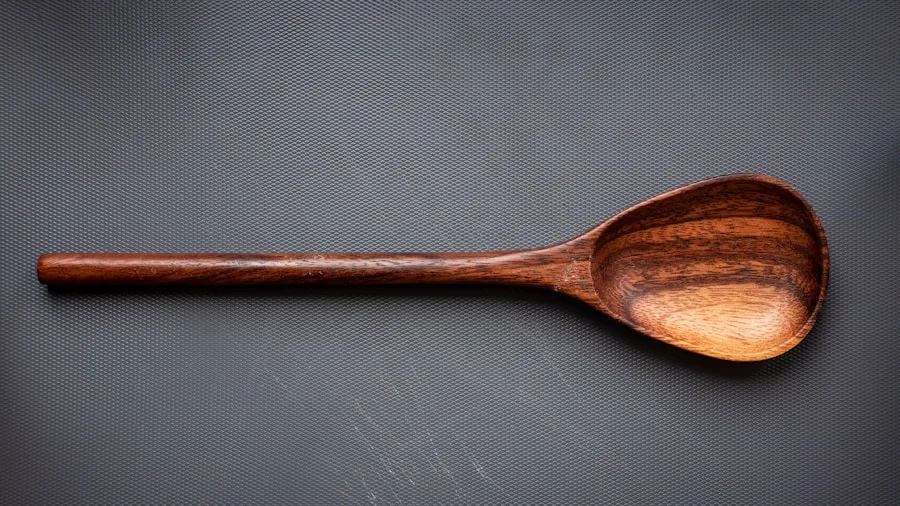
The most common error is tossing wooden utensils into the dishwasher. The combination of prolonged moisture and intense heat causes wood to swell, warp, crack, or become excessively dry over time. Even one cycle can start the damage process, so protecting your wooden items from the dishwasher is step one in extending their life.
Another critical mistake is soaking wooden cutting boards, bowls, or spoons in standing water. This practice accelerates warping and can lead to mold growth that discolors the wood and potentially contaminates food. Many home cooks don’t realize how quickly water damage compounds.
The Right Way to Hand Wash Wooden Kitchen Items
Hand washing is the only safe method for your wooden kitchen pieces. Use warm water with just a small amount of mild dish soap. The key is to clean quickly and thoroughly without letting the wood absorb excess moisture. After washing, dry wooden items immediately and completely with a clean cloth. This prevents mold from developing and keeps the wood in optimal condition.
For cutting boards and bowls, periodic deeper cleaning can help remove stubborn residue. A gentle scrub with a soft brush and mild soap works well, but always follow up with immediate, thorough drying.
Oiling Wooden Kitchen Tools: The Key to Long Term Care
Once wooden tools begin to look dry or show small splinters, it’s time to oil them. A proper oiling regimen prevents the wood from drying out further, which leads to cracks, splintering, and that warped edge that signals replacement time. The process is simple: wait until the item is completely clean and fully dry, then apply a thin, even layer of food safe oil.
Food safe mineral oil, which is petroleum based, remains the most reliable choice for home cooks. You’ll also find tung oil, walnut oil, and mineral oil blended with beeswax on the market. Whatever you choose, apply a small amount evenly across the surface to restore moisture and prevent the wood from looking dull. This simple maintenance task can add years to the life of your tools. When shopping for kitchen storage and organization solutions, don’t overlook the importance of proper wooden tool care as part of your overall kitchen strategy.
Selecting Wooden Kitchen Tools That Stand the Test of Time
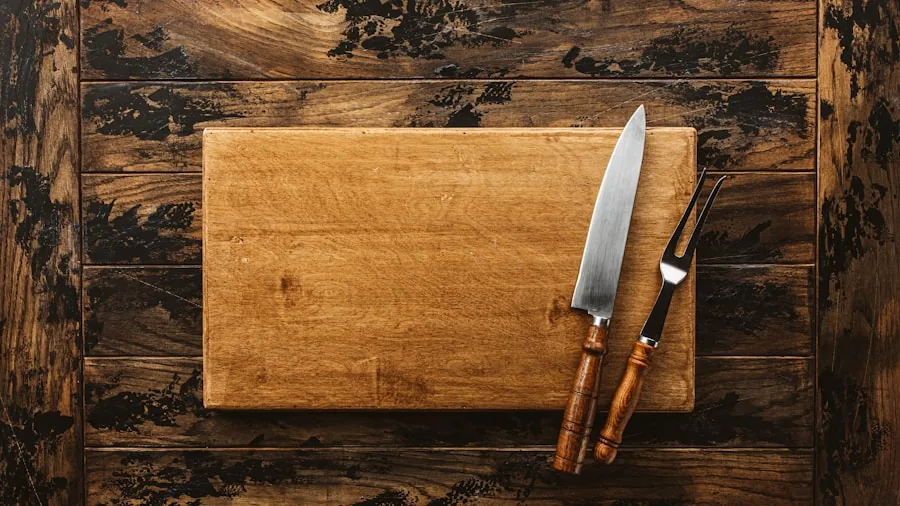
Not all wooden kitchen tools are created equal. Quality matters significantly when you’re looking for items that will truly last decades. Look for tools made from durable wood varieties and constructed with attention to detail. Items featuring copper or stainless steel hardware that won’t rust also indicate higher quality craftsmanship.
Italian olivewood utensils represent an excellent choice for home cooks seeking reliable, beautiful wooden tools. These pieces feature elegant design and durable construction that resists discoloration and wear even after years of regular use. Many cooks prefer wooden spoons specifically for stirring tomato based sauces, as they don’t create the metallic reactions that some cooks find undesirable. Whether you’re updating your kitchen storage solutions or building a collection of quality tools from scratch, investing in well made wooden items pays off through decades of reliable performance.
Building Your Wooden Kitchen Tool Collection
Start with the essentials: a quality wooden spoon for stirring, at least one spatula for cooking and serving, and a cutting board if you prefer wood for prep work. From there, you can expand to include salad bowls, pasta forks, and specialty utensils. Each piece you add to your kitchen becomes more valuable when you understand proper care extends its usefulness indefinitely.
The investment in wooden tools pays dividends through superior cooking experiences, beautiful kitchen aesthetics, and the knowledge that your tools will function reliably for years. By following simple care guidelines and oiling your tools when they need it, you transform modest purchases into heirloom quality kitchen pieces that enhance both your cooking and your kitchen’s character.






Write Your Review
No reviews yet. Be the first to share your experience!