

Understanding the Role of Modern Bathroom Lighting
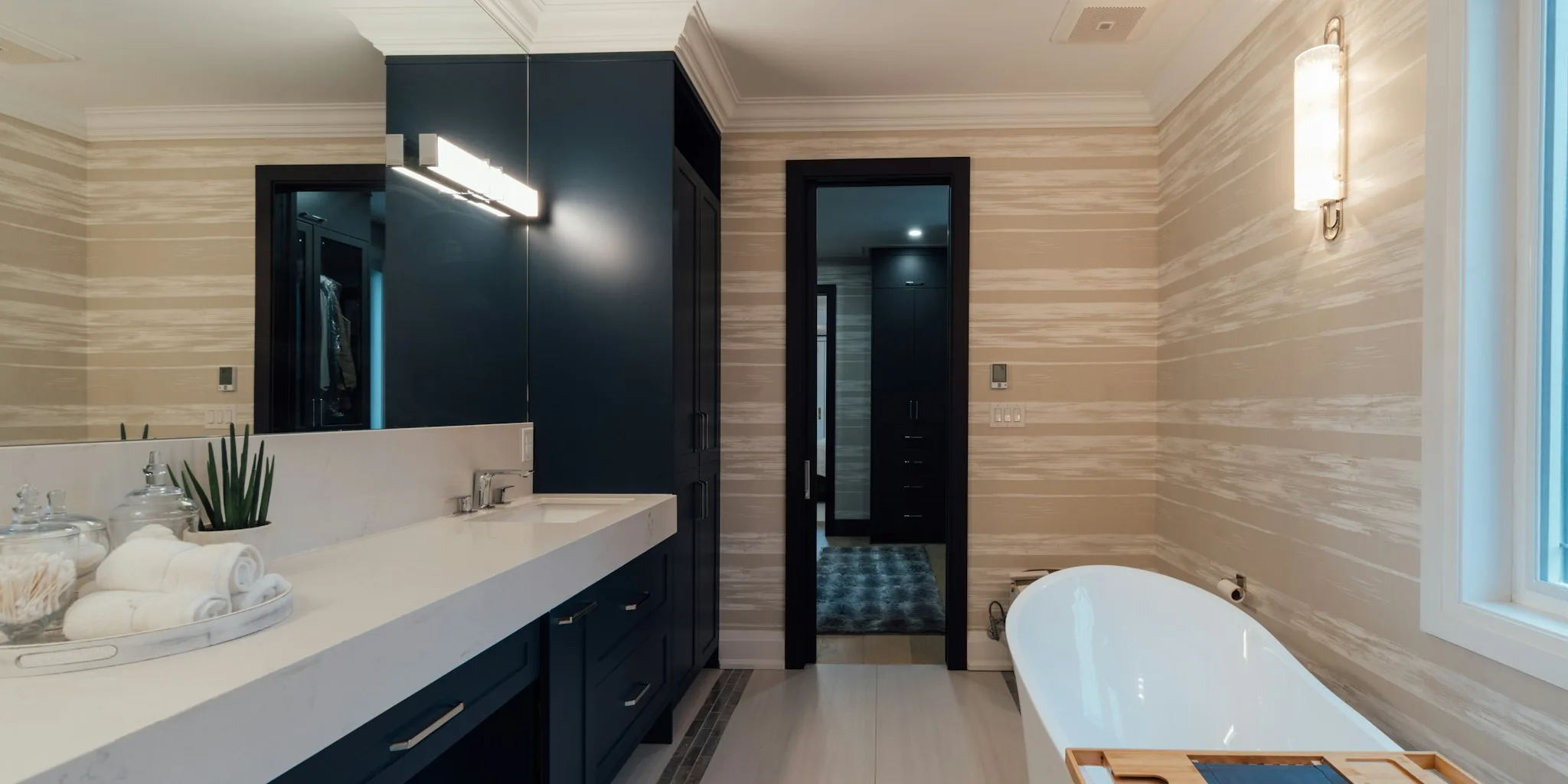
Bathroom lighting has evolved far beyond its purely functional purpose. While adequate illumination for grooming tasks remains essential, today’s lighting design embraces both aesthetics and atmosphere. The key to creating a bathroom that feels both practical and luxurious lies in understanding how different lighting approaches can work together to enhance your space.
Traditional bathroom lighting often relied on bright overhead fixtures or vanity lights positioned solely for task visibility. However, contemporary design treats light as an architectural element that can reveal the beauty of materials and set the tone for the entire room. This shift opens up exciting possibilities for homeowners looking to upgrade their bathrooms without necessarily undertaking a complete renovation.
Tip 1: Layer Your Lighting for Maximum Impact
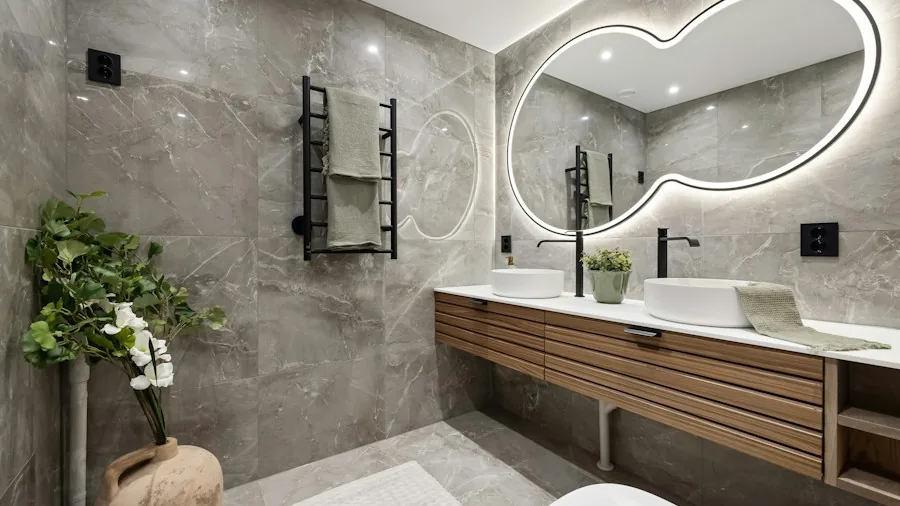
The most sophisticated bathroom lighting schemes combine multiple light sources at different levels and intensities. Rather than relying on a single bright overhead fixture, consider layering task lighting, accent lighting, and ambient lighting. Task lighting around the vanity ensures you can apply makeup or shave effectively. Accent lighting might highlight architectural features or beautiful materials, while ambient lighting creates the overall atmosphere of the space.
This layered approach allows you to adjust your bathroom’s mood depending on the time of day or your needs. Morning might call for brighter task lighting, while evening can feature softer ambient options.
Tip 2: Explore Backlighting for Natural Materials
One of the most striking modern lighting techniques involves backlighting translucent materials like marble, onyx, or other naturally veined stone surfaces. This approach transforms ordinary countertops or wall finishes into glowing design features. Backlighting reveals the crystalline patterns and unique characteristics of the stone, creating a warm, atmospheric quality that changes how light interacts with the entire room.
If you’re considering an upgrade to your countertops or already have beautiful natural stone in place, backlighting can elevate it from a functional surface to a focal point. The investment in specialized backlighting fixtures is substantial, but the design principle remains valuable at any budget level: look for opportunities to make light reveal the inherent beauty of materials already in your bathroom.
Tip 3: Make Light Selections Based on Function First
Before choosing decorative lighting elements, ensure your bathroom meets basic functional requirements. You need adequate illumination at the vanity mirror for personal grooming tasks. Install lighting fixtures that minimize harsh shadows and provide even coverage across the face. Wall sconces positioned at eye level on either side of the mirror are particularly effective, as are modern LED strips integrated into mirror frames.
Combination units that integrate storage and lighting offer practical solutions that address multiple needs simultaneously while saving space.
Tip 4: Choose Energy Efficient Lighting Options
LED technology has revolutionized bathroom lighting by providing energy efficiency without sacrificing quality of light. LED fixtures generate less heat, consume significantly less electricity than traditional incandescent or fluorescent options, and last far longer. When shopping for lighting, prioritize LED options regardless of whether you’re installing basic task lights or decorative accent fixtures.
LED bulbs also come in various color temperatures, ranging from cool white to warm white. For bathrooms, warmer color temperatures create a more inviting atmosphere while still providing adequate visibility. This flexibility makes LED an ideal choice for implementing layered lighting schemes that serve multiple purposes.
Tip 5: Consider Moisture and Safety Ratings
Bathrooms present unique challenges due to humidity and moisture exposure. Any lighting fixture you install should carry appropriate moisture and safety ratings for bathroom use. Look for fixtures labeled for wet or damp locations, particularly those positioned near showers, tubs, or directly above vanities. Improper ratings can lead to electrical hazards and premature fixture failure.
Additionally, ensure all electrical work meets current building codes and consider hiring a licensed electrician for installation of new circuits or fixtures. Safety should always be your primary consideration when selecting bathroom lighting.
Tip 6: Use Accent Lighting Strategically
Rather than illuminating every surface in your bathroom, apply accent lighting selectively to draw attention to specific features. A beautiful tile wall, a sculptural element, or architectural detail can become a focal point when properly lit. Vintage lighting pieces are increasingly popular for creating character and visual interest, and they work especially well as accent elements in bathroom design.
This restrained approach to accent lighting ensures that your chosen features truly stand out rather than creating a cluttered or overly bright environment.
Tip 7: Test Before Committing to Installation
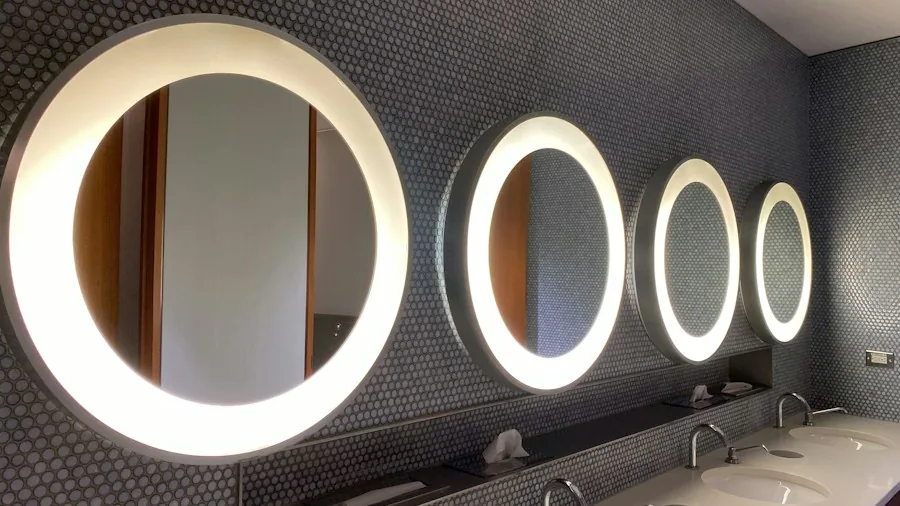
Before permanently installing new lighting fixtures, test how they look and function in your actual bathroom space. Lighting appears dramatically different depending on wall color, tile finishes, mirror placement, and natural daylight available in your bathroom. Visit showrooms and request temporary installations or samples when possible. Pay attention to how fixtures look at different times of day and with various brightness levels.
This practical approach prevents expensive mistakes and ensures your final lighting design meets both your aesthetic preferences and functional requirements.
Bringing It All Together
Transforming your bathroom through strategic lighting choices doesn’t require a complete renovation or enormous budget. By understanding how light functions as both a practical tool and a design element, you can create a space that feels both luxurious and livable. Start with solid task lighting, add layers of ambient and accent lighting, and remain open to creative possibilities like backlighting natural materials. The result will be a bathroom that serves your daily needs while providing the refined atmosphere of a high-end retreat.





