
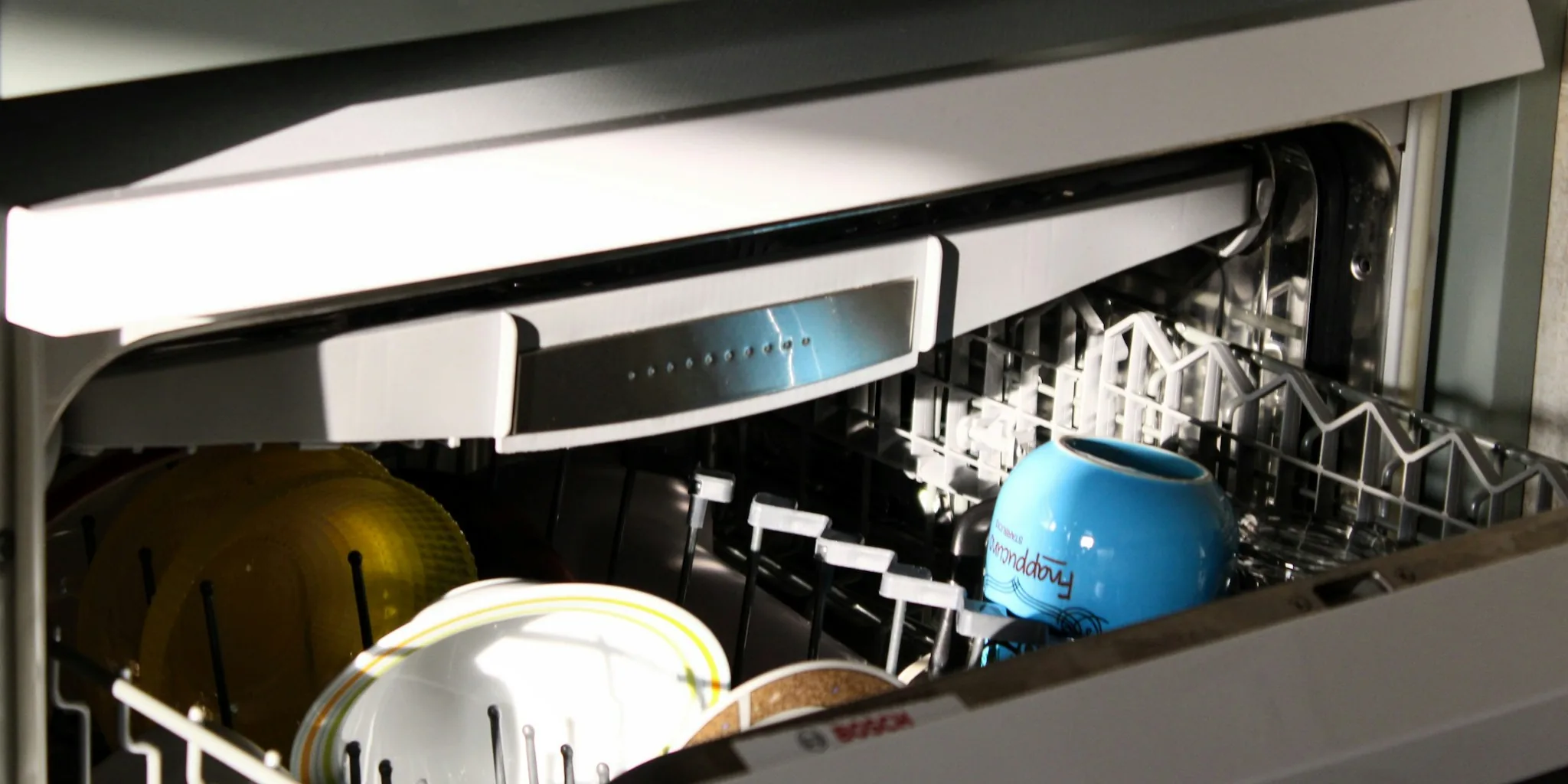

Why Your Dishwasher Smells and What You Can Do About It
A dishwasher that produces unpleasant odors defeats its entire purpose. Whether you’re noticing a fishy scent, sour smell, or general mustiness when you open the door, the culprit is usually organic material trapped inside the machine. Food residue, grease, and other debris accumulate in hidden spots, and the warm, damp environment inside your dishwasher creates the perfect conditions for odors to develop and intensify. The encouraging news is that most dishwasher smells are preventable and treatable with straightforward maintenance and cleaning techniques.
1. Make Filter Cleaning a Weekly Habit
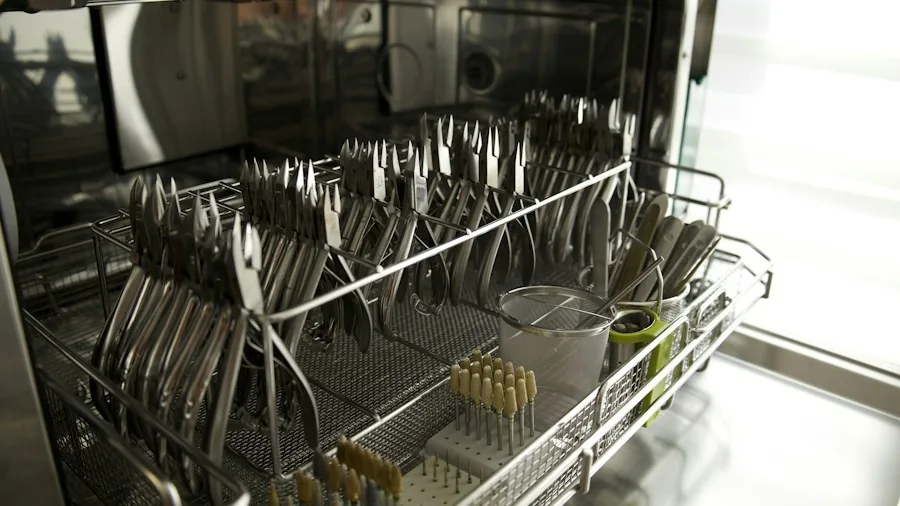
Your dishwasher’s filter is one of the most common odor sources. Food particles settle here between wash cycles and begin to decompose, creating unpleasant smells. The filter typically sits below the bottom spray arm, so you’ll need to pull out the bottom rack to reach it. Check your owner’s manual for exact removal instructions if you’re unsure.
Once removed, rinse the filter under hot running water or soak it in warm, soapy water. Use a soft toothbrush to gently scrub both the mesh screen and plastic frame, working into the crevices where grease and particles hide. Rinse thoroughly and secure it back in place. Make this a weekly task, even when there’s no noticeable smell, to prevent odor buildup before it starts.
2. Inspect and Clean the Spray Arms
The spray arms distribute water throughout your dishwasher, but mineral deposits and food debris can clog the small holes where water exits. This reduces cleaning effectiveness and traps organic material. Visually inspect both spray arms for blockages or visible residue. If you find buildup, consult your manufacturer’s website or manual for removal and cleaning instructions, as designs vary by model.
3. Wipe Down Doors, Gaskets, and Dispensers
Buildup doesn’t stay confined to the interior. Food residue and grease also collect around the door, rubber gasket, and detergent dispenser. During your weekly maintenance, wipe down the interior door and surfaces with a damp microfiber cloth or sponge. Open the detergent dispenser and check for accumulated debris or undissolved powder. If you notice gunk along the rubber door gasket, gently scrub it with a soft toothbrush dipped in warm, soapy water or a mild all-purpose cleaner.
4. Run a Deep Clean Cycle Monthly
Even with regular spot cleaning, your dishwasher benefits from a deeper clean. Once a month, run an empty cycle using a commercial dishwasher cleaning product. Follow the product instructions carefully. This process removes grease, detergent residue, mineral buildup, and food particles from areas you can’t easily access by hand. If your dishwasher still smells after manual cleaning, this deep-clean approach often solves the problem.
5. Scrape Dishes Before Loading
Prevention starts before dishes even enter the machine. Scrape excess food from plates before loading your dishwasher. You don’t need to pre-rinse dishes that are going directly into a wash cycle, but it’s important if dirty dishes will sit for hours before running. If you know there will be a delay, run a rinse cycle to prevent food from decomposing and creating odors. This simple habit significantly reduces the amount of organic material your dishwasher must process.
6. Leave the Door Ajar After Washing
Moisture trapped inside your dishwasher between cycles creates an ideal environment for odor development. After each wash cycle completes, crack open the door slightly to allow interior moisture to evaporate. This drying time prevents stagnant conditions where smells develop. Many newer models include an automatic door-opening feature as part of their drying cycle, handling this step for you. If you’re shopping for a new dishwasher, this is a feature worth considering, especially when evaluating modern kitchen appliance options and renovation trends.
7. Know When to Call a Professional
If you’ve cleaned the filter, spray arms, door, and run cleaning cycles but still detect a persistent odor, particularly a sewage smell, the problem likely extends beyond your dishwasher. A drain or plumbing issue could be responsible, requiring professional investigation. Don’t ignore this type of persistent smell, as it indicates a problem that demands plumber expertise rather than more cleaning.
Quick Maintenance Checklist
Incorporate these habits into your routine to keep your dishwasher fresh and functioning at its best. Just as regular cleaning maintains other kitchen appliances, consistent dishwasher care prevents problems before they develop. Clean your filter weekly, run a monthly deep-clean cycle, wipe down gaskets and dispensers regularly, and always scrape dishes before loading. These simple steps take minimal time but deliver major results in keeping your dishwasher odor-free and your kitchen smelling fresh.






Write Your Review
No reviews yet. Be the first to share your experience!