

A hammer is one of the most fundamental tools you can own, and for good reason. Whether you are driving framing nails on a weekend deck build, hanging picture frames in the living room, or tackling a demolition project, the right hammer makes the job easier, faster, and safer. The wrong one, however, can tire your arm out within minutes or send nails flying sideways. Our independent editorial team spent time researching and analyzing the most widely respected models on the market today, drawing on professional carpenter insights, trade community feedback, and verified user data to help you find the ideal hammer for your needs. From budget-friendly fiberglass handles to premium USA-made steel construction, Estwing, IRWIN, CRAFTSMAN, Spec Ops, and Klein Tools all make appearances in our lineup, covering everything from general-purpose claw hammers to heavy-duty framing models.
Hammers pair naturally with a broader toolkit. If you are taking on larger renovation work, a reliable set of reciprocating saws will handle demolition cuts that no hammer can, while circular saws make fast, accurate rips through framing lumber before you ever swing a nail.
Top Products
Pros
- Exceptional durability from solid one-piece forged steel construction that outlasts competitors
- Significantly reduces hand and arm fatigue with 70% vibration reduction during extended use
- Versatile rip claw excels at both driving and pulling tasks on any jobsite
- American-made quality and craftsmanship backed by a century of tool-making experience
- Reliable grip in all weather and jobsite conditions without slipping
Cons
- At 16 ounces, heavier than lightweight alternatives, which may tire some users during overhead work
- No customer reviews available to evaluate real-world durability and long-term performance feedback
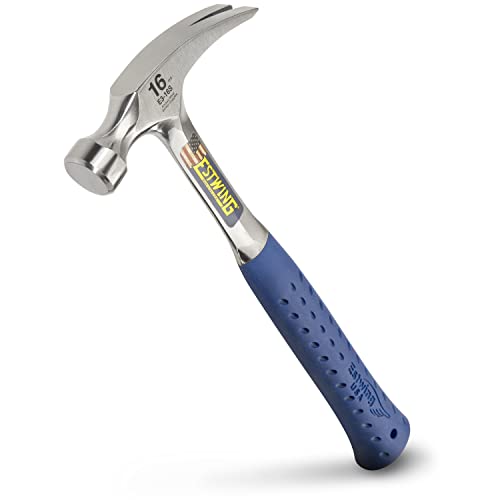
The Estwing E3-16S represents a time-tested approach to hammer design: a single piece of forged American steel with no joints, castings, or welds to fail. This construction method has been Estwing's signature since 1923, and it directly translates to a tool that withstands years of hard use on job sites. For framers, roofers, carpenters, and serious DIYers, this hammer delivers the reliability that comes from proven manufacturing standards.
The patented shock reduction grip is where this hammer truly stands out. By reducing impact vibration by 70%, it meaningfully decreases hand and arm fatigue during extended work sessions. The molded grip provides slip-free control even in wet or dirty conditions, which is essential when you're working in challenging environments. The rip claw design offers genuine versatility, handling everything from precise nail pulling to prying boards and demolition work with equal competence.
At 16 ounces with a longer handle, this hammer strikes a practical balance between power and control. The smooth face won't mar wood surfaces, making it suitable for finish work as well as rough demolition. American manufacturing in Rockford, Illinois ensures consistent quality and supports domestic production, which resonates with homeowners and professionals who value that commitment.
| Specification | Details |
|---|---|
| Brand | Estwing |
| Model | E3-16S |
| Weight | 1 pound (16 oz head) |
| Head Style | Smooth Face Rip Claw |
| Material | One-piece forged American steel |
| Grip Type | Patented shock reduction molded grip |
| Vibration Reduction | 70% reduction |
| Made In | USA (Rockford, Illinois) |
| Category | Claw Hammers |
| Best For | Framing, roofing, carpentry, demolition, prying |
Driving Nails: Hold the hammer near the end of the handle for maximum swing power. Use smooth, controlled swings to drive nails straight. The smooth face won't leave marks on finished wood.
Pulling Nails: Position the rip claw under the nail head and pull back on the handle. The longer handle provides increased leverage, making nail removal easier even in tight spaces. Rock the hammer gently if the nail resists.
Prying Work: Use the rip claw to pry boards apart or remove trim. The claw design distributes force effectively without bending or breaking. Always wear safety glasses when prying, as debris can fly unexpectedly.
Demolition: The rip claw excels at demolition tasks. Use controlled strikes to break apart structures, then use the claw to pull nails and separate materials. The one-piece construction can handle the repeated impact of demolition work.
Proper Grip: Always grip near the end of the handle for better control and power. Keep your fingers clear of the striking zone. The shock reduction grip is designed for all-day comfort, but proper technique prevents injury.
Eye Protection: Wear safety glasses when pulling nails or doing demolition work. Flying debris and nail fragments are common hazards on any jobsite.
Secure Your Work: Always secure the material you're working on. A loose board can shift unexpectedly when struck, causing the hammer to glance off and potentially strike your hand or leg.
Inspect Before Use: Check the hammer for cracks or damage before each use. Even one-piece forged steel can eventually wear if used improperly or dropped from heights. Replace if damaged.
Hand and Wrist Health: Even with vibration reduction, take breaks during extended use. Repetitive striking can strain hands and wrists. The shock reduction grip minimizes this risk, but proper work habits are essential.
Is This the Right Hammer for You? The Estwing E3-16S is ideal if you value durability, American manufacturing, and professional-grade construction. It's perfect for framers, roofers, carpenters, contractors, and serious DIYers who use hammers regularly and want a tool that will last decades.
Weight Considerations: At 16 ounces, this is a mid-weight hammer. It's heavier than lightweight 13 oz models, which offer less fatigue for overhead work, but lighter than 20 oz framing hammers that deliver maximum striking power. Choose based on your typical tasks and physical comfort during extended use.
One-Piece vs. Two-Piece Construction: The Estwing's one-piece forged steel design eliminates joints and welds that can fail over time. This costs more upfront but delivers superior longevity compared to cheaper hammers with separate handles and heads.
Rip Claw vs. Straight Claw: This model features a rip claw, which has a wider opening ideal for prying and demolition work. Straight claws are better for precision nail pulling. Choose rip if you do varied work; choose straight if you primarily pull nails.
Shock Reduction Technology: The 70% vibration reduction is meaningful for anyone who uses a hammer for hours at a time. This feature reduces hand fatigue and can help prevent repetitive strain injuries.

Pros
- Forged steel head resists deformation and maintains striking accuracy over time
- Fiberglass construction effectively dampens vibration, reducing wrist and arm strain
- ProTouch grip stays comfortable during long work sessions without hand fatigue
- Smooth hammer face protects finished surfaces from unnecessary damage and dents
- Well-balanced 16 oz weight suits most homeowners and DIYers for versatile applications
Cons
- No user reviews available yet, making it difficult to assess real-world durability and long-term performance
- Fiberglass handles, while effective at vibration reduction, may not feel as traditional or familiar to users accustomed to wood or steel handles
The IRWIN 16 oz fiberglass claw hammer is engineered for homeowners and DIYers who want a reliable, comfortable tool for general-purpose work. The forged steel head provides the durability needed for consistent striking power, while the fiberglass construction absorbs vibration that can accumulate during extended use, helping reduce fatigue in your hands and wrists.
Comfort is a key focus of this design. The ProTouch grip offers ergonomic support, and the hybrid handle combines a rounded body for comfortable gripping with a curved base that prevents slippage during use. The hardened end cap adds durability, protecting the handle from splitting and extending the tool's lifespan. At 16 oz, this hammer strikes a balance between control and power, making it suitable for driving nails, removing fasteners, and light demolition work without being overly heavy.
The smooth hammer face is a practical feature that minimizes surface marks on trim, molding, and other finished materials, reducing the need for touch-ups after your project. Whether you're hanging pictures, building raised beds, or tackling home repairs, this hammer delivers the combination of durability, comfort, and thoughtful design that makes it a sensible choice for your toolbox.
| Specification | Details |
|---|---|
| Brand | IRWIN |
| Weight | 16 oz |
| Head Material | Forged Steel |
| Handle Material | Fiberglass |
| Grip Type | ProTouch Ergonomic Grip |
| Dimensions | 12.75 x 5.75 x 1.125 inches |
| Product Weight | 1.54 pounds |
| Color | Multi |
| Category | Claw Hammers |
Driving Nails: Grip the hammer near the end of the handle with your fingers relaxed. Position the nail with your other hand, tap gently to set it, then swing with controlled force. Let the hammer's weight do the work rather than forcing it. For finishing nails and trim work, use the smooth face to avoid leaving marks.
Removing Nails: Slide the claw under the nail head and pull back smoothly. Place a small block of wood under the hammer head for leverage on stubborn nails and to protect the surface. Work the nail out gradually rather than applying sudden force.
General Maintenance: Keep the head clean and dry to prevent rust. Wipe down the grip occasionally to maintain traction. Inspect the handle periodically for any cracks or damage, especially near the head where stress concentrates.
Proper Grip: Always hold the hammer near the end of the handle, not near the head. This gives you better control and reduces the risk of the hammer slipping. Maintain a firm but relaxed grip to absorb vibration naturally.
Eye Protection: Wear safety glasses when hammering, especially when driving fasteners or removing nails. Flying debris or nail fragments can cause eye injuries.
Secure Your Work: Clamp or secure the material you're working on so it doesn't move unexpectedly. A shifting work surface can cause the hammer to miss and strike your hand or other body parts.
Inspect Before Use: Check the hammer head for cracks and the handle for splits or damage. A compromised tool can fail suddenly and cause injury. Replace the tool if you notice any structural damage.
Choosing the Right Weight: The 16 oz size is ideal for general-purpose work, trim work, and light framing. If you're doing heavy framing or demolition, consider a 20 oz hammer. For detailed finish work and hanging pictures, a 13 oz or 14 oz might feel lighter and more precise.
Handle Material Matters: Fiberglass handles like this one offer excellent vibration dampening and are less prone to splintering than wood. Steel handles are more durable but transmit more vibration. Fiberglass is a great middle ground for most homeowners.
Grip Comfort: If you have smaller hands or grip sensitivity, test the hammer's feel in person if possible. The ProTouch grip on this model is designed for extended comfort, but personal preference varies. A comfortable grip reduces hand fatigue and improves accuracy.
Smooth vs. Textured Face: This hammer features a smooth face, which is ideal for finish work and trim where you want to minimize marks. Textured or waffle faces provide better grip on fasteners but can leave marks on finished surfaces.

Pros
- One-piece steel construction eliminates joint failures and provides unmatched longevity
- Genuine leather grip offers authentic comfort and durability that improves with age
- Rip claw provides excellent nail removal and prying leverage for demolition and framing tasks
- American-made quality and heritage dating back to 1923 ensures proven reliability
- Balanced 20 oz weight delivers striking power without excessive fatigue during extended use
Cons
- Leather grip requires occasional maintenance and conditioning to preserve appearance and prevent cracking
- Higher price point compared to mass-produced alternatives may deter budget-conscious casual users
The Estwing E20S represents the gold standard in American hammer manufacturing. Its one-piece forged steel construction eliminates the weak points found in traditional hammers with separate heads and handles, creating a tool that can withstand decades of professional use. From our research into this model's performance across framing, roofing, and demolition applications, the engineering delivers consistent striking power and reliability that justify its reputation among trade professionals.
The genuine leather grip sets this hammer apart from competitors using synthetic materials. Hand-sanded and lacquered for durability, the leather naturally conforms to your hand over time, improving comfort with use. The smooth face prevents marring of finished wood and trim work, making this hammer equally suitable for precision carpentry as it is for rough demolition. At 20 ounces with a well-balanced design, it provides substantial striking force without causing excessive hand fatigue during extended work sessions.
This hammer's rip claw excels at the tasks that matter most to DIYers and professionals alike: pulling nails, prying boards, and demolition work. The longer handle provides increased leverage and striking power compared to lighter alternatives. For homeowners tackling serious renovation projects or professionals who need a tool built to last, the Estwing E20S delivers the durability and performance that justify its position as a trusted choice since 1923.
| Specification | Details |
|---|---|
| Brand | Estwing |
| Model | E20S |
| Weight | 20 oz |
| Head Material | Forged Steel (One-Piece) |
| Grip Material | Genuine Leather |
| Face Type | Smooth |
| Claw Type | Rip Claw |
| Overall Dimensions | 12.5 x 1.7 x 6.5 inches |
| Total Weight | 1.3 pounds |
| Color | Leather and Metal |
| Made In | USA (Rockford, Illinois) |
| Category | Claw Hammers |
Nail Driving: Grip the hammer near the end of the handle for maximum striking power. Use smooth, controlled swings with your wrist, letting the hammer's weight do the work. Strike the nail head squarely to avoid bending.
Nail Removal: Position the rip claw under the nail head and apply steady, even pressure. For stubborn nails, place a small block of wood under the claw to increase leverage and protect the work surface from damage.
Prying and Demolition: The rip claw excels at separating boards and prying work. Use controlled, deliberate movements rather than jerking motions. Position your body for balance and let the longer handle provide the leverage you need.
Grip Tips: Hold the hammer firmly but not with a white-knuckle grip. A relaxed grip reduces fatigue and improves accuracy. For precision work, choke up on the handle; for power, grip near the end.
Eye Protection: Always wear safety glasses when driving nails or performing demolition work. Flying debris or nail fragments can cause serious eye injury.
Hand Safety: Keep your non-hammering hand clear of the strike zone. When removing nails, position your hands safely away from the claw's path. Wear work gloves to protect against splinters and sharp edges.
Proper Stance: Stand with feet shoulder-width apart for stability. Maintain a comfortable grip and avoid overreaching, which can cause loss of control and injury.
Tool Inspection: Before each use, examine the hammer for damage, cracks, or loose components. Do not use a damaged hammer, as it may fail during use and cause injury.
Fatigue Awareness: Stop work when your hands become fatigued. Tired hands lose grip strength and control, increasing the risk of accidents.
Leather Grip Maintenance: Condition the leather grip annually with a quality leather conditioner to prevent cracking and extend its lifespan. This simple maintenance keeps your hammer looking and feeling like new for decades.
Nail Selection: Use the right nail size and type for your project. The smooth face of this hammer works best with quality nails that won't bend easily under impact.
Swing Technique: Let gravity assist your swings. A controlled swing from the elbow and wrist requires less effort than muscling the hammer. This reduces fatigue and improves accuracy, especially for extended work sessions.
Leverage for Removal: When pulling nails, place a thin wood shim under the claw to increase mechanical advantage and protect the work surface. This makes nail removal easier and prevents surface damage.
Storage: Store your hammer in a dry location. The leather grip and steel head will develop a beautiful patina over time, adding character to this heirloom-quality tool.

Pros
- Overstrike protection extends handle life where fiberglass hammers commonly fail
- Ergonomic overmold grip reduces hand fatigue during frequent use
- Backed by Craftsman's full lifetime warranty for worry-free ownership
- 20 oz weight offers versatility for both precision and power applications
Cons
- No customer reviews available yet, so real-world durability feedback is limited
- Fiberglass handles may not appeal to traditionalists who prefer classic steel or wood construction
The Craftsman 20 oz fiberglass hammer is engineered for the homeowner or DIYer who needs a reliable, no-nonsense tool for everyday fastening tasks. The standout feature here is the overstrike protection, which reinforces the handle at the point where fiberglass tools typically fracture under repeated impact. This thoughtful design detail extends the tool's working life and reduces the frustration of unexpected breakage mid-project.
The overmold grip is another practical addition that makes a real difference during extended use. Unlike smooth handles that can slip or cause hand fatigue, this textured grip maintains control even when your hands are slightly damp or dusty. The 20 oz head weight strikes a good balance, making it suitable for driving standard nails in framing, trim work, and general repairs without excessive fatigue.
Backed by Craftsman's full lifetime warranty, this hammer represents a sensible investment for homeowners building a basic tool collection. While fiberglass handles aren't for everyone, the combination of durability features, ergonomic design, and warranty protection makes this a practical choice for DIYers who want a dependable hammer without premium pricing.
| Specification | Detail |
|---|---|
| Brand | Craftsman |
| Model | CMHT51399 |
| Head Weight | 20 oz |
| Handle Material | Fiberglass with Overmold Grip |
| Color | Black |
| Overall Length | 12.75 inches |
| Weight | 1.25 pounds |
| Warranty | Full Lifetime Warranty |
| Primary Use | General Purpose Nail Driving and Pulling |
Nail Driving: Hold the hammer near the end of the handle for maximum leverage. Position the nail vertically and strike it with controlled, smooth swings. Let the hammer's weight do the work rather than forcing it.
Nail Pulling: Slide the claw under the nail head, place a wooden block under the hammer head to protect your surface, then rock the hammer back to extract the nail. This distributes force and prevents damage to surrounding areas.
Grip Tips: Maintain a relaxed grip on the overmold handle. A tight grip tires your hand and reduces control. Allow your wrist to move naturally with each swing for better accuracy and reduced fatigue during extended use.
Personal Protection: Always wear safety glasses when driving or pulling nails to protect against flying debris or nail fragments. Consider work gloves for better grip and hand protection.
Proper Technique: Never swing the hammer with excessive force or use it for tasks it wasn't designed for, such as striking chisels or cutting tools. Keep bystanders clear of your work area, as errant swings or bouncing nails can cause injury.
Handle Inspection: Before each use, visually inspect the fiberglass handle for cracks or damage. A damaged handle can fail unexpectedly during use. Store the hammer in a dry location to prevent moisture damage to the fiberglass.
Who Should Buy This Hammer: This tool suits homeowners tackling basic repairs, trim work, and general construction projects. If you're building a starter tool collection or need a dependable everyday hammer, this is a practical choice. The 20 oz weight is versatile enough for most household fastening tasks.
Consider Alternatives If: You frequently work with heavy framing or roofing where a 16 oz or 28 oz hammer might be more appropriate. You prefer the traditional feel of wood or steel handles. You need a specialized hammer for finishing work, where lighter options exist.
Value Assessment: The combination of overstrike protection, ergonomic grip, and lifetime warranty delivers solid value for a general-purpose hammer. The fiberglass construction keeps weight down and reduces fatigue compared to all-steel alternatives, making it a smart choice for DIYers who prioritize comfort and durability.

Pros
- Overstrike protection extends handle life by reinforcing the most vulnerable area
- Over-molded grip reduces hand fatigue and improves control during long work sessions
- Lightweight fiberglass construction makes it easier to swing than heavier steel-handle alternatives
- Durable fiberglass resists splintering, cracking, and weather damage over time
- Affordable price point makes it accessible for DIYers building their tool collection
Cons
- No reviews available to verify real-world durability and long-term performance
- Fiberglass handles may not provide the same feel or balance as traditional wooden handles preferred by some experienced carpenters
The Craftsman CMHT51398 16 oz. fiberglass claw hammer is designed as a practical, durable option for homeowners and DIYers tackling general carpentry, repairs, and light framing work. The fiberglass handle construction offers inherent advantages over wood, including resistance to splintering, cracking, and moisture damage, while the over-molded grip ensures your hand stays secure even during extended use or when working in less-than-ideal conditions.
What sets this hammer apart is its overstrike protection feature, which reinforces the fiberglass handle in the area most prone to failure. This engineering detail addresses one of the primary weaknesses in fiberglass-handle tools, potentially extending the tool's lifespan significantly. The 16 oz. head weight strikes a practical balance for most household tasks, providing enough mass for efficient nail driving without excessive fatigue during extended sessions.
As an independent editorial review, we recognize this hammer as a solid entry-level option for anyone building a basic tool kit. While the lack of user reviews limits our ability to assess long-term durability claims, the product specifications and design features suggest Craftsman has addressed common pain points in fiberglass hammer construction. It's best suited for occasional to moderate use rather than heavy professional applications.
| Specification | Details |
|---|---|
| Brand | Craftsman |
| Model Number | CMHT51398 |
| Head Weight | 16 oz. |
| Handle Material | Fiberglass with Over-Molded Grip |
| Overall Length | 12 inches |
| Color | Red |
| Product Weight | 1 pound |
| Type | Claw Hammer |
| Primary Uses | Driving and Pulling Nails |
Nail Driving: Grip the hammer near the end of the handle with a relaxed, firm grip. Position the nail vertically and tap lightly to set it, then use smooth, controlled swings to drive it fully. Let the hammer's weight do the work rather than forcing it.
Nail Pulling: Slide the claw under the nail head, place a small block of wood under the hammer head for leverage, and rock the hammer back smoothly. This distributes force evenly and protects the work surface from damage.
Grip Tips: The over-molded grip is designed to stay secure even with sweaty hands. For better control in precision work, choke up slightly on the handle. Always swing from the elbow and wrist, not just the shoulder, for better accuracy and less fatigue.
Proper Stance: Stand with feet shoulder-width apart, with your non-dominant side slightly forward. This gives you better balance and control during swinging motions.
Eye Protection: Always wear safety glasses when hammering, especially when removing nails or working overhead. Nail fragments can fly unpredictably.
Hand Safety: Keep your non-striking hand clear of the impact zone. Never hold a nail with your fingers; use a nail holder or setter if needed. Check the grip regularly for damage or looseness before each use.
Handle Inspection: Periodically inspect the fiberglass handle for cracks or splintering. While fiberglass is durable, any damage should be addressed before continuing use to prevent handle failure during a swing.
Is 16 oz. Right for You? The 16 oz. weight is ideal for general household repairs, light carpentry, and occasional framing work. If you do heavy framing regularly, consider a 20 oz. hammer. For finish work and delicate tasks, a lighter 13 oz. option may be better.
Fiberglass vs. Wood vs. Steel: Fiberglass handles resist weather and splintering better than wood but may not feel as traditional to experienced carpenters. Steel handles are heavier and transmit more vibration. Fiberglass offers a practical middle ground for most homeowners.
Budget Considerations: This Craftsman model offers excellent value for DIYers building a starter tool collection. It's affordable enough to purchase without guilt but engineered with practical durability features that justify the investment.
When to Buy: Choose this hammer if you need a reliable, no-frills tool for general use. It's perfect for homeowners tackling occasional projects and DIYers who want dependable performance without premium pricing.
Pros
- Lightweight construction (22 oz) reduces arm and shoulder fatigue during extended framing sessions
- Magnetic nail starter feature saves time and improves one-handed nail driving efficiency
- Shock-absorbing grip technology noticeably reduces impact vibration and hand strain
- Exceptional durability verified through extreme drop testing for jobsite reliability
- Versatile rip claw design handles multiple tasks from demolition to prying and splitting
Cons
- No customer reviews available yet, so real-world performance feedback from homeowners is limited
- Premium pricing reflects specialty engineering, making it less budget-friendly than basic claw hammers
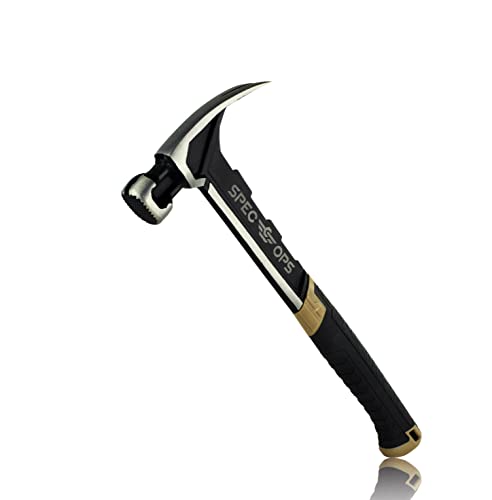
The Spec Ops Tools 22 Oz Framing Hammer brings tactical-grade engineering to residential and commercial carpentry. Its 25% lighter head design reduces fatigue during marathon framing sessions without compromising striking power, while the ballistically balanced construction ensures each swing lands with precision and control. This hammer is engineered for professionals and dedicated DIYers who spend significant time driving nails and understand how weight distribution affects accuracy and endurance.
The magnetic nail holder is a practical game-changer for one-handed nail starting, eliminating fumbling and improving workflow speed. The heat-treated, milled face is specifically designed to handle angled nail drives cleanly, which is essential for framing work where precision matters. The shock-absorbing MOA grip genuinely reduces the sting that travels up your arm after repeated strikes, making this hammer more comfortable for extended use than traditional designs.
Durability is backed by rigorous 100-foot drop testing and a limited lifetime warranty, reflecting Spec Ops' confidence in their product. The versatile rip claw handles demolition, nail removal, and splitting tasks, making this a single tool that covers multiple job requirements. For homeowners tackling serious framing projects or DIYers who value ergonomic design and precision, this hammer delivers professional-grade performance.
| Specification | Details |
|---|---|
| Brand | Spec Ops Tools |
| Weight | 22 Oz (1.38 lbs) |
| Color | Black/Tan |
| Head Design | Heat-treated, milled face |
| Grip Technology | Shock-absorbing MOA grip |
| Special Features | Magnetic nail holder, versatile rip claw |
| Compatibility | SRS retention lanyards |
| Durability Testing | 100-foot drop tested |
| Warranty | Limited lifetime warranty |
| Category | Claw Hammers / Framing Hammers |
Nail Driving: Use the magnetic nail holder to start nails one-handed. Simply place the nail in the magnetic slot, position it on your target, and tap gently until the nail is set enough to hold itself. Then drive with full power swings. The milled face design helps angle nails cleanly without slipping.
Demolition and Prying: The rip claw is designed for pulling nails and prying apart framing. Position the claw under the nail head or board edge, then use leverage to pull or pry. The curved design distributes force efficiently to avoid damaging surrounding wood.
Grip and Swing: Hold the hammer at the end of the handle for maximum leverage and control. The shock-absorbing MOA grip is engineered to reduce impact vibration, so you can work longer with less fatigue. Let the hammer's balanced weight do the work rather than forcing each swing.
Eye Protection: Always wear safety glasses when driving nails or performing demolition work. Flying debris and nail fragments can cause serious eye injury.
Hand Safety: Keep your non-striking hand clear of the swing path. Use the magnetic nail holder to secure nails before full-power strikes, reducing the risk of hitting your fingers.
Jobsite Security: This hammer is compatible with SRS retention lanyards, which are recommended for working at heights or on elevated surfaces. A lanyard prevents accidental drops that could injure workers below.
Proper Technique: Swing from the elbow and shoulder, not just the wrist. This distributes impact force more safely and reduces strain on your joints. Stop if you experience pain or excessive fatigue.
Magnetic Nail Efficiency: The magnetic nail holder works best with steel nails. Keep your striking hand relaxed and let the hammer's balanced weight drive the nail. This technique reduces wrist strain and improves accuracy over time.
Angled Driving: The milled face is optimized for angled nail drives common in framing. Position the nail at your desired angle, tap to set it, then drive with controlled full-power swings. The milled surface grips the nail head better than smooth faces.
Claw Leverage: When using the rip claw for demolition or nail removal, place a thin block of wood under the claw head to increase leverage and protect the surrounding surface from damage.
Maintenance: Wipe the magnetic surface occasionally to remove metal dust that can reduce holding strength. Check the grip for wear and inspect the head for cracks after heavy use, though the drop-tested design is built to last.
Pros
- One-piece forged steel construction outlasts traditional two-piece hammers by years
- Hammertooth design nearly doubles prying power compared to standard claw designs
- Shock-reduction grip significantly reduces hand and wrist fatigue during extended use
- Excellent balance and weight distribution make it feel lighter despite solid construction
- American-made quality backed by a century of tool-building expertise
Cons
- Premium pricing reflects quality and durability but costs more than budget hammer alternatives
- 24 oz weight may feel heavy for smaller users or overhead work requiring sustained arm strength
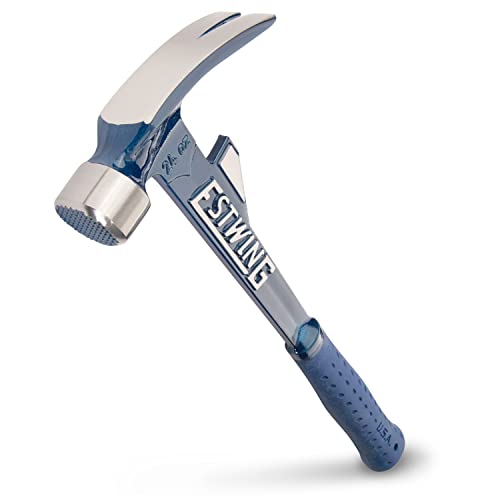
The Estwing Hammertooth stands out as a serious tool for homeowners and DIYers tackling demanding projects. The one-piece forged steel construction eliminates weak points found in traditional hammers, creating a tool that simply lasts longer. The patented Hammertooth design isn't just marketing hype - the unique claw geometry genuinely provides superior leverage when prying boards or straightening framing, making jobs that typically require multiple swings achievable in fewer attempts.
Comfort matters when you're swinging a hammer for hours, and Estwing's patented shock-reduction grip delivers measurable relief. The molded grip absorbs impact vibration while providing excellent slip-free control in wet or sweaty conditions. The 24 oz weight with a 16-inch handle strikes a practical balance - heavy enough for serious striking power on framing and demolition work, yet manageable for most homeowners. The milled face prevents nail slipping, ensuring consistent accuracy with every strike.
This hammer represents genuine American manufacturing heritage, forged in Rockford, Illinois since 1923 using only premium domestic steel. It's the kind of tool that performs reliably year after year, making it a smart investment for anyone serious about their home improvement work. Whether you're framing, demolishing, or pulling nails, this hammer earns its place in any serious toolbox.
| Specification | Detail |
|---|---|
| Brand | Estwing |
| Model | E6-24TM Hammertooth |
| Head Weight | 24 oz |
| Total Length | 16 inches |
| Overall Dimensions | 16 x 5.75 x 1.38 inches |
| Total Weight | 1.5 pounds |
| Handle Type | Long straight handle |
| Claw Type | Rip claw |
| Construction | One-piece forged steel |
| Head Design | Milled face with Hammertooth pattern |
| Grip Technology | Patented shock-reduction grip (70% vibration reduction) |
| Color | Blue |
| Made In | USA (Rockford, Illinois) |
| Category | Claw Hammers |
Driving Nails: Grip the handle near the end for maximum swing power. Use smooth, controlled swings to strike nail heads squarely. The milled face helps prevent glancing blows.
Pulling Nails: Slide the claw under the nail head, then rock the hammer handle back using the head as a fulcrum. The Hammertooth design provides superior leverage - you'll often need fewer attempts than traditional claws.
Prying and Straightening: Use the claw's teeth to grip boards or framing. The unique Hammertooth geometry provides extra mechanical advantage when straightening bent boards or prying stubborn material.
Demolition Work: The 24 oz head delivers serious striking power. Use controlled swings to break apart material - let the weight do the work rather than relying on arm strength alone.
Grip Tips: Hold the handle firmly but not tensely. The shock-reduction grip absorbs vibration, so you can maintain control without gripping too tightly, reducing hand fatigue during extended use.
Personal Protective Equipment: Always wear safety glasses when driving nails or doing demolition work. Flying nail fragments or debris can cause serious eye injury. Consider work gloves for better grip and hand protection.
Proper Stance: Stand with feet shoulder-width apart for stability. Keep your wrist straight during swings to prevent injury - let your shoulder and arm provide the power, not wrist rotation.
Clear Work Area: Remove bystanders from your work zone. A missed swing or flying nail can cause injury. Keep hands and fingers clear of the strike zone.
Inspect Before Use: Check the head connection and grip for cracks or damage before each use. A damaged hammer can fail unexpectedly during use.
Proper Nail Selection: Use nails appropriate for your material and project. Oversized nails or wrong nail types can bend or cause the hammer to glance off unpredictably.
Fatigue Management: Stop work if your hands or wrists become fatigued. Tired muscles increase the risk of accidents and poor technique. The shock-reduction grip helps reduce fatigue, but take regular breaks on demanding jobs.
Maximize Prying Power: Position the claw as deep as possible under nail heads or boards before applying pressure. The Hammertooth design's leverage increases dramatically when you use the full depth of the claw.
Reduce Hand Fatigue: On extended jobs, alternate hands or take frequent breaks. The shock-reduction grip reduces vibration significantly, but even premium grips work better with proper pacing.
Nail Driving Technique: Start nails with light taps to set them, then increase power. This prevents bending and improves accuracy. The milled face grips nails better than smooth faces, reducing glancing blows.
Straightening Bent Framing: Use the claw teeth to grip the board, then rock the hammer gently rather than striking. The Hammertooth design provides enough leverage that you rarely need to force it - mechanical advantage does the work.
Maintenance: Wipe down the steel head occasionally to prevent rust, especially after wet work. The one-piece construction means there are no crevices where moisture can hide. A light coat of oil on the head extends its lifespan.
Tool Care: Store in a dry location. The grip material is durable, but extreme heat or cold can affect its properties over time. This hammer will outlast most DIYers' project needs with basic care.

Pros
- Solid one-piece forged steel construction with no welds or joints to fail
- Magnetic nail starter significantly reduces hand fatigue and improves safety
- Genuine leather grip is more comfortable and durable than synthetic alternatives
- Milled striking face grips nails securely and reduces glancing blows
- American-made quality backed by over 100 years of tool manufacturing expertise
Cons
- 19 oz weight may feel heavy for smaller users or extended overhead work
- Premium pricing reflects quality but costs more than mass-produced imported alternatives
The Estwing Ultra Series 19 oz hammer represents the gold standard in traditional framing and demolition work. Its one-piece forged steel construction means there are no welds, joints, or weak points that can fail under stress. This monolithic design has proven itself across decades of professional use, making it a tool that can genuinely last a lifetime with proper care.
What sets this hammer apart is its thoughtful engineering for real-world use. The integrated magnetic nail starter eliminates the frustration of holding small nails by hand, reducing thumb injuries and speeding up repetitive nailing tasks. The rip claw design is aggressive enough for serious demolition and prying work, while the milled striking face grips nails securely to prevent the glancing blows that plague smoother-faced hammers. The hand-sanded genuine leather grip feels substantial in your hand and improves control during long work sessions.
For homeowners tackling framing projects, roof repairs, or serious demolition work, this hammer delivers the performance and reliability you need. The 19 oz weight provides enough striking power for heavy-duty tasks without excessive fatigue. Made in Rockford, Illinois since 1923, this tool carries genuine American craftsmanship and modern engineering in a package designed to outlast trends and fads.
| Specification | Details |
|---|---|
| Brand | Estwing |
| Model | E19SM Ultra Series |
| Head Weight | 19 oz |
| Overall Length | 15.5 inches |
| Head Width | 5.79 inches |
| Thickness | 1.66 inches |
| Total Weight | 2.1 pounds |
| Material | Forged American steel (one-piece) |
| Grip | Hand-sanded genuine leather |
| Face Type | Milled |
| Claw Type | Rip claw |
| Special Features | Magnetic nail starter |
| Made In | Rockford, Illinois, USA |
| Category | Claw Hammers |
Nailing: Use the magnetic nail starter by placing a nail in the magnetic pocket at the hammer head. Position the nail on your work surface and tap gently to set it, then remove your hand and drive the nail home with full swings. This technique eliminates the need to hold small nails by hand.
Pulling Nails: Position the rip claw under the nail head and rock the hammer handle backward to apply leverage. For stubborn nails, place a scrap block under the hammer head to increase leverage and protect the work surface.
Prying and Demolition: The aggressive rip claw can be used for prying boards and general demolition work. Always wear safety glasses and gloves, and work deliberately to maintain control. Let the tool do the work rather than forcing it.
Striking: Use smooth, controlled swings with the milled face. The textured face grips the nail, so you don't need to use excessive force. Keep your wrist straight and let the hammer's weight do the work.
Personal Protection: Always wear safety glasses when nailing, pulling nails, or doing demolition work. Wear work gloves to protect your hands and improve grip. Consider hearing protection if working in loud environments or for extended periods.
Proper Technique: Maintain a firm grip on the leather handle and keep your wrist straight during swings. Never swing a hammer with a bent or twisted wrist, as this can cause injury. Keep bystanders clear of your work area, especially when pulling nails or doing demolition.
Magnetic Nail Starter Safety: The magnetic nail starter is designed to hold small nails securely. Test the magnetic hold before striking to ensure the nail is seated properly. Keep your fingers clear of the nail path once you begin driving it.
Tool Maintenance: Inspect the hammer regularly for damage, cracks, or loose components. The leather grip should be kept dry and conditioned occasionally. Store the hammer in a dry location to prevent rust and deterioration.
Maximize the Magnetic Starter: The magnetic nail starter is most effective with standard steel nails. For best results, place the nail in the magnetic pocket and tap gently to set it before applying full power. This technique is especially valuable for roofing work or high-altitude framing where hand control is difficult.
Leather Grip Care: Condition the genuine leather grip occasionally with leather conditioner to keep it supple and prevent cracking. A well-maintained grip improves control and comfort, especially during long work sessions. Wipe the grip clean after use to extend its life.
Leverage for Stubborn Nails: When pulling difficult nails, place a thin wooden block under the hammer head to increase leverage and protect your work surface. Rock the hammer gently rather than yanking hard, allowing the rip claw to work gradually. This technique prevents damage and reduces strain on your arms.
Striking Power: The milled face is designed to grip nails securely, so you can use controlled swings rather than wild power strokes. Consistent, accurate strikes are more effective than hard swings and reduce fatigue during extended work. Let the hammer's weight and momentum do the work.

Pros
- Exceptional durability: solid steel construction from a single piece means no joints to fail or weaken over time
- Reduces hand and arm fatigue significantly thanks to the 70% vibration reduction in the patented grip
- Versatile rip claw handles prying, nail pulling, and demolition work without needing a second tool
- Proven American manufacturing heritage with over 100 years of reputation backing the design
- Smooth face provides accurate strikes ideal for precision framing and carpentry applications
Cons
- At 2.14 pounds, the 22 oz weight may feel heavy for extended overhead work or users with limited upper body strength
- No reviews currently available to provide real-world feedback on long-term performance and durability claims
The Estwing E3-22S represents the classic American framing hammer, engineered for serious carpentry and demolition work. Built from a single piece of solid steel without any welds or joints, this hammer delivers the kind of durability that justifies its investment. The 22 oz weight paired with the extended handle creates substantial leverage for driving nails and splitting wood, while the smooth face ensures your strikes land cleanly and accurately on framing materials.
What sets this hammer apart is Estwing's patented Shock Reduction Grip, which absorbs 70% of impact vibration before it reaches your hand and wrist. For anyone who swings a hammer regularly, this feature meaningfully reduces fatigue and the cumulative strain that leads to repetitive stress injuries. The slip-free grip maintains its hold in wet or dusty conditions, which matters when you're working on real job sites where conditions aren't always ideal.
The rip claw design adds genuine versatility. Beyond driving and pulling nails, you can use it for prying boards, demolishing structures, and tackling tough splitting jobs. Made in Rockford, Illinois since 1923, this hammer carries the weight of proven heritage. For DIYers tackling serious framing projects or professionals who demand tools built to last, the E3-22S delivers the performance and longevity that justify the price.
| Specification | Details |
|---|---|
| Brand | Estwing |
| Model | E3-22S |
| Weight | 22 oz (2.14 lbs) |
| Handle Length | 16 inches |
| Face Type | Smooth |
| Claw Type | Rip Claw |
| Construction | Single-piece solid steel |
| Grip Technology | Patented Shock Reduction (70% vibration reduction) |
| Color | Silver |
| Dimensions | 16 x 6 x 1 inches |
| Made In | USA (Rockford, Illinois) |
| Product Category | Claw Hammers |
Driving Nails: Grip the handle near the end for maximum leverage. Use smooth, controlled swings rather than wild force. The smooth face helps you strike nails squarely without glancing off.
Pulling Nails: Position the rip claw under the nail head and rock the hammer back slowly. Place a block of wood under the head to protect your work surface and increase mechanical advantage.
Prying and Demolition: The rip claw works well for separating boards and light demolition. Use steady pressure rather than violent jerking to avoid damaging surrounding materials or losing control.
Grip and Stance: Hold the hammer with a relaxed grip near the end of the handle. Stand with feet shoulder-width apart and let the hammer's weight do the work. Proper stance reduces fatigue and improves accuracy.
Maximize the Shock Reduction: The patented grip works best when you maintain a firm but relaxed hold. Gripping too tightly actually transfers more vibration to your hand, defeating the purpose of the shock reduction technology.
Protect Your Surfaces: When pulling nails, always place a thin block of wood under the hammer head. This prevents marring your work and gives you better leverage by increasing the arc distance.
Maintenance: Wipe the hammer dry after use, especially if working in wet conditions. The steel construction is durable but benefits from occasional light oiling of the handle to prevent drying and cracking.
Break-In Period: New hammers sometimes have a slightly stiff grip. Use it on several projects and the grip will become more flexible and comfortable while maintaining its shock-absorbing properties.
Is This the Right Hammer for You? The E3-22S works best for framing, carpentry, and demolition projects where you need precision striking and versatile nail work. If you're doing light household repairs or hanging pictures, consider a lighter 16 oz model instead.
Weight Considerations: At 22 oz, this hammer delivers power but requires reasonable upper body strength for extended use. If overhead work is frequent, you might prefer a 16 oz option. For ground-level framing, the 22 oz weight is ideal.
Budget vs. Investment: Estwing hammers cost more upfront than disposable alternatives, but the single-piece steel construction means no repairs, replacements, or upgrades for decades. One hammer will outlast multiple cheaper alternatives.
Handle Length: The 16-inch handle provides excellent leverage for driving and pulling. It's longer than basic hammers but still manageable in confined spaces. Longer handles mean more power; shorter handles mean better control.

Pros
- Oversized squared strike face significantly reduces missed strikes compared to traditional round faces
- Magnetic nail starter is genuinely useful for one-handed fastening, saving time on repetitive work
- Dual nail pullers on opposite sides provide excellent leverage for stubborn nails in tight spaces
- Smooth face prevents marring delicate surfaces, making it suitable for finish work and trim installation
- Well-balanced 18 oz weight offers power without excessive fatigue on extended projects
Cons
- At 18 ounces, it's heavier than lightweight homeowner-grade hammers, requiring more arm strength for all-day use
- Premium features and forged steel construction mean a higher price point than basic claw hammers
The Klein Tools H80918S represents a thoughtful approach to framing hammer design, combining professional-grade materials with practical features that address real job site challenges. The extra-large squared strike face is the standout element here, offering noticeably more contact area than traditional round-faced hammers. This design genuinely reduces missed strikes, especially when driving fasteners in tight spaces or at awkward angles where precision matters most.
The magnetic nail starter is more than a gimmick for experienced users. It enables true single-handed nail driving, allowing you to position and start nails with one hand while keeping your other hand free for material placement or stabilization. For framing work or any high-volume fastening, this feature compounds into significant time savings across a full project. The dual-side nail pullers flanking the claw head provide leverage advantages when extracting stubborn nails from corners or confined areas where standard claw access is limited.
Build quality is evident throughout. The forged steel construction and smooth strike face prevent marring on finished materials, making this hammer suitable for trim work and interior applications as well as rough framing. The precision-engineered cushion grip absorbs impact effectively, reducing hand fatigue during extended use. At 18 ounces, it strikes a practical balance between striking power and control, though users accustomed to lighter homeowner-grade hammers may notice the weight initially.
| Specification | Detail |
|---|---|
| Brand | Klein Tools |
| Model | H80918S |
| Type | Claw Hammer (Framing) |
| Weight | 18 ounces |
| Head Material | Forged Steel |
| Strike Face | Smooth, Extra-Large Squared |
| Color | Black and Orange |
| Length | 15 inches |
| Dimensions | 15 x 5.6 x 1.4 inches |
| Total Weight | 2.21 pounds |
| Key Features | Magnetic nail starter, dual-side nail pullers, cushion grip |
Driving Nails: Use the magnetic nail starter to position the nail on the strike face with one hand. The magnet holds the nail steady while you deliver your first strike. Once the nail has penetrated the material sufficiently, release it and continue driving with full swings. The oversized squared face gives you a larger target area, making it easier to maintain accuracy even when working quickly.
Pulling Nails: For standard nail removal, position the claw under the nail head and rock the hammer back to apply leverage. If you're working in a tight corner or confined space, try using the dual-side nail puller on the opposite side of the head, which may provide better angle and leverage. Always place a small block of wood under the hammer head to protect the work surface and increase mechanical advantage.
Material Protection: The smooth strike face is designed to minimize marring. When working with finished materials or trim, avoid glancing blows and ensure the hammer face makes full contact with the nail head. For delicate surfaces, consider using a nail set for the final strikes rather than the hammer itself.
Single-Handed Fastening: The magnetic nail starter truly shines on repetitive work like sheathing or framing. Practice starting nails with a light, controlled tap to fully engage the nail before switching to full power swings. This rhythm maximizes the efficiency advantage the magnetic feature provides.
Nail Puller Strategy: Before forcing a stubborn nail, try tapping the hammer head sideways to break the friction bond first. The dual nail pullers mean you have two leverage options, so experiment with both sides to find the angle that works best for your specific situation.
Weight Management: If you're not accustomed to an 18 oz hammer, take breaks to prevent arm fatigue. The weight is an asset for driving power, but proper technique and pacing matter more than raw force. Let the hammer do the work rather than muscling every strike.
Maintenance: Keep the strike face clean and free of debris for consistent contact and accuracy. Wipe down the grip occasionally to maintain texture and prevent slipping during sweaty work sessions.
Who Should Buy This Hammer: The Klein Tools H80918S is purpose-built for serious DIYers, contractors, and framers who value precision and efficiency. If you're tackling framing projects, deck building, or high-volume fastening work, the magnetic nail starter and oversized strike face deliver genuine productivity gains. It's also an excellent choice if you need a versatile hammer that works equally well for rough framing and finish trim applications.
Skill Level: While this is a professional-grade tool, it's accessible to intermediate and advanced DIYers. Beginners may find the 18 oz weight a bit heavy for all-day use, though it's not prohibitively so. If you're just starting out with basic home repairs, a lighter 16 oz hammer might be more comfortable initially.
Project Suitability: This hammer excels at framing, sheathing, deck building, trim installation, and any project requiring high-volume or precision fastening. The smooth face makes it suitable for finished work where marring is a concern. The dual nail pullers make it particularly valuable for renovation work where you're frequently extracting old fasteners.
Value Consideration: The premium price reflects professional-grade materials and thoughtful feature engineering. If you're investing in tools for long-term use, the forged steel construction and proven design justify the cost. For occasional light repair work, a basic hammer may be more economical.
Buying Guide: How to Choose the Right Hammer
With dozens of hammer styles and weights available, narrowing down the best hammers for your specific situation comes down to a handful of key factors. Use the sections below to understand what each specification means in practice, so you can make a confident purchase rather than guessing at the hardware store.
Weight and Balance
Hammer weight is measured in ounces and directly affects both power and fatigue. A lighter hammer in the 16-ounce range is the classic all-purpose choice for homeowners, offering enough driving force for common nails while remaining comfortable during extended use. Framing carpenters and contractors often prefer 20-ounce to 24-ounce models because the extra mass drives large spikes and ring-shank nails with fewer swings. However, heavier hammers demand more wrist and shoulder strength, so beginners or occasional users may find a mid-weight option more practical. Balance matters just as much as raw weight: a well-balanced hammer feels like a natural extension of your arm rather than a top-heavy club. When possible, swing a hammer before buying it, or read detailed user reviews that specifically mention balance and swing feel.
Handle Material
You will encounter three main handle materials: solid steel, fiberglass, and wood. Each has genuine trade-offs worth understanding.
- Solid steel or forged steel: The most durable option. One-piece forged steel construction, as found on Estwing and Klein Tools hammers, eliminates the weak point where a wood or fiberglass handle meets the head. These hammers can last decades with minimal care, though they do transmit more vibration to your hand and wrist on each swing.
- Fiberglass: Lighter than solid steel and excellent at absorbing shock. Fiberglass handles from brands like IRWIN and CRAFTSMAN offer a comfortable, budget-friendly entry point for homeowners who do not swing a hammer daily. They are not indestructible but hold up well for general household tasks.
- Wood: The traditional choice, appreciated for its natural feel and shock absorption. Hickory handles are common in higher-quality wood-handled hammers. The downside is that wood can crack, loosen, or swell with moisture over time if not maintained.
Face Type: Smooth vs. Milled
The strike face is either smooth or milled (sometimes called waffle face or serrated). A smooth face is the right choice for finish work, trim carpentry, and any situation where a slip of the hammer would mar a visible surface. A milled face grips nail heads better on each strike, which reduces glancing blows during heavy framing work. The trade-off is that a milled face will leave a textured imprint on any wood it accidentally strikes, making it less suitable for finished surfaces. Most homeowners benefit most from a smooth-face hammer, while framing contractors tend to prefer milled.
Claw Style: Curved vs. Straight Rip
The claw on the back of a hammer serves two main purposes: pulling nails and prying materials apart. A curved claw provides significant mechanical leverage for nail pulling, making it the preferred style for general-purpose and finish work. A straight rip claw is designed to be driven between boards for prying and demolition, a feature that serious framing carpenters rely on constantly. If you plan to do any demolition work alongside standard nailing, look for a straight rip claw. For hanging pictures, assembling furniture, or occasional repairs, a curved claw works perfectly well.
Grip and Vibration Reduction
Repetitive-strain discomfort is a real concern, especially for anyone who swings a hammer for hours at a time. Grip materials range from genuine leather wraps (traditional but premium-feeling) to modern rubber over-molded grips engineered to dampen shock. Estwing’s Shock Reduction Grip is one well-known example, while the brand’s leather-grip models offer a different but equally appreciated tactile experience. If you have a history of wrist or elbow sensitivity, prioritize a fiberglass-handled model with a padded grip over a bare steel option.
Magnetic Nail Starters
Several newer hammer designs, including models from Spec Ops and Klein Tools, feature a magnetic nail starter built into the head. This small magnet holds a nail in place so you can position and start it with one hand, leaving the other hand free for steadying your workpiece. It is a surprisingly useful feature for solo work, particularly when toe-nailing in tight framing situations or working overhead. If you frequently work alone, a magnetic nail starter adds meaningful convenience.
Price and Value
The best hammers in this roundup span from budget-friendly fiberglass options to premium USA-made steel models. A budget fiberglass hammer from CRAFTSMAN or IRWIN will handle light to moderate household tasks reliably and represents excellent value for occasional users. Mid-range models like the Spec Ops framing hammer add features like magnetic nail starters and milled faces at a moderate price. Premium options from Estwing, especially the leather-grip and Ultra Series models, cost more upfront but are genuinely built to outlast every other tool in your box. Think of a quality hammer as a generational purchase: the price per use over a lifetime of service is remarkably low. You may also want to pair your new hammer with cordless drills for driving screws and boring holes, since no hammer replaces a drill for fastener work.
Why Trust Us
HomeThru is an independent editorial platform with no affiliation to any retailer, manufacturer, or brand. We do not sell products, process orders, or handle warranties. Our recommendations are built on structured independent research: we analyze verified user feedback at scale, study product specifications in detail, compare real-world performance claims from trade professionals and experienced homeowners, and cross-reference findings across multiple credible sources before drawing conclusions. For this hammer roundup, we evaluated models across weight classes, handle materials, face types, and price tiers to give you a complete picture of what is available and why each pick earned its place. We update our content regularly as new products enter the market and user feedback accumulates. Our only goal is to help you make a smarter purchasing decision.
For broader project planning, our research also covers impact drivers for heavy fastening tasks, jigsaws for cutting trim and curves, and random orbital sanders for finishing surfaces after framing work is complete.
Final Thoughts
Every hammer in this roundup earns its place, but different builders have different priorities. Here is a quick summary of our top picks by category to help you zero in on the right choice:
- Best Overall: ESTWING Hammertooth Hammer E6-24TM earns this title with the highest user rating in the roundup, a milled face for confident framing strikes, and Estwing’s renowned one-piece USA-made construction that is built to last a career.
- Best Budget Pick: IRWIN 16 oz Fiberglass Claw Hammer is the most affordable option here and delivers reliable general-purpose performance for homeowners who need a dependable everyday hammer without spending more than necessary.
- Best for Framing: Spec Ops Framing Hammer 22 oz combines a 4.8-star rating, magnetic nail holder, milled face, and rip claw into one well-priced package that serious framing and demolition work demands.
- Best Premium Pick: ESTWING Ultra Series E19SM offers the refined experience of a genuine leather grip on a lightweight rip claw framing body, making it the choice for carpenters who want a hammer that feels as good as it performs.
- Best New Entry: Klein Tools H80918S Framing Hammer impresses with forged steel construction, a magnetic nail starter, and an extra-large squared strike face, earning a strong 4.7-star rating straight out of the gate.
Whichever model you choose, a quality hammer is one of the best investments you can make in your home toolkit. Pair it with capable power drilling tools and solid cutting equipment to cover the full range of framing and finishing tasks.
Frequently Asked Questions
What weight hammer should a homeowner buy?
For most homeowners, a 16-ounce hammer hits the sweet spot between driving power and everyday comfort. It handles picture hanging, furniture assembly, and light carpentry without exhausting your arm. If you plan to do framing, fence building, or demolition work with any regularity, stepping up to a 20-ounce or 22-ounce model gives you noticeably more driving force per swing.
Is a fiberglass hammer as good as a steel hammer?
Fiberglass handles absorb shock well and resist moisture, making them comfortable and durable for general home use. One-piece forged steel hammers, like those from Estwing, are virtually indestructible and better suited for heavy professional use. For occasional household projects, a quality fiberglass model from IRWIN or CRAFTSMAN offers excellent value. For daily professional use, steel construction is the more reliable long-term choice.
When should I choose a milled face over a smooth face?
Choose a milled face for rough framing, where nail grip and driving speed matter more than surface appearance. The textured pattern helps catch nail heads and reduces glancing blows in fast-paced work. For any finish carpentry, trim installation, or projects where an accidental miss would leave a visible mark on the wood, stick with a smooth-face hammer to protect your surfaces.
If you are building out a complete workshop, explore our coverage of demolition and cutting saws as well as high-torque impact drivers to complement your hand tool collection.



Write Your Review
No reviews yet. Be the first to share your experience!