

A $20,000 Basement Catastrophe That Could Have Been Prevented
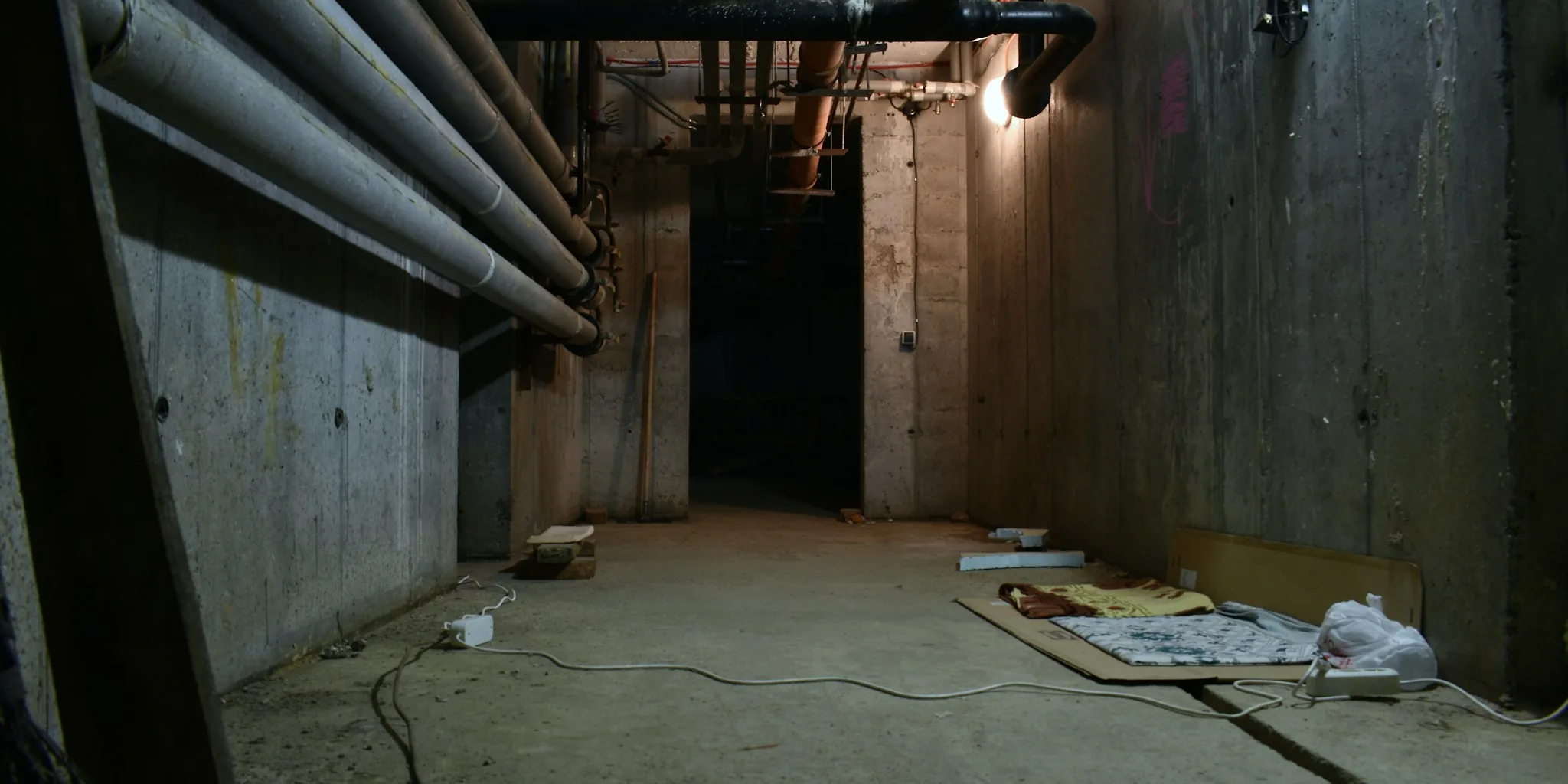
Most homeowners don’t think about the pipes buried beneath their homes until something goes catastrophically wrong. One family learned this lesson the hard way when sewage backed up into their basement while they were on vacation in Paris. What they discovered during the subsequent cleanup was shocking: decades-old cast iron plumbing pipes had completely corroded and collapsed, requiring full replacement at a cost of $20,000, extensive basement demolition, and yard excavation.
This isn’t an isolated incident. Millions of homes built before the mid-1970s contain cast iron sewage pipes that are now reaching the end of their useful life. Experts warn that we’re currently in a critical period where homes from the 1920s through early 1970s are hitting peak decay risk. Understanding what causes this failure and how to catch it early can save you tens of thousands of dollars in emergency repairs.
Why Cast Iron Pipes Fail
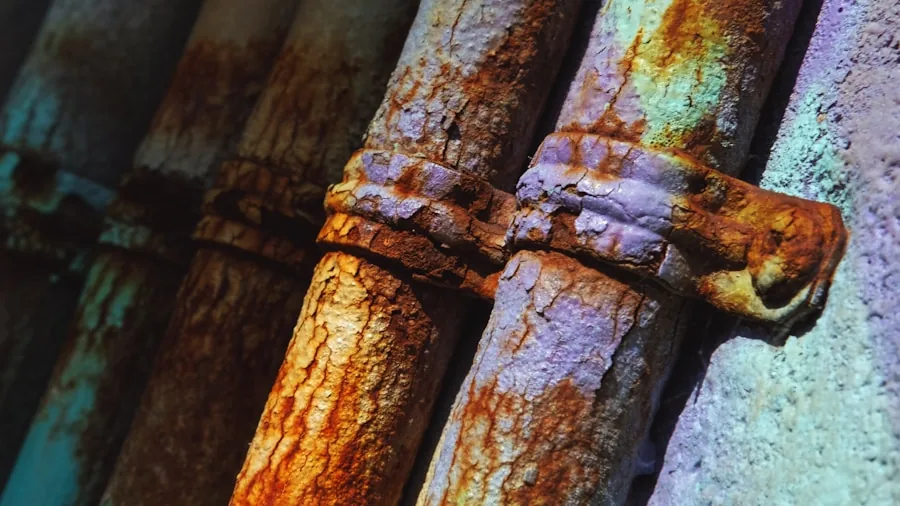
Cast iron was the standard choice for house wastewater pipes before PVC became common in the mid-1970s. The problem is that this material deteriorates in two directions simultaneously. Over 50 to 100 years, sulfuric acid from wastewater eats away the metal from the inside, while acidic soil corrodes it from the outside. The result is a pipe that becomes hollowed out like a soda can, with walls that were once a quarter-inch thick reduced to near nothing.
When enough deterioration occurs, the pipe doesn’t simply crack. Instead, it collapses suddenly and completely. Homes with septic tanks face even greater risk because the effluent in those systems creates a hydrogen sulfide-rich environment that accelerates corrosion dramatically. This was exactly what happened in the family’s case: their cast iron pipes gave way entirely, leaving no option for partial repair.
Early Warning Signs and Professional Inspection
The most critical lesson from this disaster is that cast iron pipe failure is largely preventable if caught early. Experts recommend having your plumbing professionally inspected with a sewer camera every few years, even if everything appears to be working fine. This inspection typically costs between $100 and $500. Many plumbers will apply this cost toward any necessary repairs.
Watch for warning signs that indicate your cast iron pipes may be failing. Multiple drains backing up simultaneously, recurring clogs that don’t respond to standard treatments, gurgling toilets, muddy spots in your yard, and sewage smells in the basement are all red flags. If you’re buying an older home, request a sewer scope as part of your inspection, as this isn’t typically included in standard home inspections.
Understanding Your Repair and Prevention Options
The cost of repair depends heavily on how early the problem is identified. If a camera inspection discovers scale buildup but the pipe walls are still sound, professional descaling or hydro jetting costs $200 to $800 and can extend your pipe’s life by years. Caught at a slightly later stage, spot repairs might cost $1,000 to $4,000. Trenchless pipe lining, a less invasive option, runs $80 to $250 per foot.
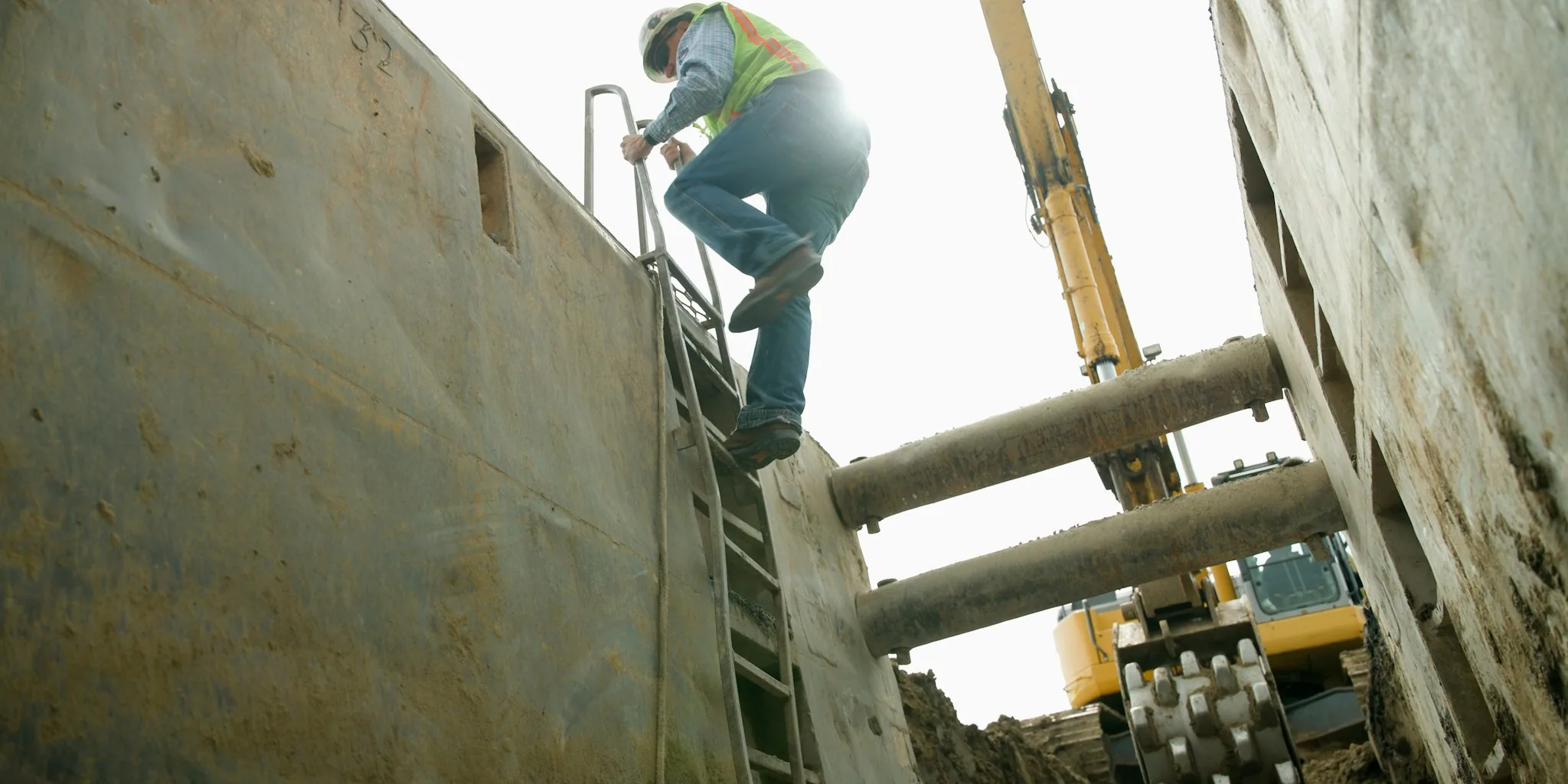
However, if pipes are too deteriorated, full excavation and replacement becomes necessary, costing $4,000 to $25,000 for the pipes alone, plus additional expenses for mold remediation and structural repairs. The family in this story fell into that category, making their $20,000 bill right in the middle of the typical replacement cost range.
Prevention Strategies You Can Implement Today
If your home was built before 1975, you almost certainly have cast iron pipes. Here’s what you should do immediately:
- Schedule a professional camera inspection within the next few months
- If pipes are in decent shape, arrange professional descaling every two to three years
- Avoid chemical drain cleaners, which can damage old pipes; use enzyme cleaners or a drain snake instead
- If you have a septic tank, pump it every three to five years
- Purchase homeowners insurance endorsements for sewer service line and water backup coverage for $30 to $100 annually
- Install a leak sensor near your lowest drain if you’ll be away on vacation
- Never flush anything except human waste and toilet paper, even if labeled flushable
Additional risk factors include coastal humidity, salt spray, acidic soil, high water tables, and mature trees near your home. If any of these apply to your property, your cast iron pipes may deteriorate faster than average.
What to Do If a Backup Occurs
If you experience a sewage backup, immediately shut off your main water to prevent additional waste from entering the system. Contact a plumber right away, but don’t assume blockage is the cause. Insist on a camera inspection before any water pressure treatment is attempted. When obtaining repair bids, get quotes from at least two or three contractors, including one that specializes in trenchless repairs, to understand all your options.
Standard homeowners insurance typically doesn’t cover sewer line failures or backups, so out-of-pocket costs can be substantial. This makes early prevention even more important. A $300 inspection today can prevent a $20,000 emergency tomorrow. If you own a pre-1975 home, don’t panic, but do schedule that sewer scope appointment this month.




Write Your Review
No reviews yet. Be the first to share your experience!