
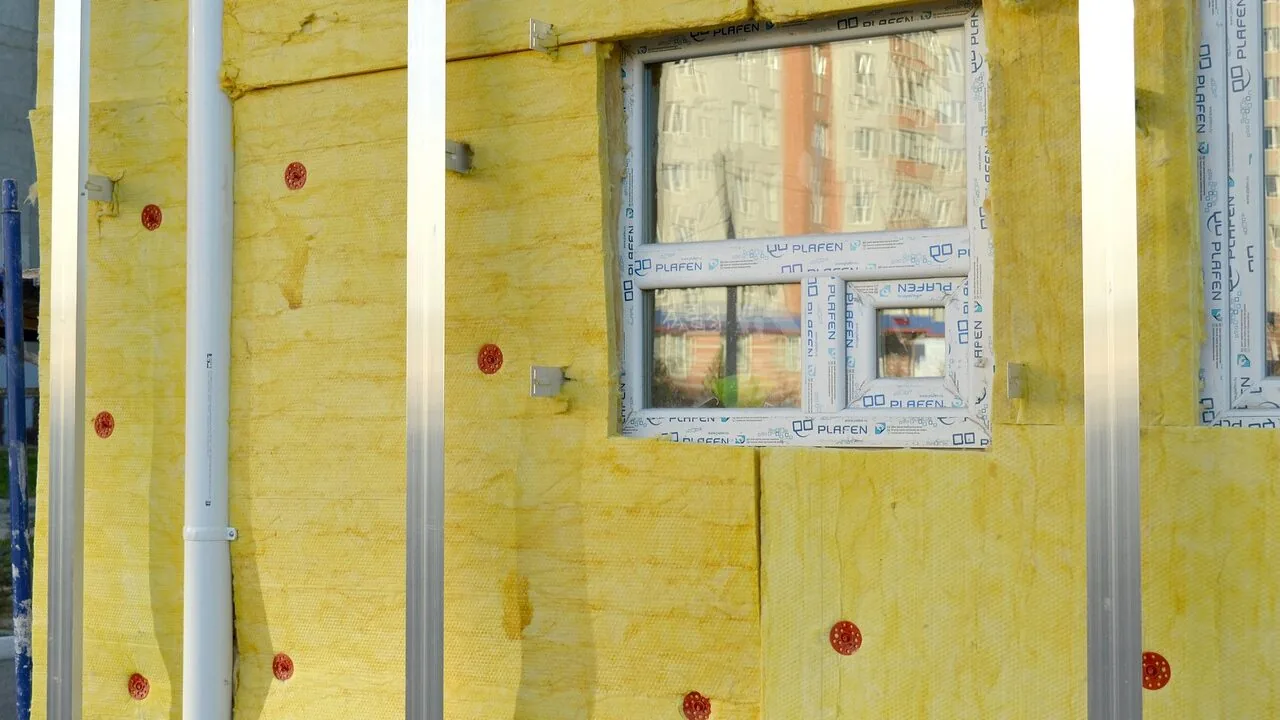

Why Garage Door Insulation Matters This Season
As temperatures drop and energy bills climb, homeowners are looking for affordable ways to improve comfort and cut costs. One often overlooked solution is insulating your garage door. Metal garage doors offer minimal thermal protection, which means your garage can lose or gain significant temperature swings depending on the season. Adding insulation to an existing door is a straightforward project that can transform how comfortable your garage workspace feels, and it costs far less than replacing the entire door.
The payoff is substantial. Insulated garage doors maintain an average temperature difference of 10 to 12 degrees Fahrenheit warmer in winter and up to 20 degrees cooler in summer compared to uninsulated doors. Beyond temperature control, insulation also reduces noise transfer, so you won’t hear street traffic while working in your shop, and your neighbors won’t hear power tools or music drifting out.
Choosing Between Foam Boards and Batt Insulation

Your first decision is whether to use rigid foam boards or flexible batt insulation. Most DIYers favor rigid foam because it’s easier to cut and fit. Three types of foam board work well for garage doors: expanded polystyrene (EPS) with an R-value around 4.6 per inch, extruded polystyrene (XPS) at R-5 per inch, and polyisocyanurate (ISO) at R-5.8 per inch. Always choose foil-faced, fire-rated foam boards, never unfaced foam, which is flammable and potentially illegal under local building codes.
Batt insulation, which comes in rolls or strips, offers flexibility and is often cheaper upfront. However, standard batts are typically too thick for most garage door channels. If you go the batt route, look for thinner 1.5-inch fiberglass or mineral wool batts, which are sometimes available through plumbing supply stores. Fiberglass batts deliver R-values between R-4.7 and R-6.45, while Rockwool batts provide R-4.3 to R-5.16, depending on density.
Understanding R-Values and Thermal Performance
R-value measures how well insulation resists heat and cold transfer, so higher values mean better performance. Thickness directly affects R-value, so a 1.5-inch foam board delivers approximately R-4.5 to R-5.8 depending on the type. Keep in mind that compressing batt insulation or allowing it to get wet significantly reduces its R-value, making rigid foam a more reliable choice for most applications.
One critical point: insulation only works effectively if your garage is airtight. If your garage is drafty, adding insulation to the door alone won’t deliver the temperature benefits you expect. For maximum results, also weatherstrip around the sides of your garage door, seal the floor with proper coatings, and consider insulating exposed stud walls and the garage roof.
Installation Kit vs. DIY Installation

Garage door insulation kits start at around $50 and typically include precut panels, adhesive, tape, utility knife, gloves, and sometimes a dust mask. The real advantage of a kit is the specially designed retainer pins that hold insulation in place so it won’t fall on your car when the door opens. These plastic or metal pins have plates that anchor to the back of the door channels.
If you skip the kit and work with loose materials, you’ll need to secure insulation with compatible adhesive and tape. Cut foam boards slightly thinner than your door’s interior channel depth, usually 1.5 inches for a standard 1.75-inch channel. Use foam-safe adhesive and expanding foam to seal gaps, but apply expanding foam sparingly because it expands significantly.
Maximizing Your Investment
Insulating the door is just part of a comprehensive approach. Replace the rubber sweep at the bottom of your garage door and install weatherstripping around all edges to block drafts. For those using their garages as workshops or hobby spaces year-round, these steps make the difference between working in reasonable comfort or avoiding the garage during extreme seasons.
Insulation adds virtually no weight to your garage door, so your existing opener will continue functioning normally. The project takes just a few hours and delivers immediate comfort and energy savings. Whether you choose foam boards or batts, kit or DIY, this upgrade is an economical way to reclaim your garage space and reduce heating and cooling costs.






Write Your Review
No reviews yet. Be the first to share your experience!