
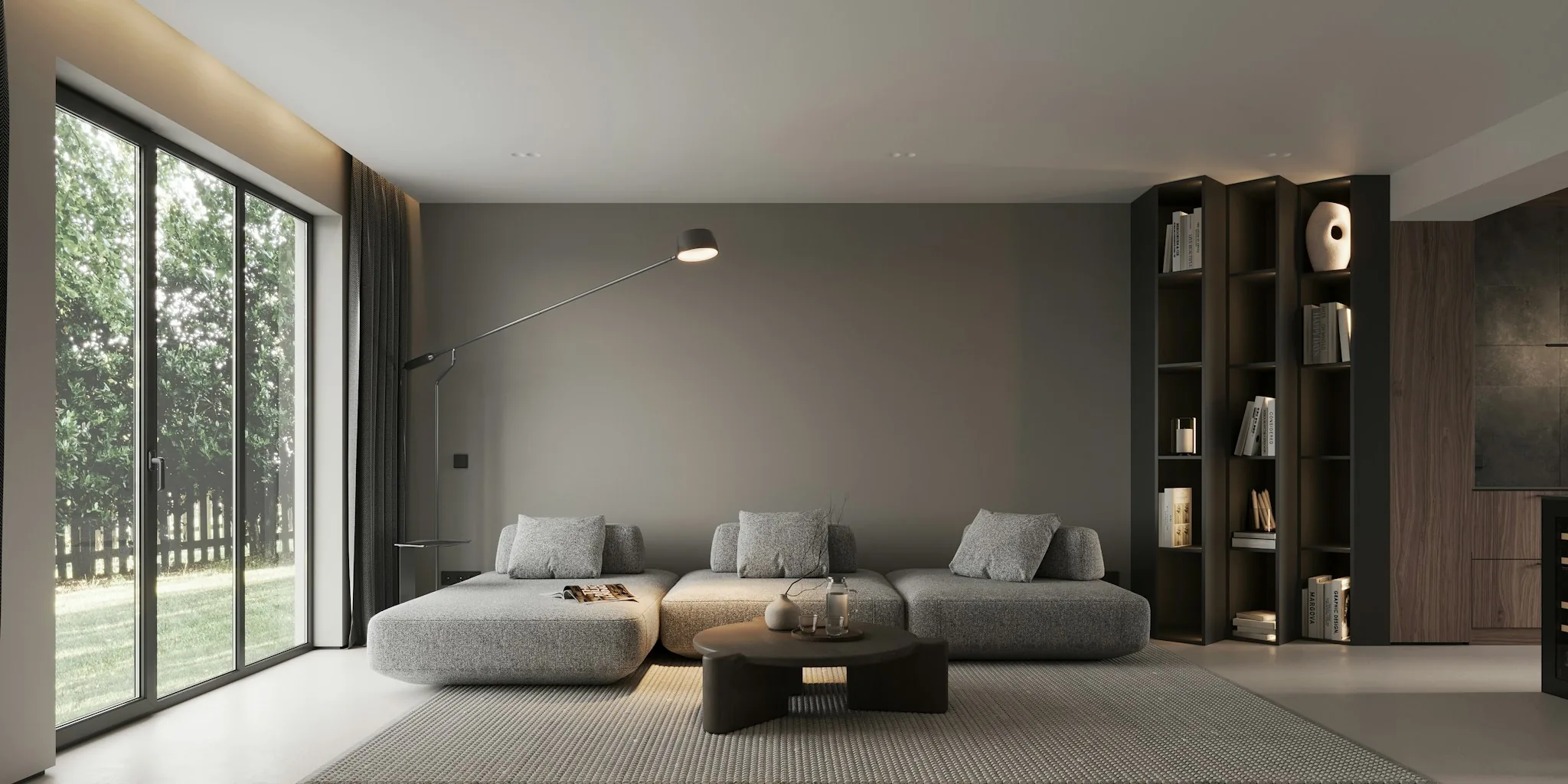

Lutron has just rolled out a significant update to its Caseta smart home system, bringing voice control to the table for users who want to command their lights, window shades, and music without fumbling with apps or reaching for physical switches. This partnership with Sonos speakers marks a major step forward in making connected home devices more seamless and intuitive to operate.
What Changed: Voice Control Now Works Across Your Entire Setup
For years, Lutron’s Caseta system and Sonos speakers have been able to talk to each other, but voice commands were conspicuously absent from that relationship until now. The update lets anyone with a Sonos speaker that has a built-in microphone control their Caseta lights and motorized shades entirely through voice. Simply say “Hey Sonos” followed by your command, and the system responds without requiring you to pick up your phone or toggle a switch.
The integration goes beyond basic single-device control. You can now create combined presets that adjust your lights, shades, and music all at once, making it simple to set the perfect ambiance for different times of day or activities. The system can also be configured to respond automatically when you arrive home or leave, all managed through the Lutron mobile app.
Why This Matters for Shoppers
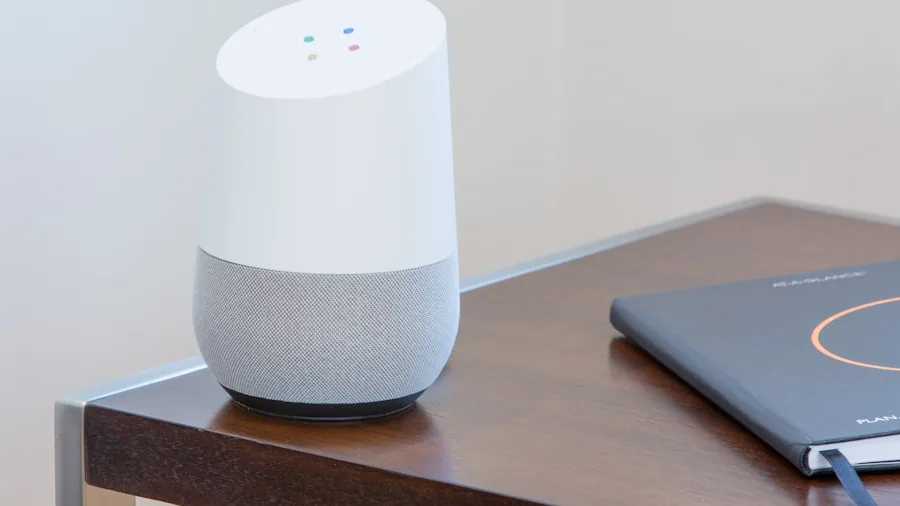
The smart home landscape has historically been fragmented, requiring users to jump between multiple apps and control methods just to accomplish everyday tasks. This update addresses that frustration by bringing together two popular platforms. For anyone considering a move to smart home automation, the streamlined experience offers a compelling reason to invest in Caseta’s ecosystem.
The setup process is straightforward. After linking your devices in the Lutron app, you navigate to the Integrations menu and enable Sonos Voice Control. From that point forward, voice becomes your primary control method for an increasing number of tasks around your home. This kind of integration is what transforms smart home technology from a novelty into something genuinely useful for daily life.
Understanding the Limitations
One important caveat: voice commands only work through Sonos speakers equipped with a built-in microphone. Older Sonos models without this feature won’t support voice control, though they can still function with the Caseta system through other methods. However, every device in the Caseta lineup, including switches, dimmers, and smart plugs, is compatible with voice commands once enabled.
For those starting from scratch, Lutron’s pricing remains competitive. The Smart Switch Kit begins at $94.95, while the Smart Dimmer Kit and Lamp Dimming Plug Kit both cost $99.95. A paddle-style Diva Dimmer Kit tops out at $119.95. Each starter package includes the Smart Hub, which is essential for voice functionality to work. These smart home hubs serve as the central nervous system for coordinating all your connected devices.
Building Your Smart Home Strategy
When evaluating whether this update is relevant to your needs, consider your current setup and goals. If you already own Sonos speakers with microphones and are frustrated by the need to use multiple control methods, this upgrade eliminates that pain point entirely. If you’re in the early stages of building a smart home, starting with Lutron’s Caseta system now gives you access to voice control from day one.
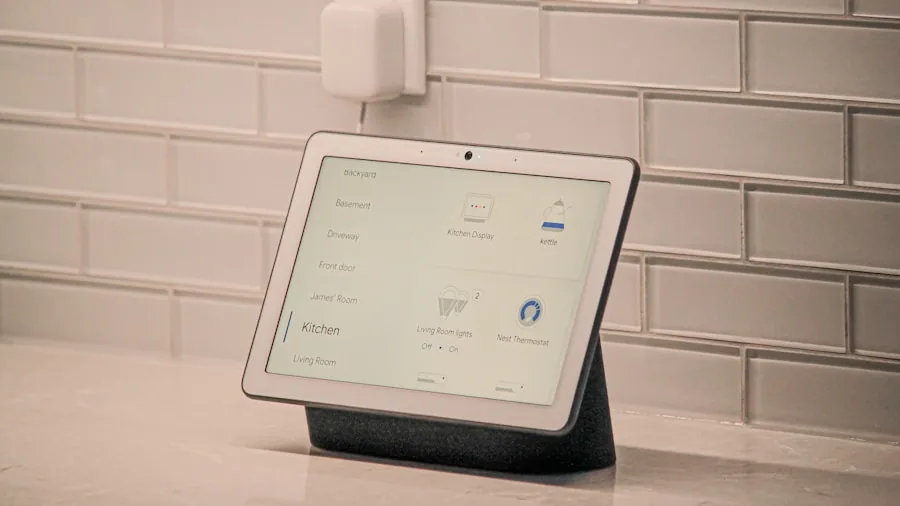
The broader lesson here is that smart home success increasingly depends on choosing platforms that work well together. Rather than assembling random devices from different manufacturers, selecting ecosystems designed for integration pays dividends. Smart displays and voice hubs have become central to how modern homes are controlled, and this Lutron update reinforces that trend.
For homeowners who value convenience and want their smart devices to respond intuitively to voice commands, this development is genuinely worth paying attention to. It shows that even established smart home brands are actively working to reduce friction and make automation feel natural rather than cumbersome.





Write Your Review
No reviews yet. Be the first to share your experience!