


Apple is preparing to make a significant push into the smart home market with an ambitious lineup of new and upgraded devices. For years, the company has taken a measured approach to home automation, offering only the HomePod mini and Apple TV. That’s about to change dramatically, with reports indicating a comprehensive expansion that includes refreshed versions of existing products, entirely new form factors, and the company’s first dedicated security devices.
Updated HomePod Mini and Apple TV 4K Coming This Fall
The first wave of products is expected to arrive later this fall, starting with upgraded versions of two cornerstone devices. The HomePod mini will reportedly move from its current S5 processor to the newer S9 chip, along with potential improvements to its wireless connectivity and new color options. The real game-changer, however, will be software-based: Apple’s long-awaited Siri AI integration could finally make the speaker significantly more useful and capable than it is today.
The Apple TV 4K is also receiving a processor boost, potentially upgrading from the A15 Bionic chip to the faster A17 Pro. This upgrade would enable local processing of some Apple Intelligence features and better support for AI-powered Siri voice commands. Apple is also reportedly considering a redesigned remote, though details remain limited. Current pricing for both devices (HomePod mini at $129 and Apple TV 4K at $199) is expected to hold for the refreshed models.
Smart Home Hub with Display Coming Between October 2025 and Early 2027

The most intriguing product in development is Apple’s first dedicated smart home hub with a built-in display, internally codenamed HomePad. This device represents Apple’s answer to competitors like Google Nest Hub and could fundamentally change how homeowners interact with their connected devices.
Two design variants are reportedly under consideration: a wall-mounted display model and a speaker-based design similar to Google’s popular hub. Both versions are expected to feature a 7-inch square display and run on a new operating system internally called homeOS. The device will handle FaceTime calls, control all your smart home devices, and incorporate Siri AI to make voice commands more natural and responsive. An A18 chip will power the experience.
This new hub could serve as a unified control center for your entire smart home ecosystem, positioning it as a critical piece of the puzzle for anyone managing multiple connected devices. If you’re currently juggling various apps and remotes to control different aspects of your home, a smart home hub that unifies every device could simplify things considerably.
Security Products and Advanced Displays on the Horizon
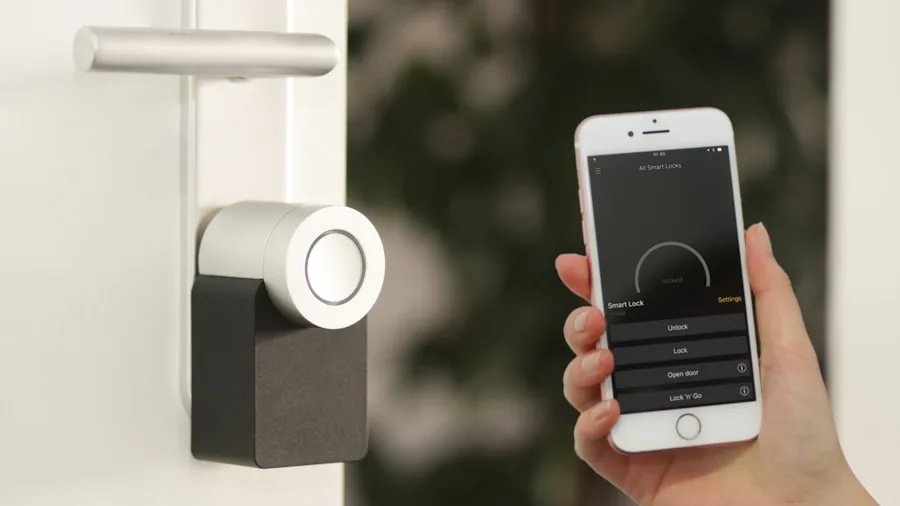
Looking further ahead, Apple’s smart home ambitions extend well beyond speakers and basic hubs. The company is actively developing its first security products specifically designed for the home market, including a dedicated security camera and a smart doorbell. These devices would round out Apple’s offering for homeowners concerned about protecting their properties and monitoring entry points.
Even more ambitious is a planned advanced version of the smart display with a 9-inch screen and a built-in robotic arm. This tabletop robot concept suggests Apple is thinking creatively about how displays can add physical capabilities to the smart home experience, though the timeline for this product remains unclear.
A full-size HomePod update is also in development, designed to complement the HomePod mini and offer a premium audio option for your home. This larger speaker will receive a newer processor to support Siri AI and maintain feature parity with other products in the expanding ecosystem.
What This Means for Smart Home Shoppers
The significance of Apple’s expanded roadmap is substantial. Rather than simply refreshing aging products, the company appears to be building a genuine smart home platform. The emphasis on Siri AI improvements across all devices addresses one of the primary criticisms that has limited adoption of Apple’s home products: they simply haven’t been as capable or intuitive as alternatives from other manufacturers.
For consumers already invested in Apple’s ecosystem, these announcements suggest the company is finally taking smart home seriously. The integration of AI features could make voice control more natural and context-aware, reducing the frustration many users experience with current voice assistants.
For those still undecided about which smart home platform to commit to, Apple’s expanded lineup gives you more options and a clearer roadmap of what’s coming. The competitive landscape is heating up, with voice control being added to more lighting systems and smart displays becoming increasingly sophisticated.
The key question for prospective buyers remains whether Siri AI can finally deliver the kind of intelligent, context-aware assistance that makes the hardware truly worth having in your home. If Apple executes on its promises, the next 18 months could represent a significant turning point in how accessible and useful the Apple smart home ecosystem becomes for everyday consumers.






Write Your Review
No reviews yet. Be the first to share your experience!