
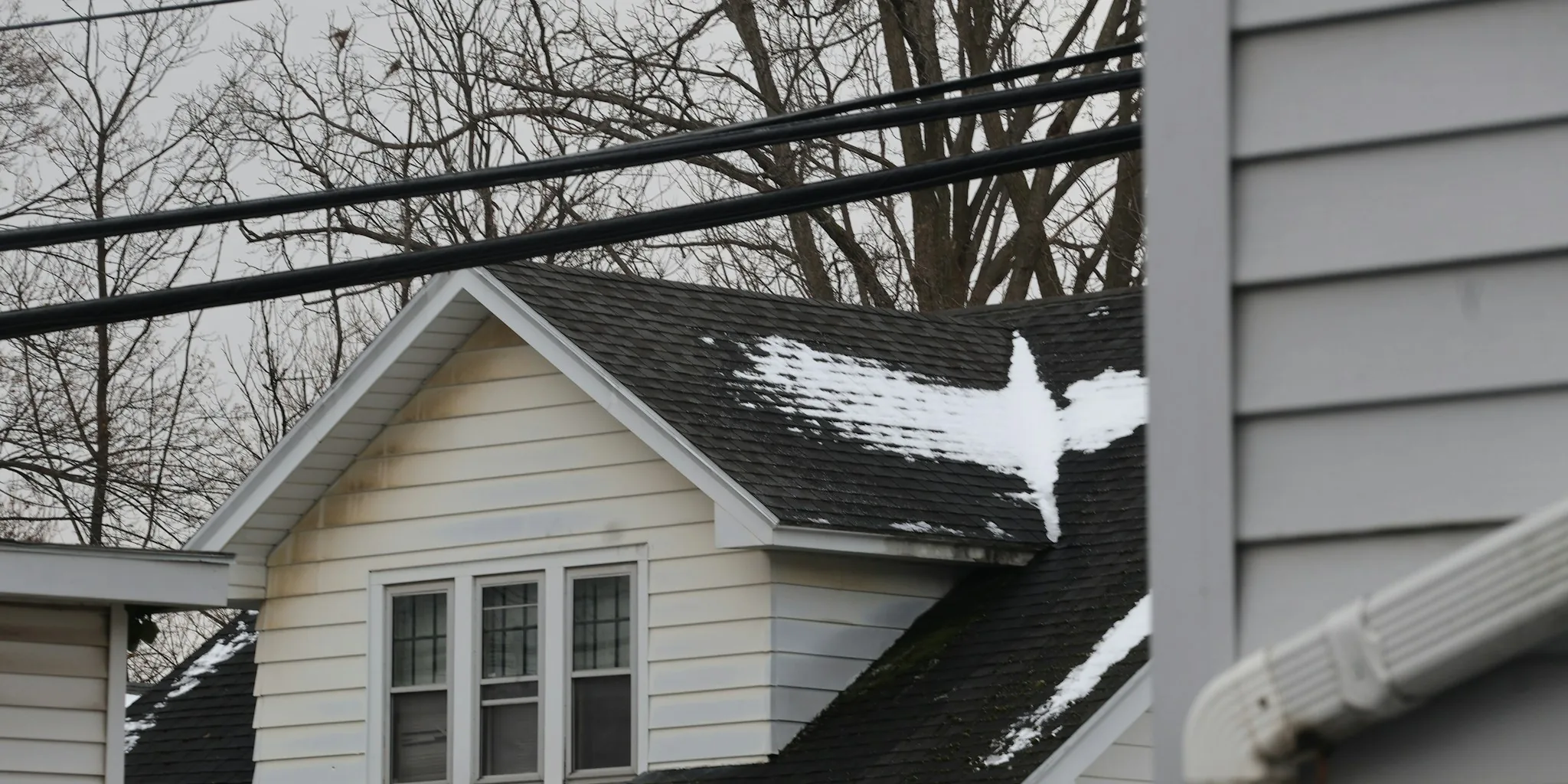

Record Roof Damage Claims Signal Rising Storm Threat
Extreme weather is striking American homes harder and more often. In 2024, roof repair and replacement claims reached a staggering 31 billion dollars across U.S. residential properties, according to risk assessment firm Verisk Analytics. That jaw-dropping figure reflects an uncomfortable reality: homeowners face unprecedented pressure from hail, high winds, heavy rain, and snow that wear down roofing faster than ever before. Understanding what this means for your home and wallet is essential.
Your Roof Is Your Home’s Critical Defense System
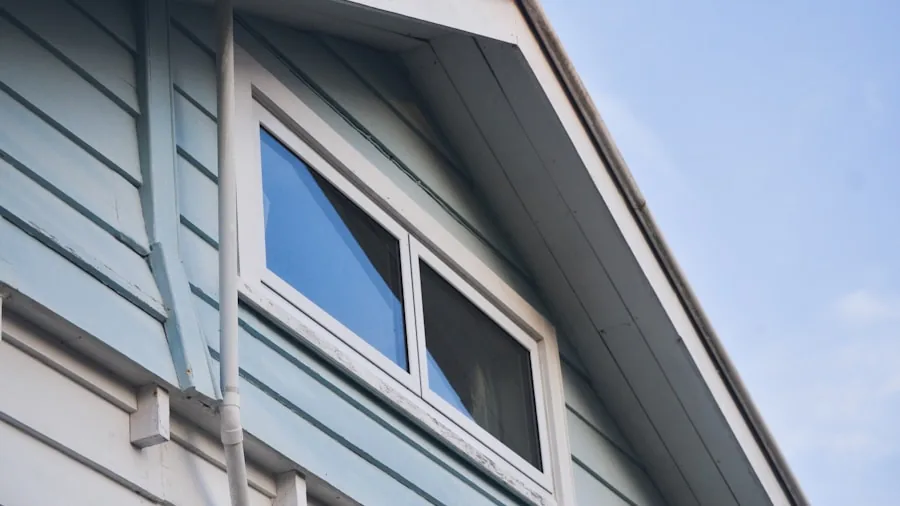
Think of your roof as your home’s first and most important line of defense against the elements. The shingles, underlayment, and supporting structure work together to keep moisture out and your interior dry. When roofing fails, water infiltration follows quickly, leading to costly damage that extends far beyond the roof itself.
Moisture that penetrates through damaged shingles can rot rafters and ceiling joists, compromising your home’s structural integrity. Over time, this causes roofs to sag and interior walls to bow and shift, creating cracks in drywall and distorting door and window frames. In extreme cases, complete roof failure occurs. Modern shingles feature a multilayered design with an asphalt layer that causes water to bead up and run off, granule coatings that disperse water impact, and underlayment that serves as a second line of defense. Yet when weather extremes intensify, not all shingles can keep up.
Five Warning Signs Your Roof Needs Replacement
Catching roof problems early saves thousands in repair bills. Watch for these telltale signs:
- Curling and cupping shingles: Warped or curled edges indicate dried-out shingles that cannot effectively repel water.
- Damaged or missing shingles: Cracked or missing shingles leave your roof deck exposed. Isolated damage can be patched, but widespread damage demands full replacement.
- Granule loss: Large deposits of granules in gutters, downspouts, or roof valleys signal shingles failing and shedding their protective coating. New roofs naturally shed some granules in the first two years, so don’t panic over small amounts.
- Water stains in the attic: Dark stains or soft, rotted wood on rafters mean water is already infiltrating your roof.
- Age: Standard 3-tab shingles last 15 to 20 years. Higher-end architectural shingles reach 20 to 25 years. If your neighborhood was built around the same time as your home and neighbors are replacing roofs, yours likely needs replacement too.
Why Impact-Resistant Shingles Matter in Today’s Climate
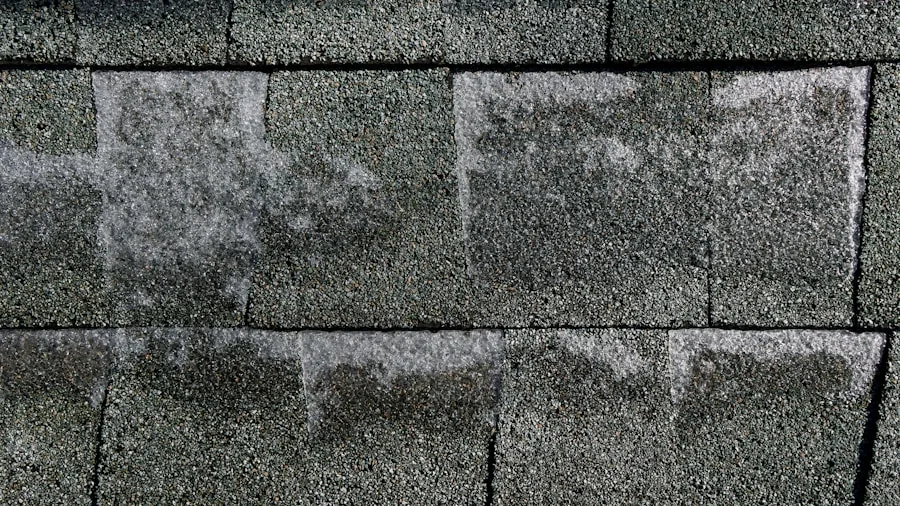
As hail storms grow more severe, impact-resistant shingles have moved from luxury to necessity in many regions. Flashing mistakes are destroying roofs, but so are inadequate shingle designs that cannot absorb hail impact. Premium shingles engineered for extreme weather use reinforced cores and next-generation polymer-modified asphalt technology to absorb and disperse impact energy, reducing damage from hail up to 3 inches in diameter.
The best impact-resistant products earn UL 2218 Class 4 ratings from Underwriters Laboratory, the highest impact resistance classification available. This means the shingle withstood a 2-inch steel ball dropped from 20 feet onto the same spot twice. Some premium shingles perform even beyond these standards during internal testing. Better granule adhesion, with 70 to 80 percent improved granule retention compared to standard shingles, keeps the protective coating intact even after severe hail pounding. Wind-resistant designs also matter: top-tier shingles warrant protection against wind speeds up to 160 miles per hour.
What You Should Do Right Now
Start by scheduling a professional roof inspection if your home is nearing 15 to 20 years old or if you have noticed any warning signs. Proper roof ventilation protects your home, so ensure your existing system meets current standards. When replacement time comes, prioritize shingles specifically designed to withstand extreme weather events rather than choosing based on price alone. Hail warranty coverage and impact ratings should be key criteria in your decision.
The 31 billion dollar roof damage bill in 2024 underscores an uncomfortable truth: standard roofing may no longer be adequate protection. By proactively inspecting your roof, recognizing early damage signs, and investing in weather-resilient shingles when replacement is needed, you protect your home’s structure and your financial security against the increasingly severe storms ahead.

Write Your Review
No reviews yet. Be the first to share your experience!