
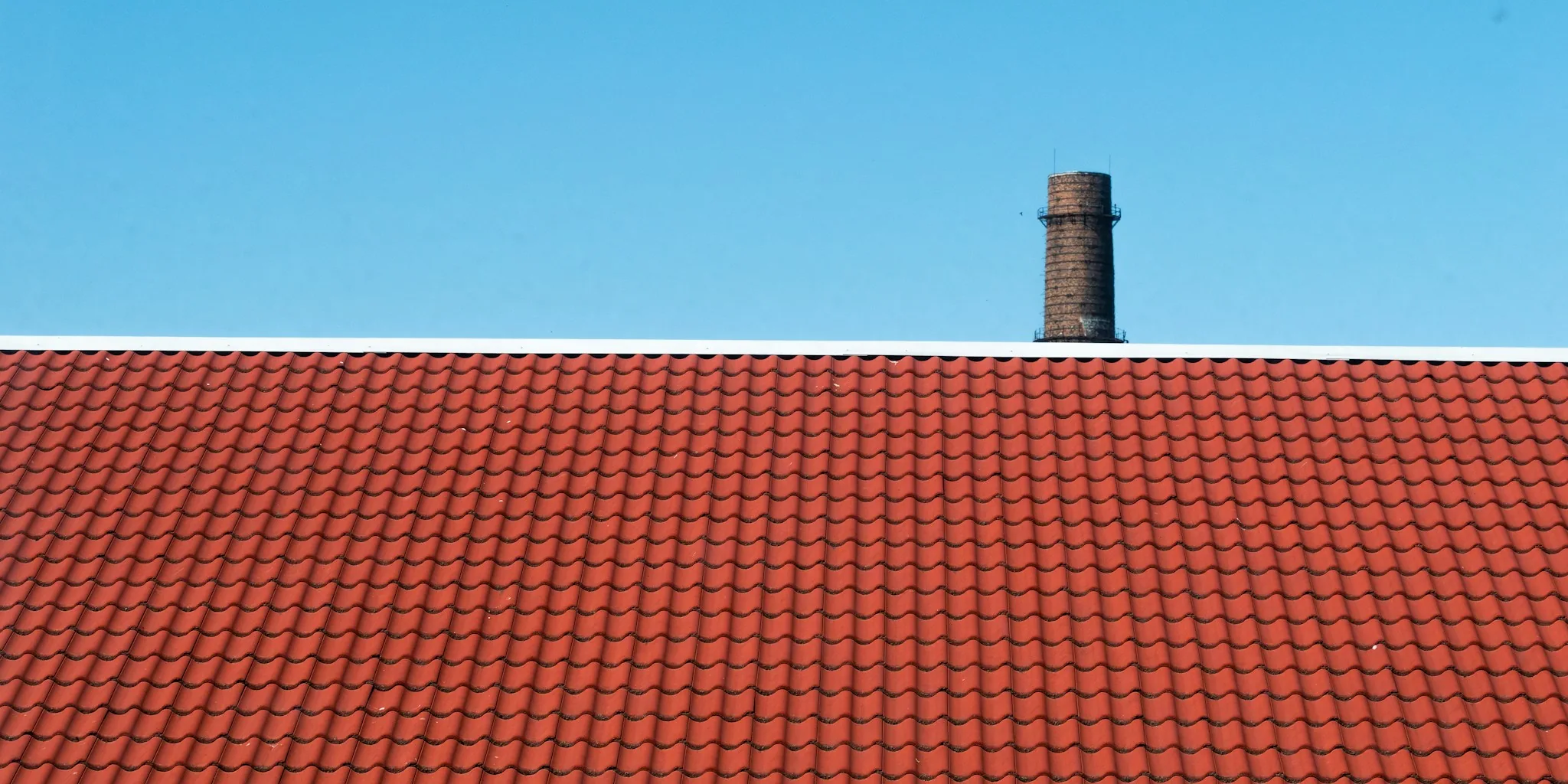

Proper roof ventilation is one of the most important yet overlooked aspects of home maintenance. Without adequate airflow in your attic, you’re inviting moisture buildup, mold growth, energy inefficiency, and premature roof deterioration. Whether your home lacks ventilation entirely or simply has the bare minimum, upgrading your system can prevent costly damage and extend the life of your roof.
Understand How Passive Ventilation Works
The majority of homes use passive ventilation, which relies on natural air movement created by heat rising. This system requires two key components: intake vents that draw cool air in from the lowest points of your roof (typically under the eaves), and exhaust vents that release hot air near the ridge. Understanding this principle helps you make informed decisions about upgrading your roof’s breathing capacity.
Tip 1: Calculate the Right Amount of Ventilation
Building codes typically require a minimum of 1 square foot of ventilation for every 300 square feet of attic floor space. However, if your home doesn’t have a vapor barrier, you may need more. Check with your local building department to ensure your ventilation meets current code requirements in your area.
Tip 2: Choose the Right Intake Vents for Your Home
Intake vents come in several varieties depending on your home’s design. Soffit vents are the most common and are installed under the eaves. If your home has narrow or no eaves, consider gable vents, shingle-over intake vents, or roof edge vents instead. The key is ensuring that cool air can freely enter from the lowest point of your roof.
Tip 3: Select Exhaust Vents That Match Your Roofline
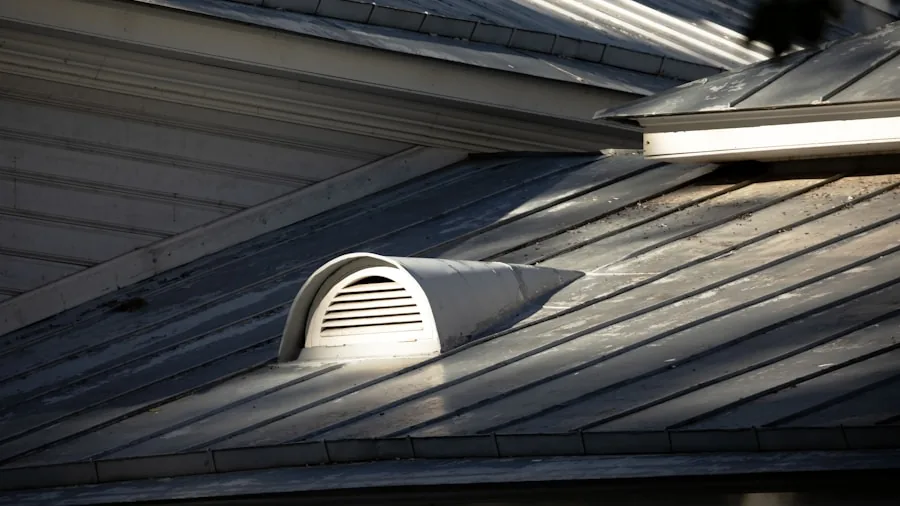
Exhaust vents release hot air and should be positioned along or within 3 feet of the ridge. Popular options include ridge vents, which run the entire length of your roof and blend seamlessly into the roofline. Static vents, turbine vents powered by wind, and solar-powered fans are also effective choices. Avoid installing too many exhaust vents, as this can deplete conditioned air and trap moisture near the vents.
Tip 4: Maintain Balance Between Intake and Exhaust
A well-functioning ventilation system requires equilibrium. Aim for an equal number of intake and exhaust vents, spaced evenly on each side of your home. Imbalanced ventilation undermines the entire system’s effectiveness, so take time to assess your current setup during a spring inspection.
Tip 5: Keep Vents Clean and Unobstructed
One of the easiest maintenance tasks is also one of the most critical: keeping your vents clear. Soffit vents and other intake openings can become clogged with dust, debris, and even insulation if not carefully installed. Make compressed air cleaning part of your annual maintenance routine. Check vents seasonally and clear any blockages you find. Blocked vents are as ineffective as having no ventilation at all, so this simple step prevents major problems down the road.
Tip 6: Monitor for Signs of Inadequate Ventilation
Watch for red flags that indicate your ventilation isn’t working properly. Ice dams forming on your roof edges during winter, moisture or frost accumulating on attic rafters, unusually high cooling bills in summer, or a hot attic ceiling all suggest ventilation problems. If you notice any of these issues, hire a roofing professional to assess your system and recommend upgrades.
Tip 7: Upgrade With Solar-Powered or Powered Exhaust Vents
If passive ventilation alone isn’t adequate, consider active solutions. Solar-powered attic fans use renewable energy to increase airflow without adding to your utility costs. Powered exhaust vents automatically activate when attic temperatures exceed a preset threshold, running until the space cools down. These upgrades work especially well for homes with finished attics that can’t accommodate traditional gable or roof vents.
Special Consideration: Finished Attics
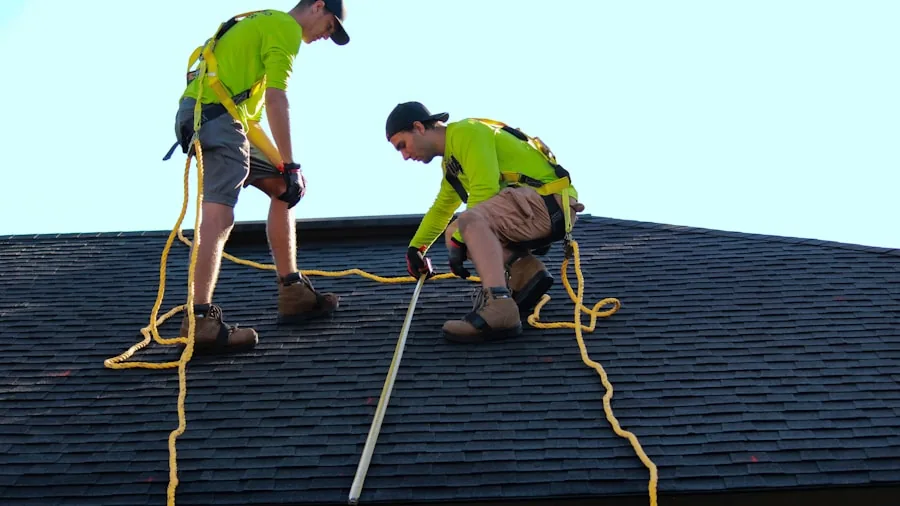
If you’ve converted your attic into living space, traditional roof vents may not fit your design. Rafter vents, also called insulation baffles, can be installed within each rafter space to direct airflow while staying hidden behind finished walls. This solution maintains ventilation without compromising your interior aesthetic.
Get Professional Assessment
Every home’s ventilation needs are unique. If you’re uncertain whether your roof is properly vented, a roofing and ventilation expert can perform tests to evaluate your current airflow and identify problem areas. Protecting your roof and improving your home’s health through proper ventilation is an investment that pays dividends in avoided repairs and lower energy bills for years to come.


Write Your Review
No reviews yet. Be the first to share your experience!