


The typical household floor tells a messy story. One moment you spot crumbs under the dining table, the next there is water near the sink, pet hair by the sofa, and a trail of dirt from someone’s shoes. Most people reach for their trusty vacuum cleaner expecting it to handle all of it equally well. But what if the problem isn’t that your vacuum isn’t powerful enough, but that the entire approach to cleaning with suction is flawed?
A manufacturer called HIZERO has challenged the conventional wisdom that powers the cleaning industry. Instead of designing machines with stronger motors, more specialized rollers, and better filters, the company asked a fundamental question: should suction really be doing this job at all?
The Problem with Conventional Suction Technology
Traditional vacuum cleaners and wet-and-dry cleaners operate on airflow. Suction lifts loose particles from the floor and moves them into a collection system. This approach works reasonably well for dust and crumbs, but real household messes rarely cooperate with single solutions. Liquid, hair, food particles, and dirt all behave differently. Yet conventional machines still route everything through the same suction-based system.
This compromise creates familiar headaches. Solid debris and dirty water often mix together, which can clog the system and reduce performance. The powerful motors needed to generate suction introduce noise and higher energy consumption into the home. Exhaust airflow can stir up fine particles, and the filters, rollers, tanks, and other components themselves require regular cleaning and maintenance. What started as a tool to simplify cleaning becomes another appliance that demands attention.
A Different Approach: Technology Designed Around the Roller
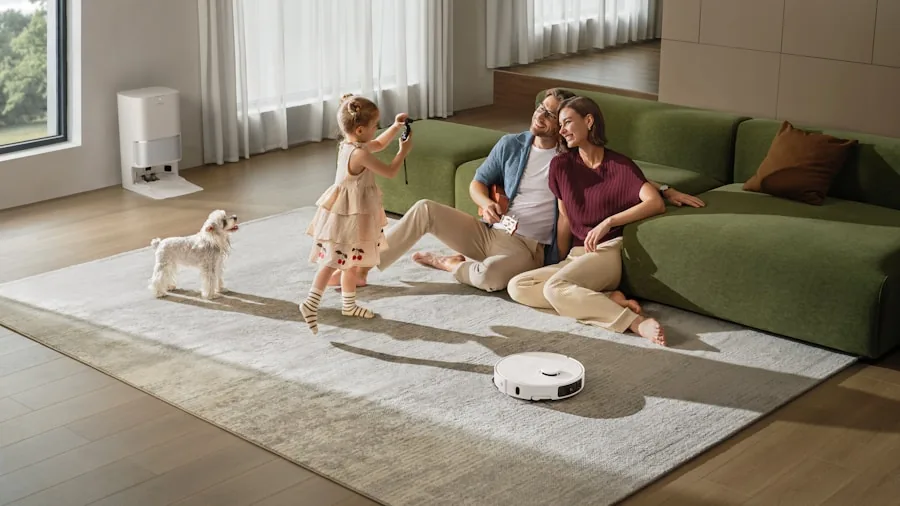
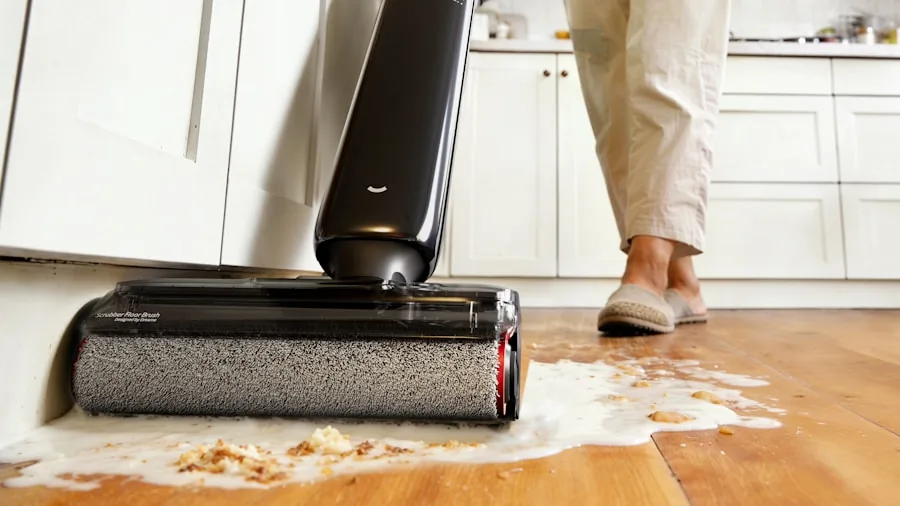
HIZERO’s answer centers on a proprietary bionic polymer roller that collects dry debris and liquid directly from the floor surface, then separates what it picks up instead of forcing everything through a single path. The roller becomes the active cleaning mechanism rather than a supporting component in a larger system.
This distinction matters most with the debris that creates maintenance headaches. Pet hair, for example, can wind around conventional rollers and become a cleaning job itself. HIZERO’s design collects hair and solid debris during the same motion while keeping those materials separate from liquid waste. The company’s no-suction architecture eliminates the need for HEPA filters and dust bags, reducing both the components that can fail and the maintenance work after each cleaning session.
From Manual Tools to Robotic Systems
HIZERO has applied this same principle across an entire product range. The EAZY manual mop handles sweeping, mopping, washing, and wiping with a single push-and-pull motion. A trigger releases fresh water, and the system separates dry debris from liquid waste. No bucket, no cleaning solution, and no power required. Anyone who has ever filled, emptied, and wrung out traditional mop water will appreciate the simplicity.
For those preferring automation, GLIDE is described as the world’s first no-suction robotic floor cleaner. It uses the same bionic cleaning system to remove wet messes, stains, debris, and hair. The robot separates hair, solid waste, and dirty water during collection, eliminating the clogging and dust blowback common in suction-based robots. It operates at 56 decibels, quieter than most conventional robotic cleaners, with a runtime of up to 220 minutes. That quieter operation means cleaning can happen without disrupting work, television time, or sleep.
When considering what cleaning tools to invest in, noise and maintenance burden matter as much as cleaning power. A robot that requires constant filter changes and component maintenance becomes another household chore rather than a time-saver. Similar to air quality appliances that demand ongoing upkeep, traditional vacuum technology increases the total time you spend thinking about cleaning rather than reducing it.
Expansion Beyond the Floor
The concept extends beyond floor cleaning. In 2025, HIZERO introduced HANDY, a multi-surface cleaner designed to replace traditional cloths on countertops, tables, and windows. The company now positions its no-suction technology across a full ecosystem that addresses hard surfaces throughout the home and beyond.
This broader approach reveals something important about the target market. While a home can tolerate cleaning routines that take slightly longer or require different tools, commercial environments like hotels, restaurants, schools, and offices cannot. These spaces need hard surfaces cleaned repeatedly throughout the day. For facility managers and cleaning staff, every minute saved on maintenance between cleaning sessions adds up significantly. Machines that separate debris types and require minimal component maintenance become valuable investments rather than nice-to-have features.
What This Means for Buyers
The shift away from suction-based cleaning represents a fundamental rethinking of what cleaning appliances should accomplish. Rather than asking how much power a machine needs, designers began asking what cleaning actually requires at the surface level.
For shoppers evaluating new cleaning tools, the consideration extends beyond the moment when the machine is running across the floor. Just as backup power systems prove their value during actual emergencies rather than in marketing specs, the true benefit of alternative cleaning technology emerges in the maintenance work that follows every cleaning session. Minutes spent emptying tanks, rinsing filters, or removing wrapped hair add up across weeks and months. A cleaning system that reduces this post-cleaning workload effectively returns time to your household routine.
Whether through manual mops, robotic floor cleaners, or multi-surface tools, the no-suction approach offers shoppers a genuine alternative to the conventional wisdom that has dominated the cleaning industry for decades. For anyone who has finished vacuuming only to realize the machine itself needs attention, that philosophy deserves serious consideration.





Write Your Review
No reviews yet. Be the first to share your experience!