


Homeowners and renters alike are rethinking what a functional kitchen should look like. Rather than cramming countertops with gadgets and filling every wall with cabinetry, a growing number of people are choosing minimalist layouts paired with vintage character. Recent kitchen makeovers reveal that shoppers increasingly want spaces that feel inviting rather than sterile, and they’re willing to invest in thoughtful design choices to achieve that goal.
The Rise of Minimalist Kitchen Design
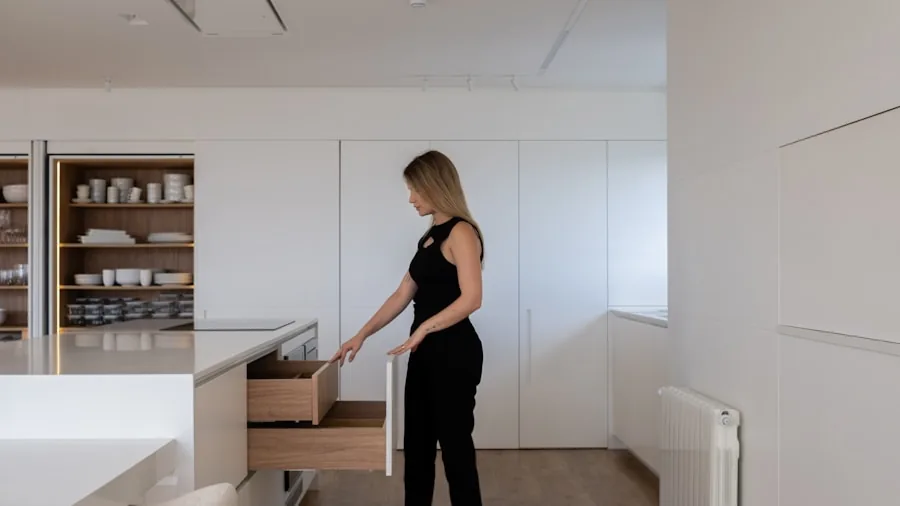
The shift toward minimalist kitchens represents a significant change in how people approach home renovation. Instead of maximizing storage with upper cabinets that create visual clutter, homeowners are opting for open layouts with lower cabinetry only. This approach forces intentional choices about what belongs in the kitchen, reducing unnecessary accumulation. The result is a space that breathes and functions without excess.
One standout example shows how this philosophy transforms even modest apartments. By removing upper cabinetry and keeping walls open, residents create an airy environment that paradoxically feels more livable than cramped, packed kitchens. This trend aligns with broader consumer interest in kitchen makeovers that balance style with smart design choices, proving that less really can be more.
Limewash Paint Offers Vintage Appeal for Modern Spaces
While minimalism emphasizes restraint, many shoppers are pairing that restraint with warm, vintage finishes. Limewash paint has emerged as a favorite tool for achieving this balance. Unlike conventional wall paint, limewash creates a textured, organic appearance that adds character to even newly constructed spaces. The finish feels handcrafted and worldly, bringing an old-European aesthetic into contemporary homes.
Limewash paint works exceptionally well in kitchens because it masks minor imperfections while lending sophistication. Shoppers interested in this approach should know that applying limewash over textured wallpaper is possible, though starting with a blank wall provides better results. Adding water to the paint mixture improves application, especially over existing texture. The finished effect creates a backdrop that feels both timeless and fresh, suitable for kitchens that blend modern appliances with vintage elements.
Strategic Use of Vintage Furnishings and Surfaces
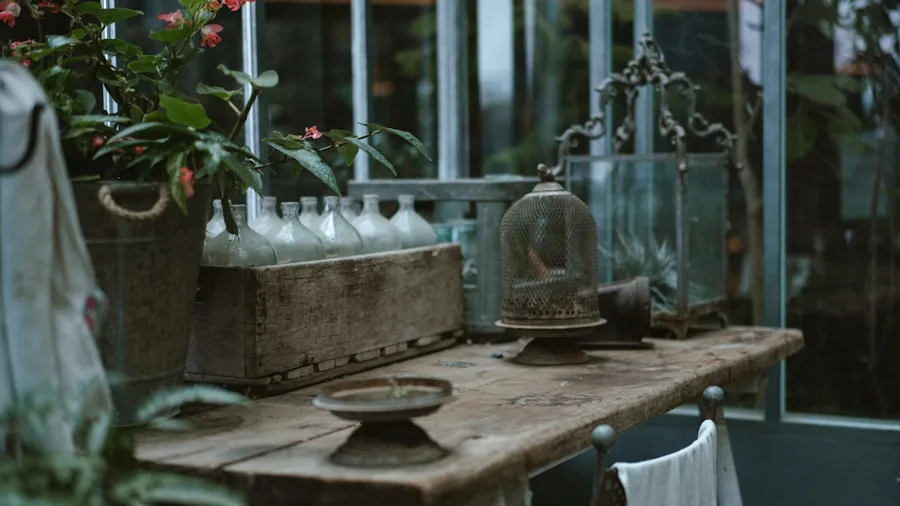
Beyond paint, shoppers are investing in authentic vintage pieces as functional kitchen elements. Rather than treating a kitchen as purely utilitarian space, people are introducing antique workbenches, reclaimed wood tables, and restored furniture that serves dual purposes. These pieces not only add genuine vintage character but also reduce the need for new furniture production, aligning with sustainability-conscious consumer values.
A well-chosen antique work surface can transform how a kitchen functions. These pieces often provide generous working space while serving as display areas for plants, glassware, or herbs. The durability of genuinely old furniture often exceeds that of mass-produced contemporary options, making them practical long-term investments. Shoppers looking for this aesthetic should consider proper care techniques for wooden kitchen furniture and tools to preserve their investment.
Maximizing Space Through Vertical Storage and Open Shelving
In kitchens with limited square footage, vertical space becomes precious real estate. Open shelving on walls displays functional items like glassware while maintaining the minimalist visual aesthetic. Window shelves serve double duty: they hold plants and create a living element while maximizing an otherwise unused surface. This approach works especially well in apartments where permanent modifications are limited.
Creative lighting solutions complement these space-saving strategies. When ceiling fixtures aren’t feasible due to rental restrictions or structural limitations, contemporary alternatives like track lights or pendant fixtures can be routed along ceilings and walls to existing outlets. This problem-solving approach shows that functional design doesn’t require extensive renovations. Shoppers planning kitchen upgrades should explore other space-maximizing solutions like appliance garages that keep countertops clear while maintaining accessibility.
What This Means for Kitchen Shoppers
These trends signal a major shift in kitchen priorities. Shoppers are increasingly valuing character, function, and sustainability over status-symbol appliances and overbuilt cabinetry. When making kitchen decisions, consider whether each element serves genuine purpose and contributes to the atmosphere you want to create. Minimalist layouts cost less to achieve than fully custom kitchens, and vintage elements can be found affordably through secondhand markets. A cozy, intentional kitchen that reflects your lifestyle outperforms a sterile showroom aesthetic every time.





Write Your Review
No reviews yet. Be the first to share your experience!