

Celebrity Designer Trend Inspires Fall Outdoor Lighting Revival
As daylight shrinks and temperatures drop, many homeowners assume their outdoor spaces enter hibernation until spring. However, a growing trend driven by celebrity and interior design influencers shows that thoughtfully planned outdoor lighting can transform your backyard into an inviting retreat throughout fall and winter. The key lies in understanding how layered lighting schemes work and which fixtures deliver the most impact for shoppers seeking to extend their season of outdoor enjoyment.
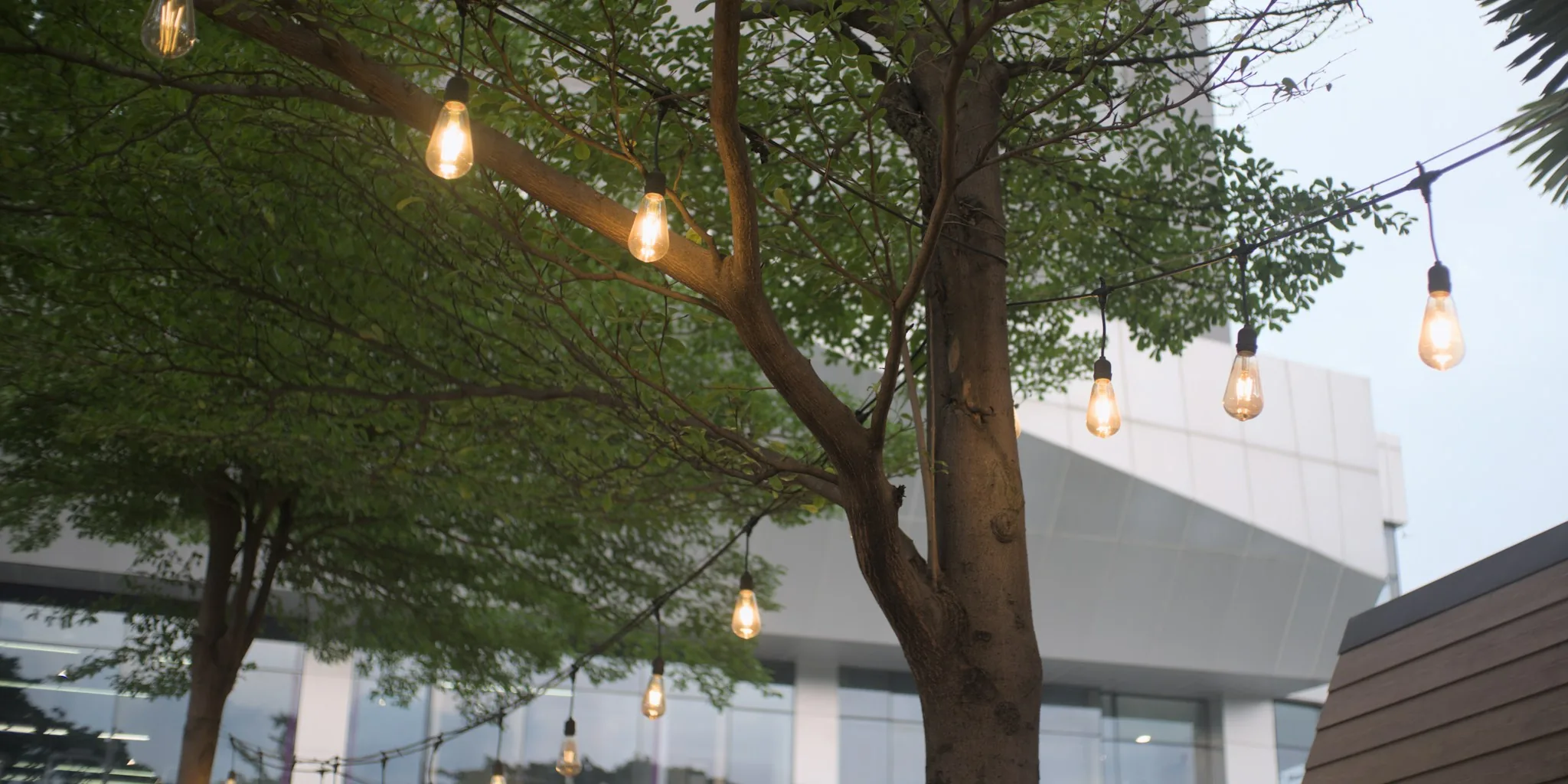
The trend centers on wrapping tree trunks and lower branches with warm white string lights, a technique popularized by high end residential gardens. This approach differs from standard outdoor lighting because it creates soft pools of illumination rather than harsh overhead light. When done correctly, the technique frames garden features, highlights landscape plantings, and makes outdoor gathering spaces feel intimate and cinematic even after sunset.
Understanding Layered Outdoor Lighting for Maximum Impact
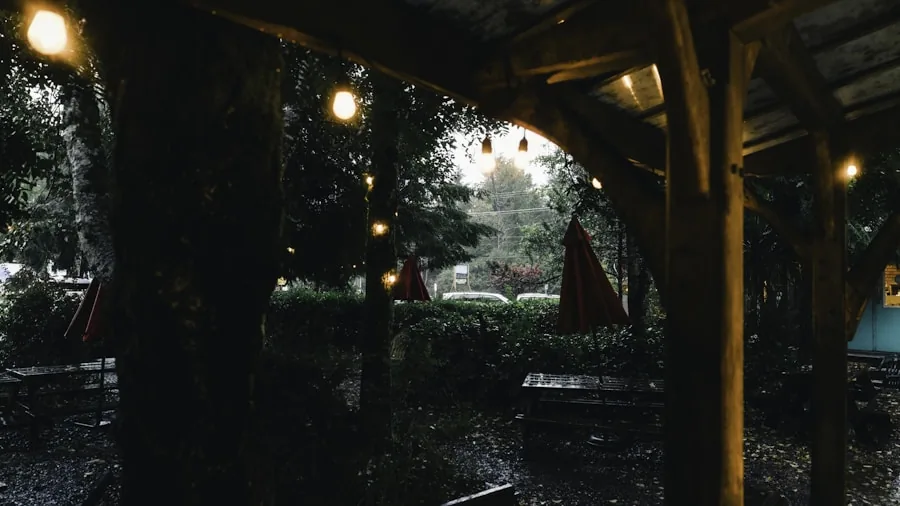
Lighting professionals now recommend treating outdoor spaces with the same intentional layering used inside homes. This means combining multiple light sources at different heights and intensities rather than relying on a single fixture. A well executed scheme typically includes three components: overhead or ambient lighting for general visibility, mid level accent lighting to highlight specific features, and ground level lighting to define pathways and plantings.
Tree wrap lights serve as an excellent starting point for ambient glow. These consist of warm white LED strands wound tightly around tree trunks before extending into main branches. The technique works because the tree itself becomes the light source, casting gentle illumination across the surrounding area. For those looking to explore affordable entry points into this style, solar lanterns bring rustic charm to backyards and provide flexible alternatives to permanently installed fixtures.
The second layer should address specific garden elements like seating areas, dining tables, or decorative features. Freestanding solar powered lanterns, tabletop lamps, and floor standing fixtures offer flexibility because they can be repositioned seasonally. This movability appeals to shoppers who rent their homes or prefer to adjust their outdoor layout without committing to permanent installation. Pool areas benefit particularly from this approach, as floating solar lights add reflective depth and extend visual interest across water surfaces.
Practical Implementation for Average Homeowners
You do not need a sprawling estate to capture this aesthetic. The trend translates remarkably well to modest backyards, patios, and smaller outdoor gathering spaces. Begin by assessing your existing landscape structure. Trees serve as natural anchors for wrap lighting, but if your property lacks mature trees, stake lanterns positioned along garden beds or pathways deliver comparable results.
When selecting fixtures, color temperature matters significantly. Warm white lights measuring between 2700K and 3000K create the desired cinematic effect, while cooler white tones feel harsher and less inviting. Solar powered options have become increasingly reliable in recent years, offering convenience without electrical installation costs. IKEA launches affordable portable patio lighting solutions that demonstrate how mainstream retailers now cater to this market shift.
Restraint proves crucial when implementing this trend. Overlit gardens feel theme park like rather than atmospheric. Instead, position your primary light sources to create shadows and depth. Aim for selective illumination that reveals garden character without bathing everything in uniform brightness. This approach uses roughly thirty to forty percent less electricity than traditional outdoor lighting while delivering superior aesthetic results.
Integration With Existing Outdoor Design

Modern outdoor lighting should complement permanent fixtures rather than replace them. Wall sconces, patio string lights, and festoon lighting hung overhead continue playing important roles in comprehensive schemes. The difference lies in how these elements work together. Kitchen lighting evolves beyond harsh overhead fixtures, and the same principle applies to outdoor spaces where warm accent lighting works alongside functional illumination.
Maintenance considerations should influence your purchasing decisions. Solar lanterns require periodic cleaning to function optimally, while battery powered options need seasonal battery replacements. Hardwired fixtures eliminate these concerns but involve higher upfront installation costs. Most homeowners find a hybrid approach most practical, combining permanently installed ambient lighting with flexible solar lanterns for accent effects.
What This Means for Fall and Winter Shoppers
The outdoor lighting market continues expanding as retailers respond to increased demand for year round garden enjoyment. This means shoppers now have genuine options beyond basic porch lights and deck fixtures. Product quality has improved substantially, with most contemporary solar lanterns and LED wrap lights offering comparable brightness and lifespan to wired equivalents.
Budget planning remains essential. A complete outdoor lighting scheme costs between five hundred and two thousand dollars depending on yard size and fixture quality. Starting with core elements like tree wrap lights and a few accent lanterns allows you to build gradually while observing what works best for your specific space and layout.





Write Your Review
No reviews yet. Be the first to share your experience!