
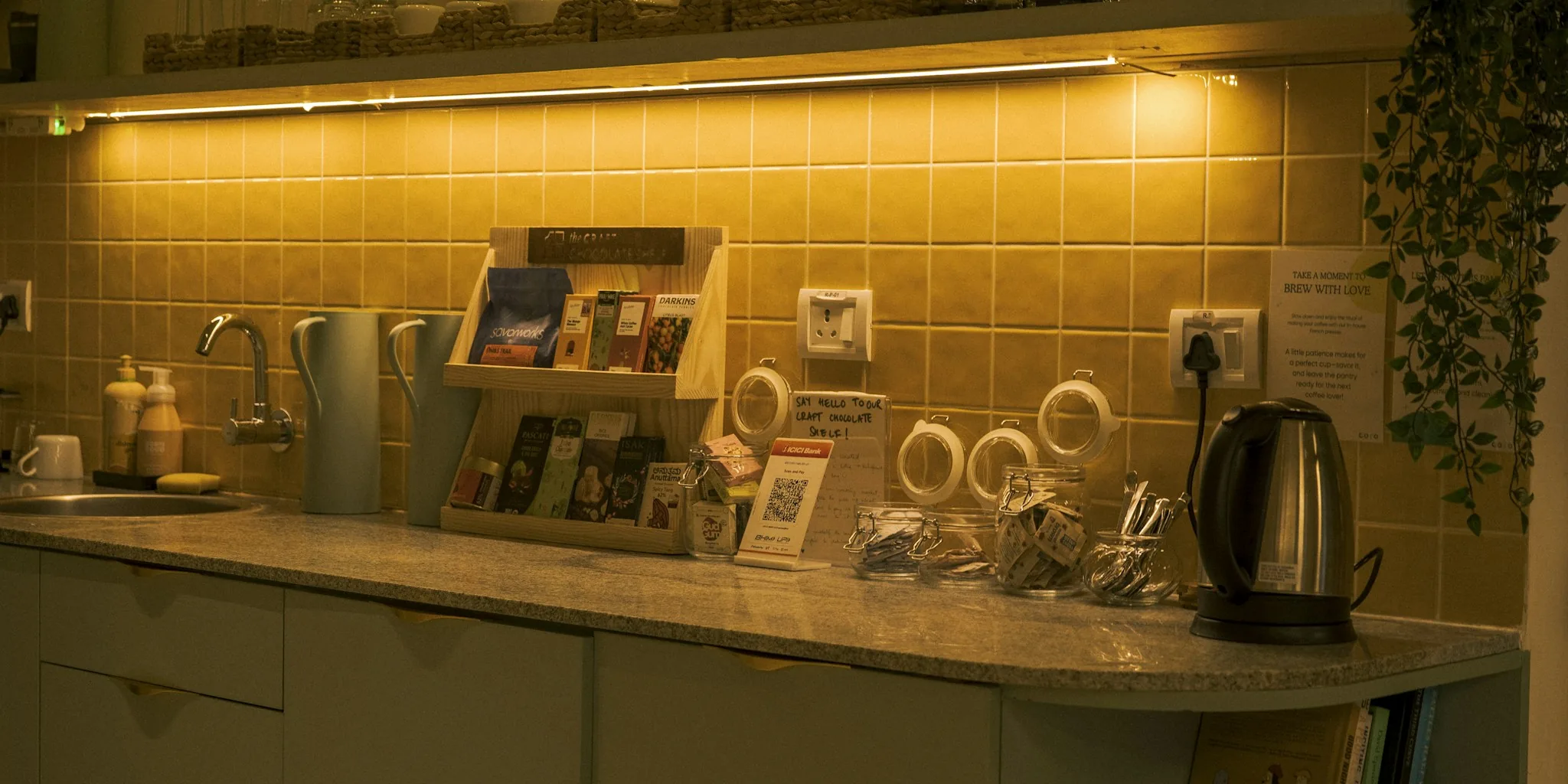

Why Kitchens Are Moving Away from Bright Overhead Lighting
For decades, kitchen lighting design prioritized pure function. Bright recessed fixtures ruled, delivering maximum visibility for cooking and cleanup. But a shift is underway, and homeowners are discovering that kitchens benefit from a more layered approach to illumination. The trend toward softer, more ambient lighting isn’t actually new, a point made clear by archival photos from celebrity kitchens dating back to the early 1990s.
This design evolution reflects a growing understanding that lighting does more than enable visibility. It shapes how a room feels and how people experience the space after dark. As more consumers reject the institutional brightness of traditional overhead systems, they’re adopting strategies that blend practical illumination with warmth and atmosphere.
The Counter Lamp Solution for Ambient Kitchen Lighting
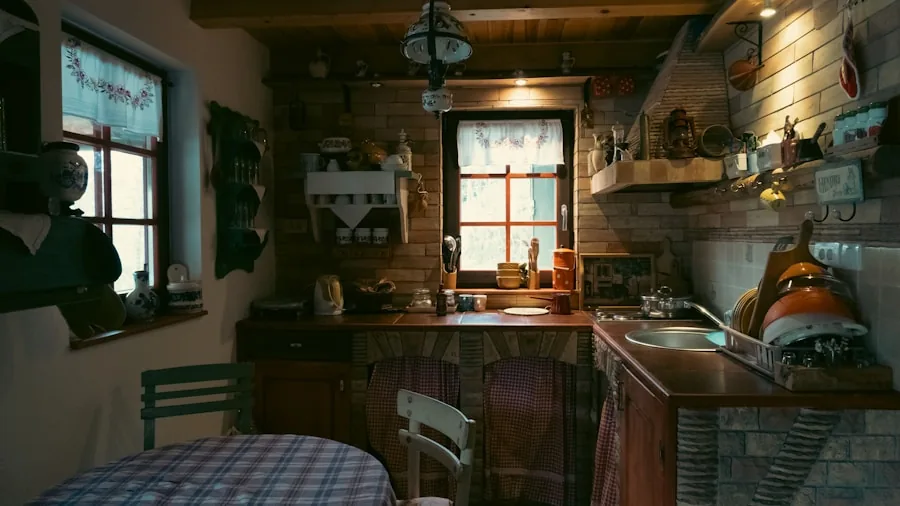
One of the simplest ways to introduce atmospheric lighting into your kitchen is through a well-placed table lamp on your counter or open shelving. A small lamp with a pleated or soft fabric shade creates what designers call a focal point of gentle light, distinct from the broader coverage of ceiling fixtures. Rather than bathing the entire space in brightness, these lamps cast limited pools of warm illumination that invite comfort and conversation.
This approach works because it operates on a different principle than overhead lighting. While recessed lights aim for uniform coverage, a counter lamp concentrates warmth in a specific area. This effect becomes particularly noticeable during evening hours when task lighting is no longer the priority. Switching on a counter lamp instead of a full overhead system reduces eye strain and creates an environment that feels lived-in rather than clinical.
The beauty of this strategy is its flexibility. You can place a lamp wherever you need it most, whether that’s behind the stove to highlight cabinetry, on an island for a welcoming glow, or on a shelf in a darker corner. Warm lighting transforms neutral room design, making this technique valuable whether your kitchen features contemporary minimalism or traditional farmhouse style.
Creating Layered Lighting Throughout Your Kitchen
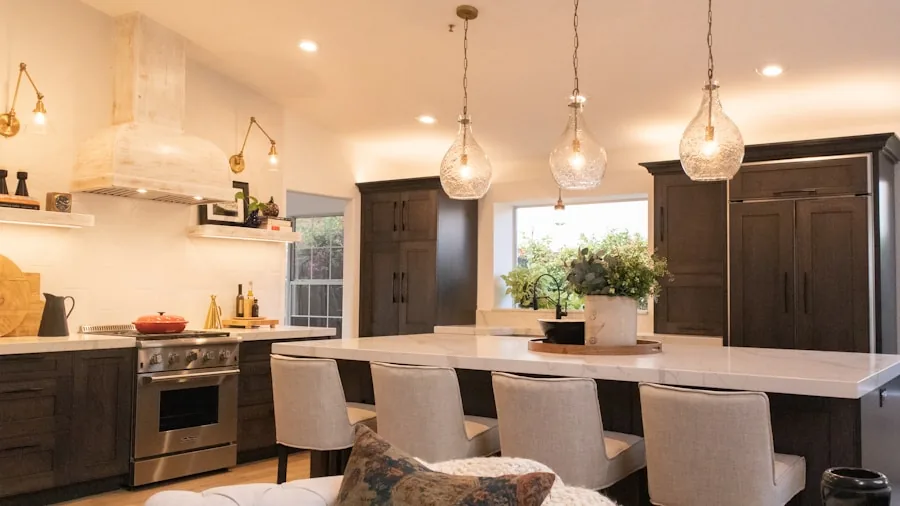
Design experts increasingly recommend thinking about kitchen lighting in layers rather than relying on a single overhead fixture. Layering means combining multiple light sources at different heights and positions throughout the room. A practical ceiling fixture handles cooking tasks, while table lamps, under-cabinet lights, and accent lighting create atmosphere during non-cooking hours.
To make layered lighting feel intentional rather than cluttered, maintain consistency in your choices. Similar materials, finishes, and shade styles help different light sources feel connected as a unified scheme. For example, if you choose a brass table lamp for your counter, echoing brass or metallic tones in under-cabinet fixtures creates visual harmony. Similarly, matching pleated shades across multiple lamps creates a cohesive look without requiring custom installation.
Modern lamps now double as decor, meaning you can select fixtures that look attractive even when turned off. This allows you to incorporate lighting into your overall design aesthetic rather than treating it as purely functional hardware.
What to Look for When Shopping for Kitchen Lamps
When selecting a counter lamp for your kitchen, prioritize these features. First, the shade material matters significantly. Pleated or fabric shades diffuse light softly, while open designs create sharper illumination. For ambient lighting, soft shades are the better choice. Second, consider the base. Wooden, stone, or brass bases integrate more naturally into kitchen design than stark industrial materials. Third, confirm the lamp can be dimmed, since adjustable brightness allows you to control exactly how much light you need at any given moment.
Cordless lamp options have emerged as practical additions for kitchens where counter space is limited or where running electrical cords seems impractical. These units free you from worrying about outlet placement and can be moved easily when you need to reconfigure your kitchen layout.
Alpine chalet bathrooms showcase updated lighting trends that are equally applicable to kitchens, proving that soft lighting approaches work across your entire home.
The Bottom Line for Kitchen Lighting Shoppers
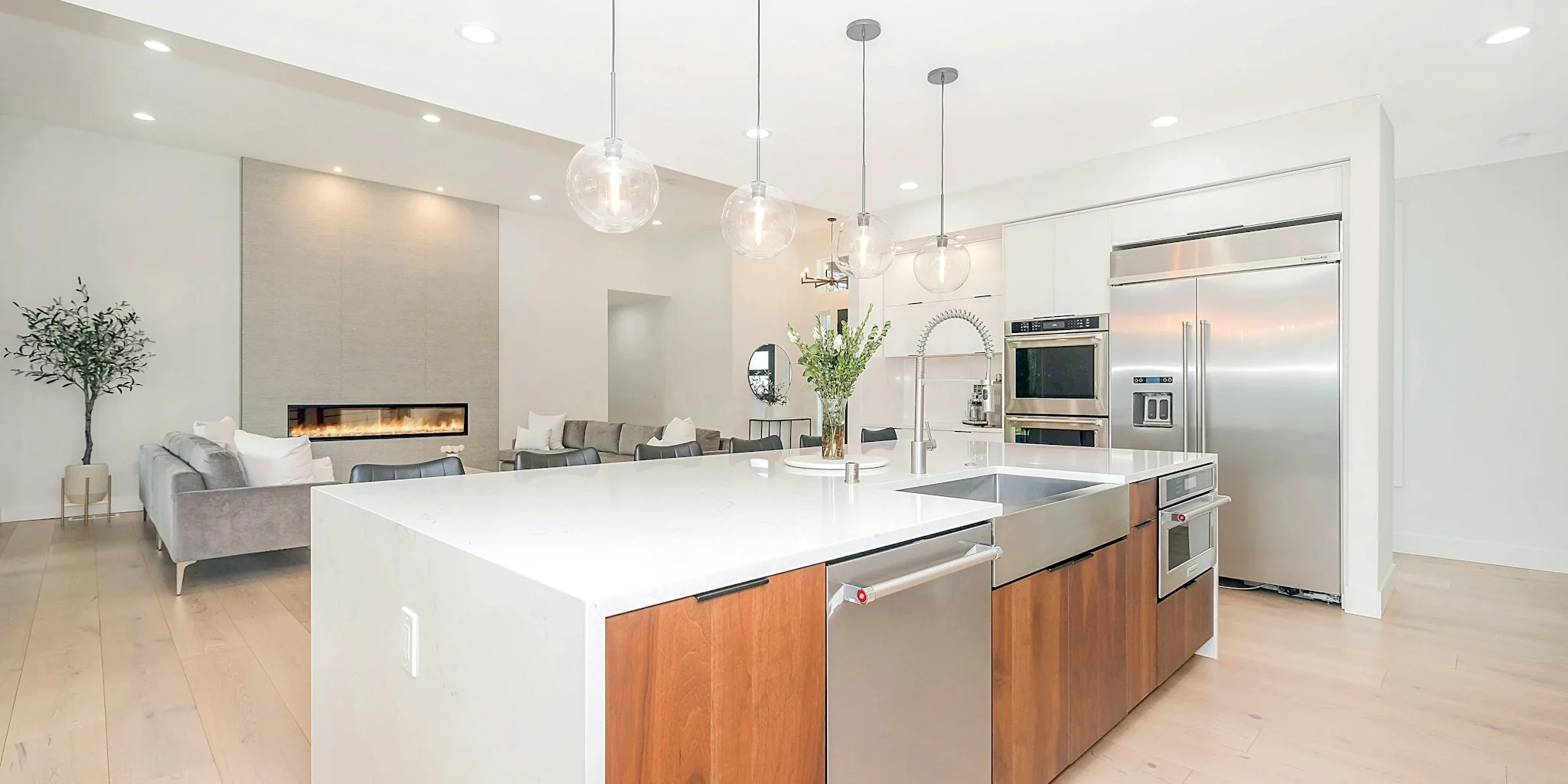
The transition from harsh overhead-only lighting to more balanced, layered approaches represents a meaningful shift in how we think about kitchen design. Shoppers who add counter lamps and supplementary light sources to their kitchens gain greater flexibility in mood and functionality. You can optimize for cooking when needed and switch to a warmer, more inviting atmosphere during meals and evening relaxation. This balanced approach costs far less than renovating overhead systems and delivers results immediately after purchase. Start by adding one quality lamp to your kitchen and experience how even a single soft light source changes the feel of your space.





Write Your Review
No reviews yet. Be the first to share your experience!