
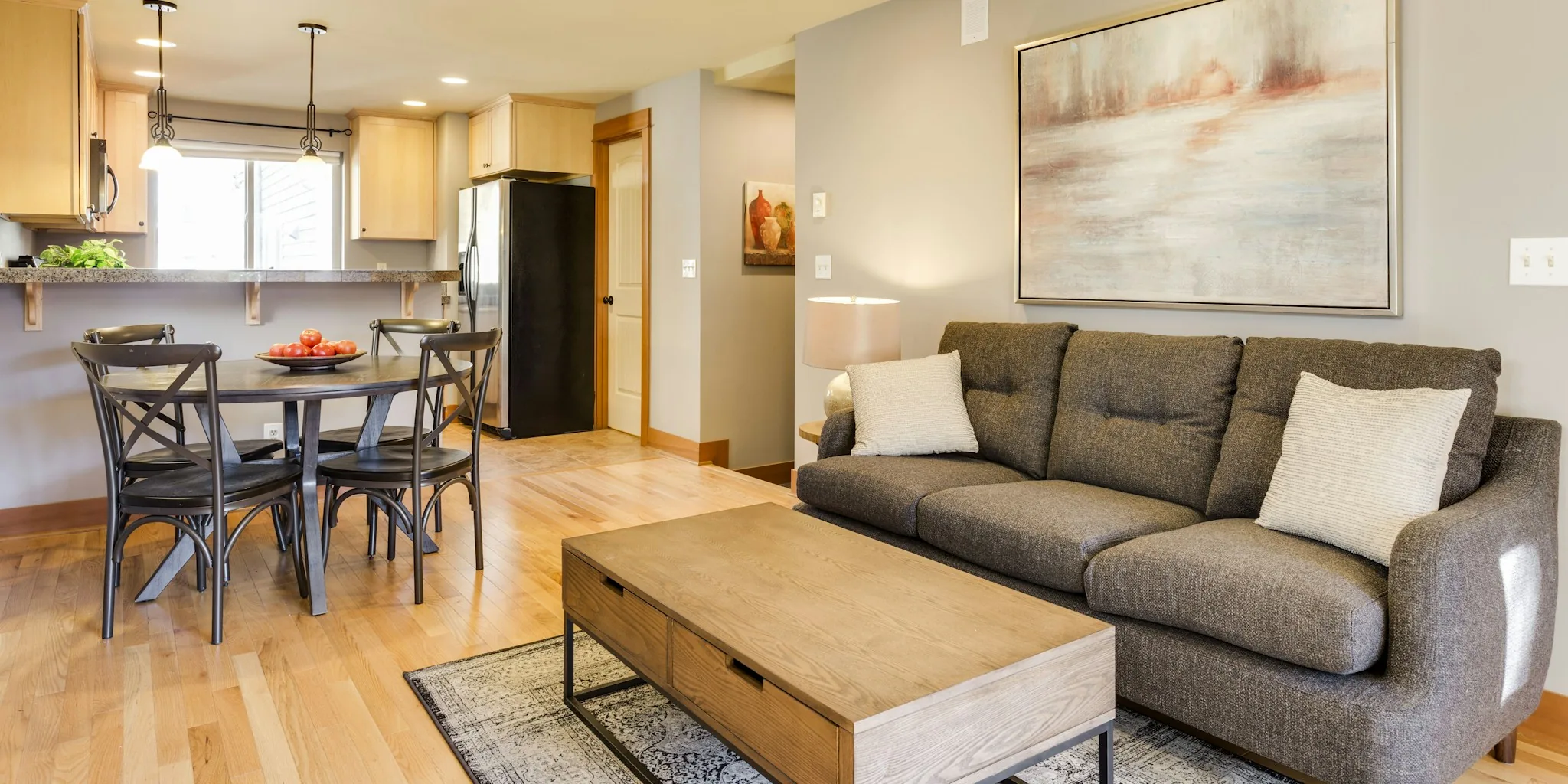

As winter approaches and homes seal themselves against the cold, indoor air quality takes a hit. Forced-air heating systems circulate dust, pollen, and pollutants while fresh outside air becomes scarce. That’s why understanding which air purifiers actually deliver results matters for anyone concerned about what they’re breathing at home.
A comprehensive testing program of more than 60 air purifier models over the past five years reveals which devices genuinely capture harmful particles and which ones fall short. The findings break down into clear categories based on different household needs, budgets, and space constraints, giving shoppers a roadmap to cleaner indoor air.
What Makes an Air Purifier Actually Work
True HEPA filtration stands as the gold standard in air purification. These certified filters trap 99.97 percent of particles as small as 0.3 microns (and sometimes down to 0.1 microns). Most top performers combine HEPA filters with pre-filters that catch larger debris like dust and pet hair, plus activated carbon layers that absorb odors and some chemical compounds.
Coverage area matters tremendously. Manufacturers list how much square footage a purifier handles, but shoppers should focus on the lower figure: the coverage achieved in one hour of operation rather than five. A room’s air quality improves fastest with rapid cleaning cycles. Additionally, the Clean Air Delivery Rate (CADR) indicates how much purified air the device produces per minute. A useful rule of thumb is selecting a unit with a CADR at least two-thirds of your room’s square footage.
Real-world performance in homes doesn’t always match laboratory conditions. Humidity levels, temperature, and specific pollutant types all influence effectiveness. That’s why testing that includes both controlled lab environments and actual homes provides the most reliable insights for buyers.
Top Picks for Different Needs

The Blueair Blue Pure 311i+ Max emerges as the overall leader for most households. It combines fast, effective filtration of particles from cooking fumes to dust mites with whisper-quiet operation across multiple fan speeds. Wi-Fi connectivity allows remote monitoring and scheduling through a smartphone app. The washable fabric pre-filter reduces maintenance hassles while the true HEPA filter captures contaminants down to 0.1 microns. One limitation: it’s not ideal for spaces exceeding 500 square feet.
Budget-conscious shoppers can purchase three GermGuardian AirSafe models for the price of a single premium unit. This entry-level option includes a built-in sensor that automatically adjusts fan speed based on detected particulate matter. Its true HEPA filter and activated carbon layer provide solid performance at a fraction of typical costs. Keep in mind that activated carbon works less effectively in hot, humid climates.
For those prioritizing aesthetics, the Windmill Air Purifier Max delivers design-focused solutions without compromising filtration power. Its customizable paneled exterior integrates naturally into home decor while its 3-in-1 HEPA filter excels at removing seasonal allergens. The intuitive app rivals premium models, though the bright green power indicator can disturb sleepers.
Space-saving needs point toward wall-mounted solutions like the RabbitAir MinusA2, which clears floor space while delivering multi-stage filtration. This compact design captures particles down to 0.1 microns and offers customizable filters targeting specific allergens like pet dander or mold spores. Higher upfront and operating costs reflect its premium positioning.
Large rooms require serious power. The Alen 75i handles up to 1,300 square feet with exceptional cleaning power, capturing contaminants down to 0.1 microns. Its sleek front panel comes in six colors, though filter replacement costs significantly exceed standard models.
Special Applications
Construction and remodeling projects demand industrial-grade solutions. The BlueDri Airbourne Cleaner HEPA Scrubber features heavy-duty construction, powerful motors, and a three-stage filtration system designed for dust-heavy environments. An on-board GFCI outlet lets users charge phones or run power tools while it clears the air. Professional builders report exceptional results for both construction sites and water damage recovery situations.
Shopping Considerations
When selecting an air purifier, evaluate your room size first. Measure square footage and compare against the device’s coverage claims, always using the one-hour metric for fastest results. Consider filter replacement costs since you may need new filters several times yearly. The market continues evolving with new purifier models and innovations, but established technologies remain most reliable.
Placement strategy influences real-world effectiveness. Position units near pollution sources: in kitchens near cooking areas to capture food odors and fumes, in bedrooms close to where you sleep to filter air during rest. Some households benefit from multiple units rather than relying on a single device to cover an entire home.
Air purifiers work best as part of broader indoor air quality management. They complement proper ventilation, humidity control, and regular filter changes. For allergy and asthma sufferers, HEPA filtration provides measurable relief by removing fine particles that trigger symptoms. While lab results show exceptional performance, real-world conditions require realistic expectations about what any single device can achieve.
Modern air purifiers have evolved beyond simple fans and filters. Smart connectivity, quiet operation, attractive design, and customizable filtration now compete alongside raw cleaning power. By matching specific features to your household’s needs and space constraints, you’ll find the right solution for noticeably fresher indoor air.




Write Your Review
No reviews yet. Be the first to share your experience!