

Can You Really Clean a Hairbrush in the Dishwasher?
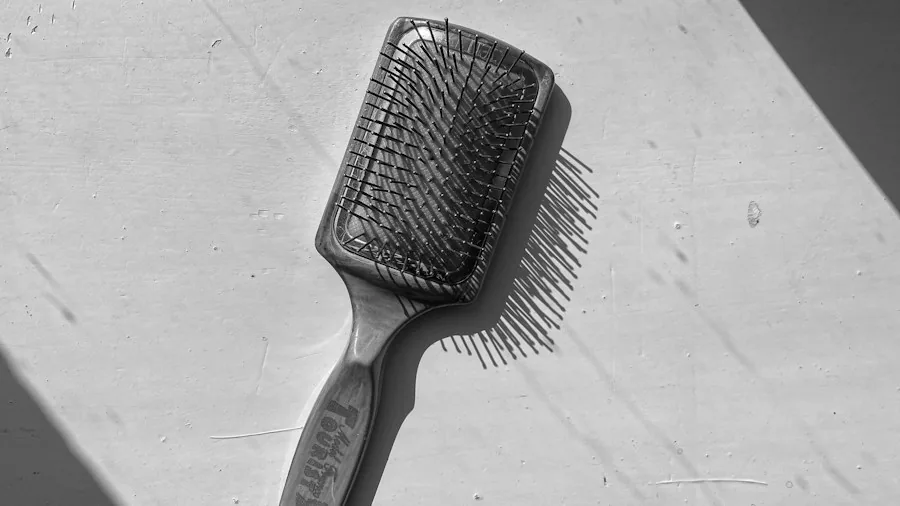
A viral cleaning hack suggests tossing your hairbrush into the dishwasher for a hands-off refresh. The theory sounds convenient, but like many online trends, the reality is more nuanced. According to appliance manufacturer Whirlpool, washing hairbrushes and combs in your dishwasher is technically safe, but only if they meet specific material requirements. Plastic and metal brushes can withstand the heat and water pressure, while wooden brushes or those with natural bristles will deteriorate, warp, or potentially melt. Before attempting this trick, you need to assess whether your brush is actually dishwasher-compatible.
Preparing Your Hairbrush for the Dishwasher

If your brush passes the material test, preparation matters significantly. The first step is removing all visible hair from the brush thoroughly, as loose strands can clog your dishwasher’s filter system and create a maintenance headache. Once cleared, placement becomes the next decision point. The conventional advice places the brush on the top rack, but positioning it in the bottom utensil basket with the handle pointing down offers a practical advantage: any residual buildup or water droplets won’t drip onto your dishes below. For best results, Whirlpool recommends running your dishwasher with the brush as the only item, using regular dishwasher detergent. Running the cycle with a full load of dishes is possible, but you may sacrifice cleaning effectiveness.
What Happens When You Run the Cycle
The actual results of the dishwasher method are mixed. One test of this hack revealed that while the brush emerged noticeably fresher than before, stubborn residue remained trapped between bristles and in grooves. The buildup was reduced significantly but not eliminated entirely. More concerning was water retention: brushes with padded or hollow designs trap moisture inside their chambers, creating drying challenges after the cycle completes. This trapped water raises legitimate concerns about mold or mildew developing within the brush, potentially making it less hygienic than when you started. Non-padded combs or brushes with solid, simple designs may experience better results, but the outcome depends heavily on your specific tool’s construction.
Better Alternatives to Consider
If the dishwasher results disappoint you, other cleaning methods may deliver superior outcomes without equipment risks. Soaking your brush in warm water mixed with baking soda or vinegar for fifteen to twenty minutes breaks down product buildup effectively, then a gentle scrub removes loosened residue. This approach gives you control over moisture exposure and drying time. You can also use a small comb or old toothbrush to manually work through bristles while they soak, targeting problem areas directly. For ongoing maintenance, combing out loose hair after each use and weekly soaking sessions keep brushes cleaner between deep cleans. These manual methods take slightly more effort but deliver more predictable, thorough results.
Protecting Your Dishwasher Investment
Before loading unconventional items into your appliance, consider the potential consequences. Your dishwasher’s filter, spray arms, and drainage system evolved specifically to handle dishes and cookware. Foreign objects like hairbrushes introduce unexpected variables. Some popular dishwasher hacks may actually damage your machine, so it is worth being cautious. Additionally, keeping your dishwasher clean and odor-free requires proper maintenance, which becomes harder when you introduce non-food items. If you do attempt the hairbrush trick, follow Whirlpool’s recommendation to run it solo rather than with dishes, giving your appliance the best chance at tolerating the deviation from its intended use.
The Bottom Line for Shoppers
The dishwasher hairbrush hack offers genuine convenience appeal but delivers inconsistent results. It works adequately for quick refreshes on plastic or metal brushes without hollow designs, particularly if you run the dishwasher empty. However, realistic expectations matter: you likely will not achieve the pristine cleanliness that manual soaking methods provide. The moisture retention issue particularly concerns anyone planning to store the brush immediately after the cycle. Test this hack cautiously on a brush you do not rely on daily, pay close attention to how thoroughly it dries afterward, and be prepared to abandon the method if results or safety concerns emerge. For most consumers, a simple soak-and-scrub approach remains the more reliable, less risky path to maintaining clean hairbrushes without stressing your dishwasher’s longevity.





Write Your Review
No reviews yet. Be the first to share your experience!