

The kitchen is one of the hardest-working rooms in any home, which also makes it a prime target for clutter. Between daily cooking, meal prep, and regular entertaining, kitchen cabinets, drawers, and countertops can quickly become overcrowded. The good news is that decluttering your kitchen doesn’t require a complete overhaul. By tackling one area at a time using a practical system, you can transform this essential space into an organized, functional room where you actually enjoy spending time.
1. Start With a Single Focused Zone
Don’t try to declutter your entire kitchen at once. Instead, choose one manageable area: a specific cabinet, a drawer, the refrigerator, the pantry, or your countertop. Set a timer for 15 to 60 minutes depending on your schedule and how much time you can dedicate. This focused approach prevents burnout and delivers visible results quickly, which helps build momentum for tackling additional areas.
2. Gather Items You Actually Use Regularly
As you work through each kitchen zone, be honest about what you genuinely use. Small appliances, cooking tools, baking sheets, pots, pans, and cutting boards that sit unused deserve to go. If you haven’t reached for something in the past year, it’s taking up valuable real estate that could serve your cooking needs better. Keep only the items that fit your actual cooking habits and lifestyle.
3. Eliminate Duplicate Items You Don’t Need
Most kitchens accumulate multiples of everyday items over time. How many bottle openers or wine openers do you truly need? Probably not more than two. The same applies to excess water bottles, duplicate measuring cups, or extra kitchen gadgets. Be selective about keeping duplicates and donate or discard the rest. This simple rule applies to organizing tools that help maximize your storage space as well.
4. Purge Items That Belong Elsewhere
Kitchens often become catch-all spaces for items that belong in other rooms. Books, tools, school supplies, or decorative items that have migrated into your kitchen drawers or shelves should be returned to their proper locations. Removing these out-of-place items immediately frees up space and makes your kitchen feel more focused and intentional.
5. Clear Out Problem Categories Systematically
Certain items tend to pile up in kitchens more than others. Takeout condiments, plastic utensils, and menus from restaurants you no longer visit are clutter culprits. Excessive paper and plastic bags, old plastic food containers that are stained or warped, and cookbooks you haven’t opened in years all deserve evaluation. In your refrigerator and freezer, toss expired items, mysterious leftovers, and anything that’s freezer-burned. Within your pantry, remove expired goods and products you tried but disliked.
6. Create a Sorting System for Decision Making
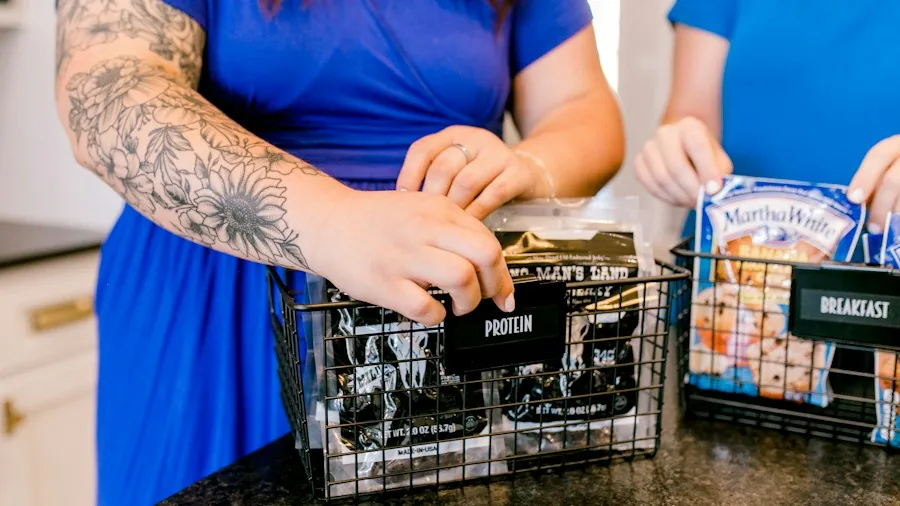
As you declutter, use a temporary basket or bin to collect items as you work through your space. This prevents decision paralysis and keeps the process moving. Sort items into categories: toss, recycle, donate, relocate to other rooms, or items you’re still deciding about. Using affordable organizers on your counter can help maintain the progress you’ve made while you work through other areas.
7. Address Special Items and Categories
Holiday-themed serving pieces, specialty dishes, and wine bottles you’re not sure about need special attention. If you hosted an event and didn’t use certain serving pieces, they’re unlikely to be used next time. Bottles of liquor that sit untouched indefinitely take up cabinet space without serving your household. Be realistic about sentimental items and mystery objects you can’t remember how to use. If something doesn’t add value or joy to your daily kitchen life, it’s taking up space you could use for items that matter.
Decluttering your kitchen creates a space that functions better, looks cleaner, and supports your cooking and entertaining goals. By following this systematic approach and working through one area at a time, you’ll build a kitchen that truly works for your lifestyle. The key is consistency and honesty about what you actually need and use regularly.





