
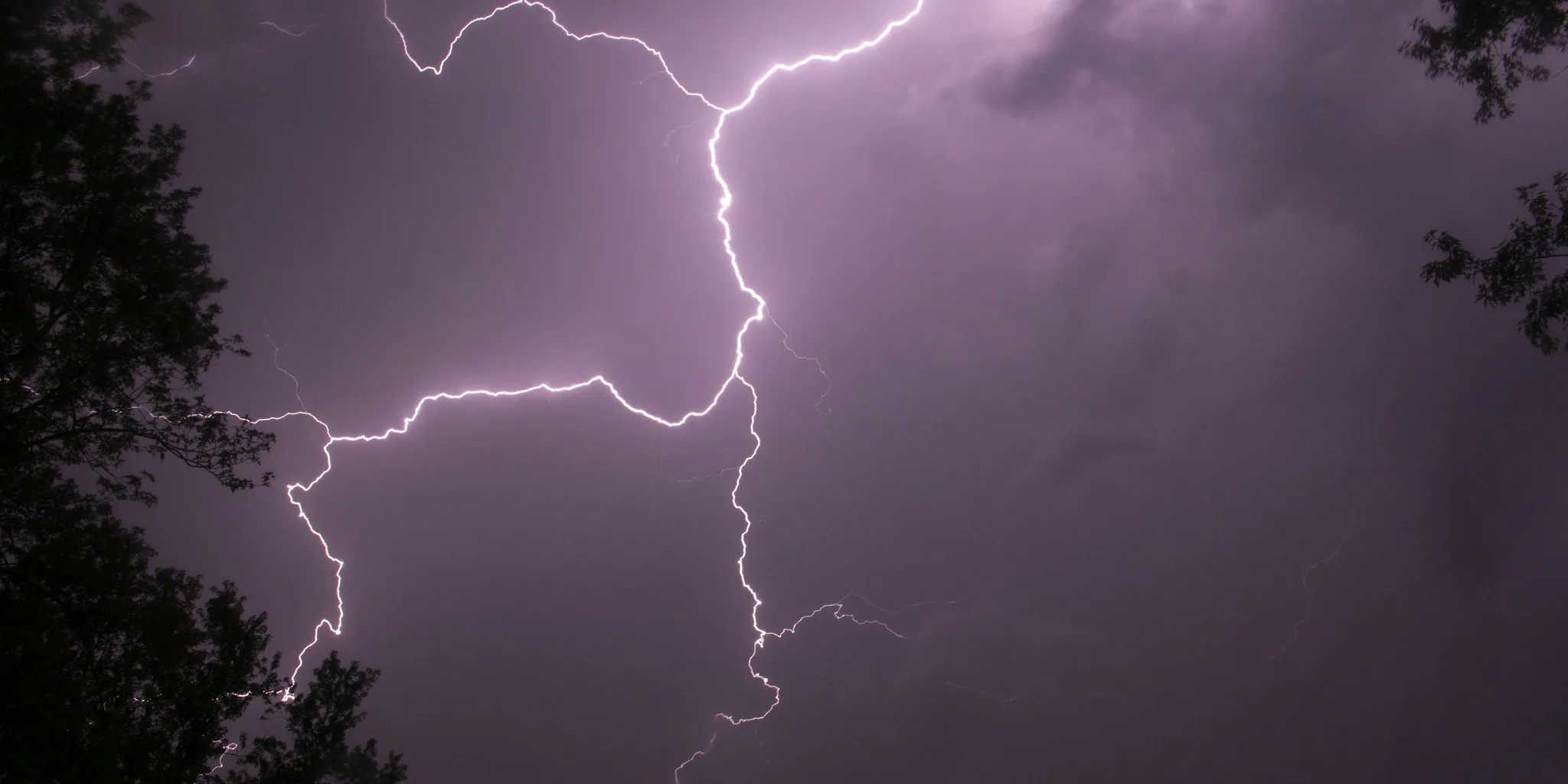

Thunderstorms and Your Toilet: A Genuine Safety Concern
Thunderstorms bring dramatic skies and noise, but they also carry real electrical hazards that many homeowners overlook. One activity that seems completely routine, using the toilet, actually poses a legitimate risk during active lightning. Understanding this danger helps you make informed decisions about your home safety and plumbing fixtures during severe weather.
Why Lightning and Plumbing Don’t Mix
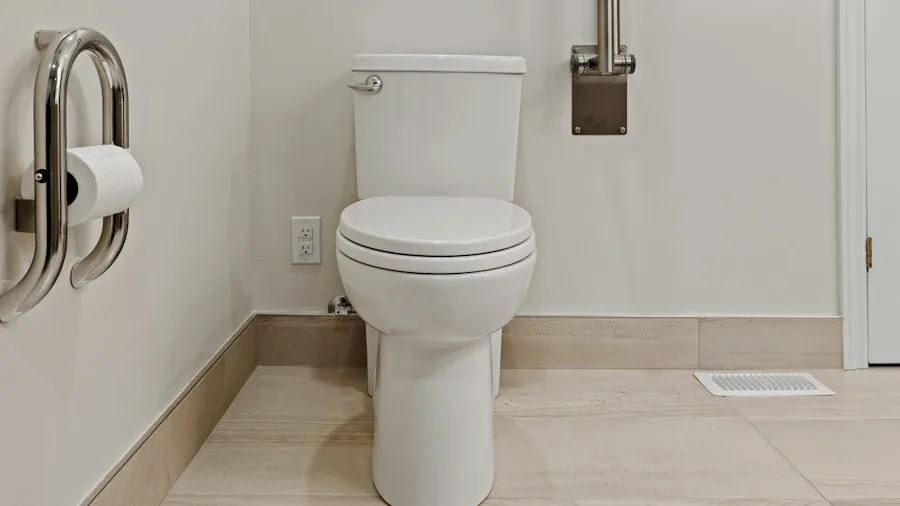
When lightning strikes your home or nearby utility lines, the electrical current travels through conductive materials, including metal pipes. Your toilet contains several metal components, such as copper fittings and internal flushing mechanisms, that directly connect to your water supply. Since water itself is an excellent conductor of electricity, a high-voltage surge can travel through your plumbing system and reach you while you’re sitting on the toilet. The result can be severe electrical shock, potentially causing burns or serious injury.
The good news is that this scenario remains extremely rare. Health data shows that overall lightning strike odds fall below one in a million, and indoor incidents represent only about a third of all strikes. Still, the possibility exists, and taking basic precautions costs nothing.
Planning Ahead Prevents Problems
The simplest strategy is advance planning. Before a storm arrives, use your toilet while conditions are still safe. Most severe thunderstorms last approximately 30 minutes, making it practical to use facilities beforehand and then wait out the storm indoors. If you notice threatening weather developing, answer nature’s call before the lightning starts, rather than gambling during an active electrical event.
This approach eliminates the risk entirely without requiring any special knowledge or equipment. It’s the same logic used for other weather precautions: you wouldn’t step outside to fix a roof during a lightning storm, so why use indoor plumbing when electricity is actively traveling through the sky above your home?
If You Must Use the Toilet During a Storm
If you absolutely cannot wait until the storm passes, several steps reduce your risk significantly. First, use the toilet but skip flushing until after the electrical danger subsides. The porcelain bowl itself is an electrical insulator and poses minimal risk, but the metal flushing handle and internal mechanisms connect directly to water supply lines. By avoiding the flush, you eliminate contact with those conductive metal components.
Second, skip running water entirely for hand washing. Instead, use an alcohol-based hand sanitizer to clean your hands without touching any running water or metal faucets. This simple switch removes your contact with potentially charged water and conductive plumbing fixtures.
How Your Home’s Plumbing Affects Risk
The age and material of your home’s plumbing system matters. Newer homes with modern PVC plastic pipes carry significantly lower risk than older homes with all-copper or galvanized steel plumbing systems. That said, even water flowing inside plastic pipes can still carry an electrical charge if lightning has struck the system. No plumbing material offers complete protection.
If you’re concerned about plumbing safety during storms, checking your home’s plumbing type gives you baseline knowledge. Older copper or steel systems warrant extra caution, while modern PVC systems reduce but don’t eliminate the risk. For more information on maintaining safe bathroom fixtures, explore how regular toilet cleaning protects your bathroom health.
Other Plumbing Hazards During Thunderstorms

Toilet use isn’t the only plumbing activity to avoid. Showering during a thunderstorm carries the same risks, since running water and metal pipes create electrical conduction pathways. Similarly, washing your hands with running water exposes you to these hazards. Once lightning passes, it becomes safe to resume normal bathroom activities with your regular hand soap and water.
Understanding these risks helps you establish a household routine: when you see lightning or hear thunder, temporarily avoid all running water and unnecessary plumbing contact until the electrical hazard passes. For creative projects that don’t require running water, you might even check out how to build a simple toilet paper holder during stormy days when you’re waiting indoors.
Staying Safe Is Simpler Than You Think
Protecting yourself during thunderstorms requires no expensive equipment or complex systems. The most effective strategy is timing: use your toilet before the storm arrives. If that’s impossible, skip flushing and use hand sanitizer instead of running water. Once the lightning ends, normal bathroom activities resume safely. By following these straightforward steps, you eliminate virtually all risk from this rare but genuine hazard.





